
Last updated September 10, 2026
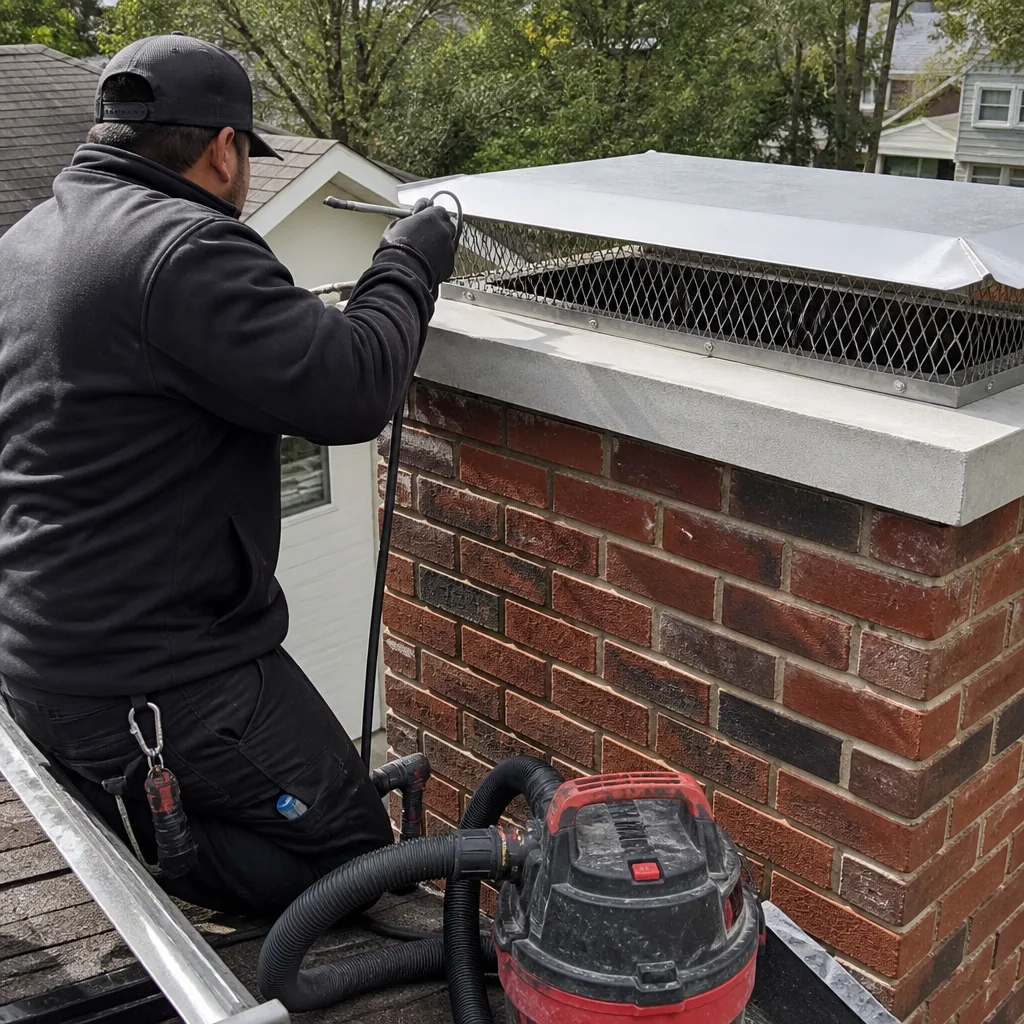
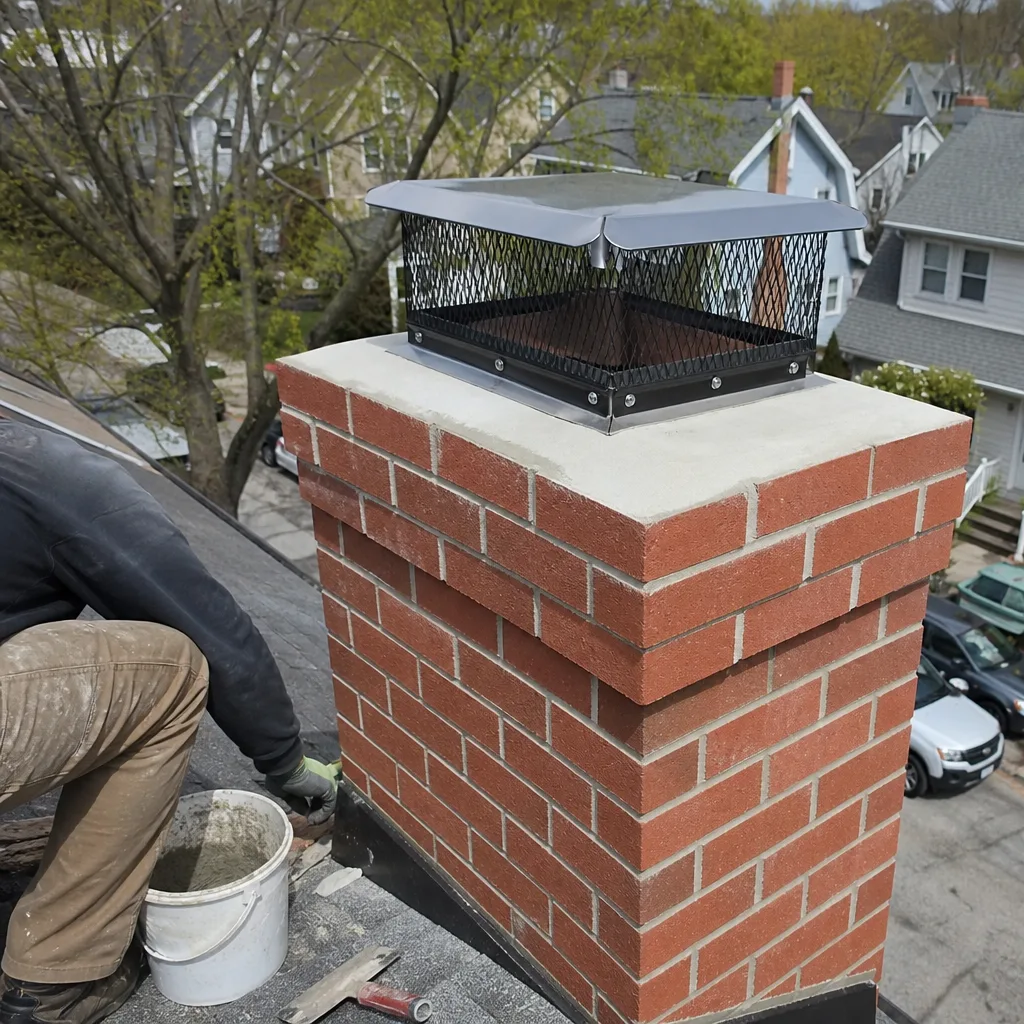
Level 1 sweep and inspection to the NFPA 211 annual standard - flue, crown, cap, and flashing checked and photographed
Chimney sweep logs do not sweep chimneys. They loosen some creosote - which then falls where a brush and vacuum still have to collect it.
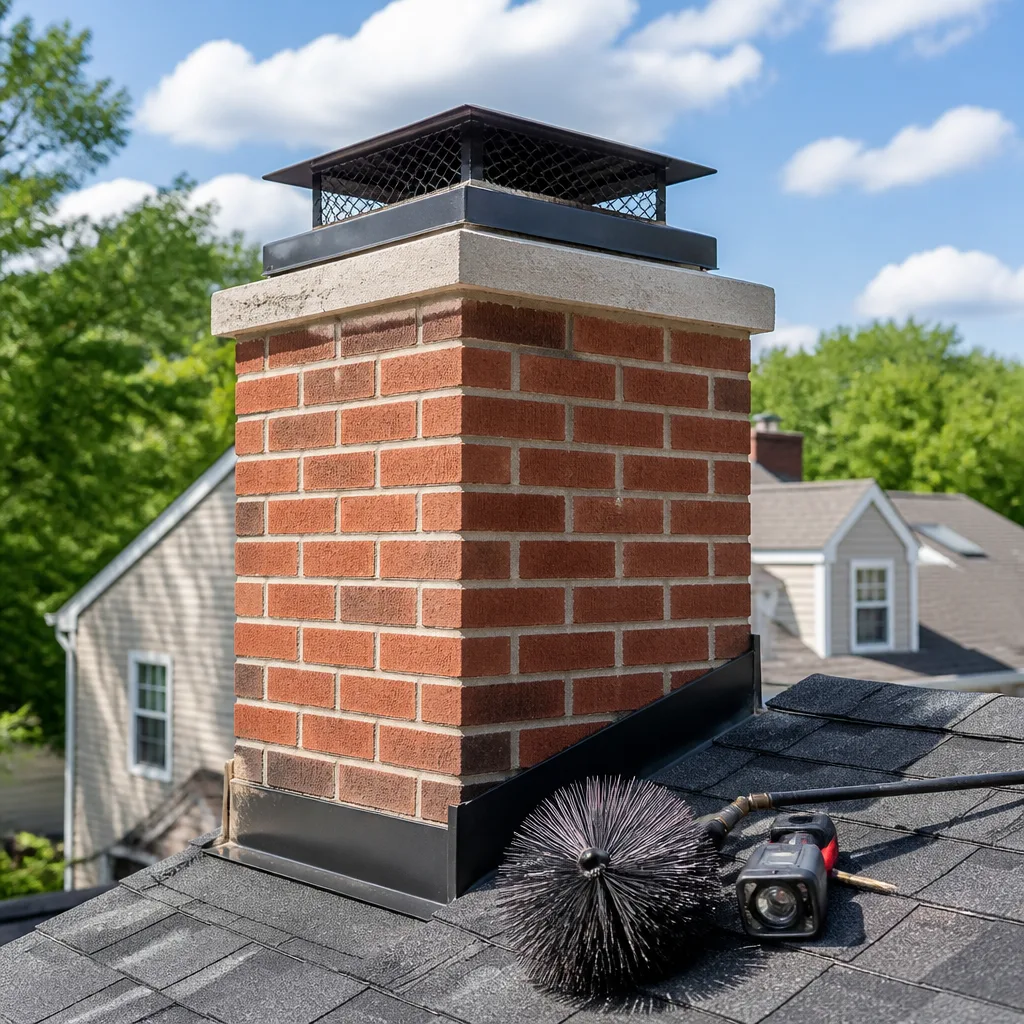
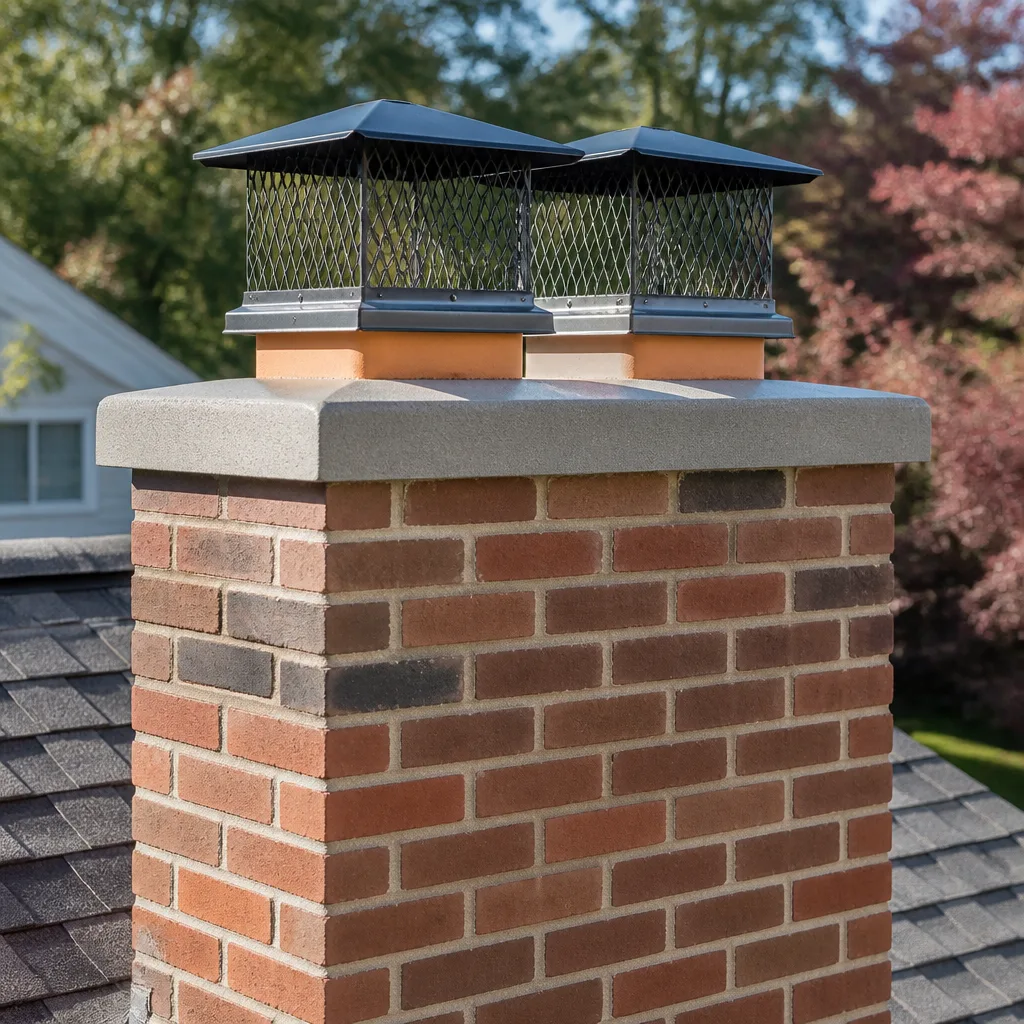
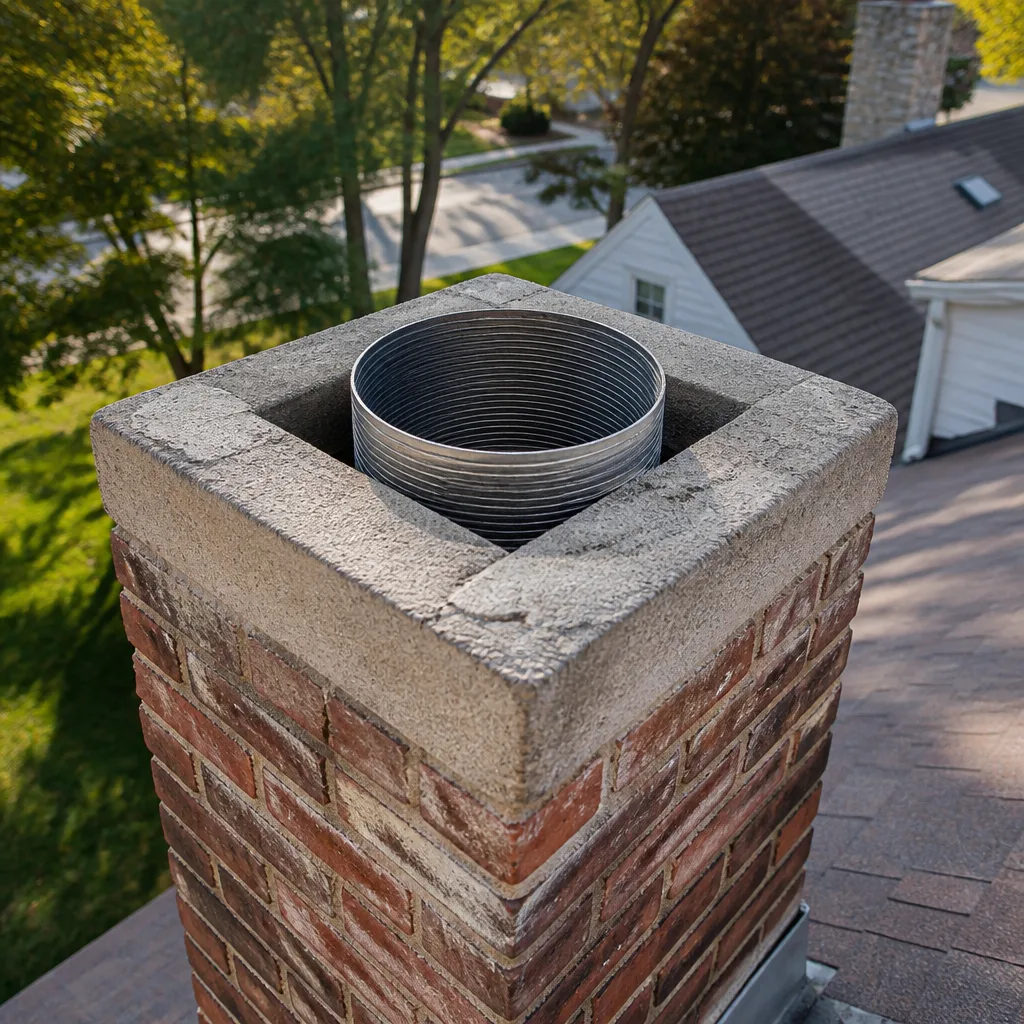
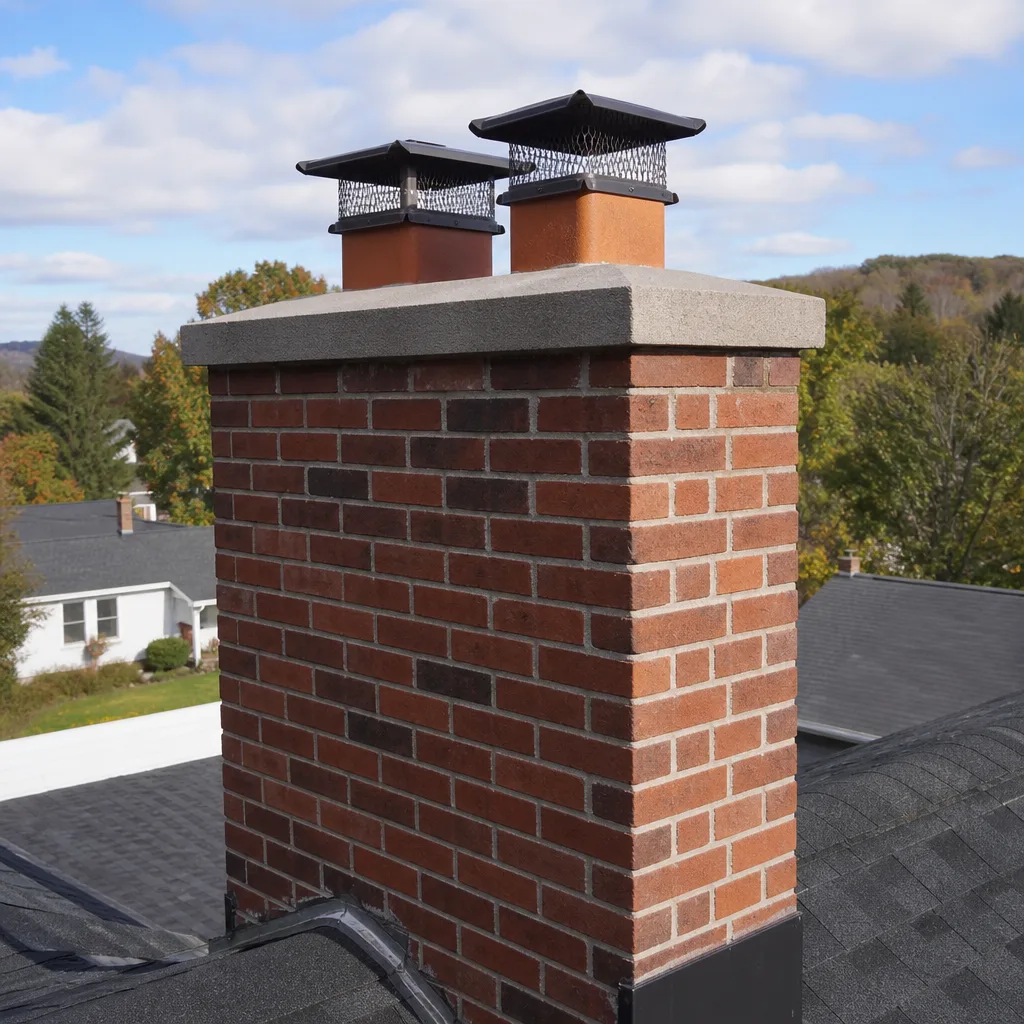
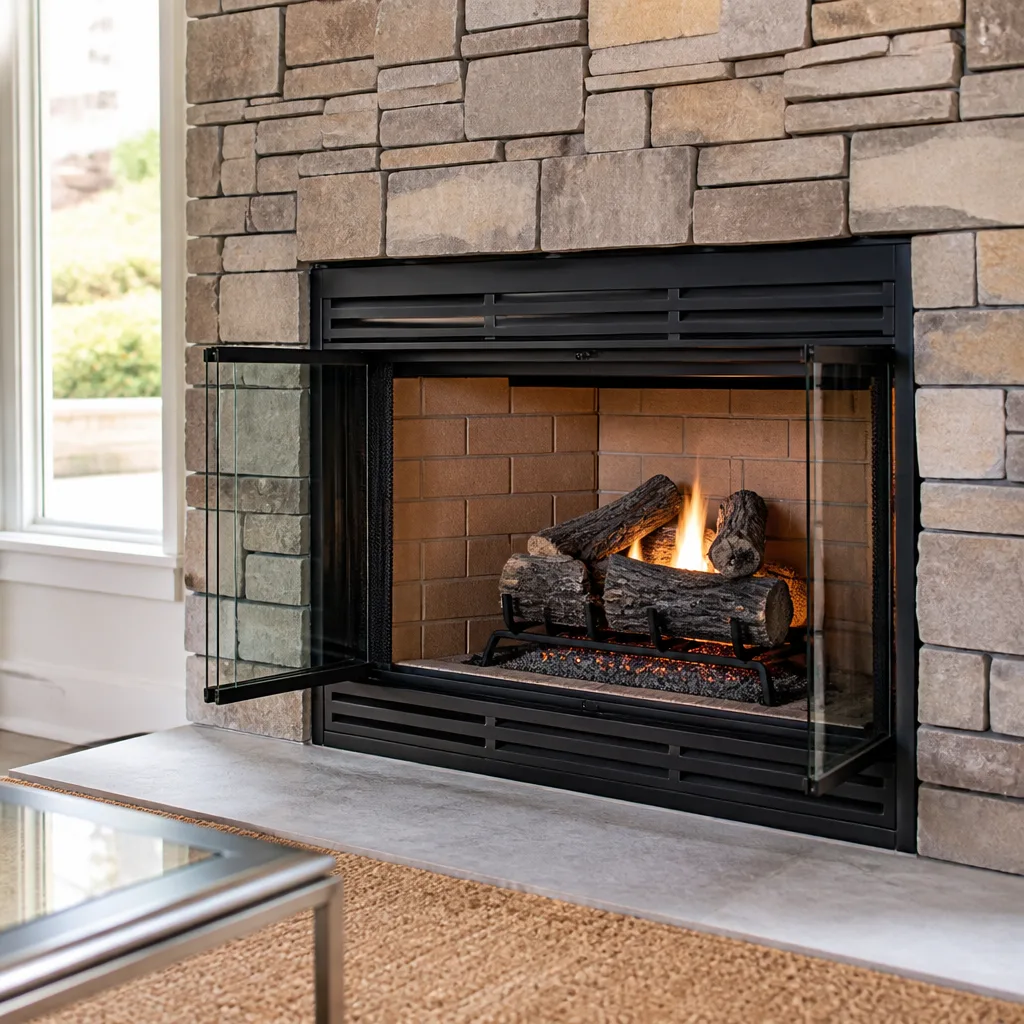
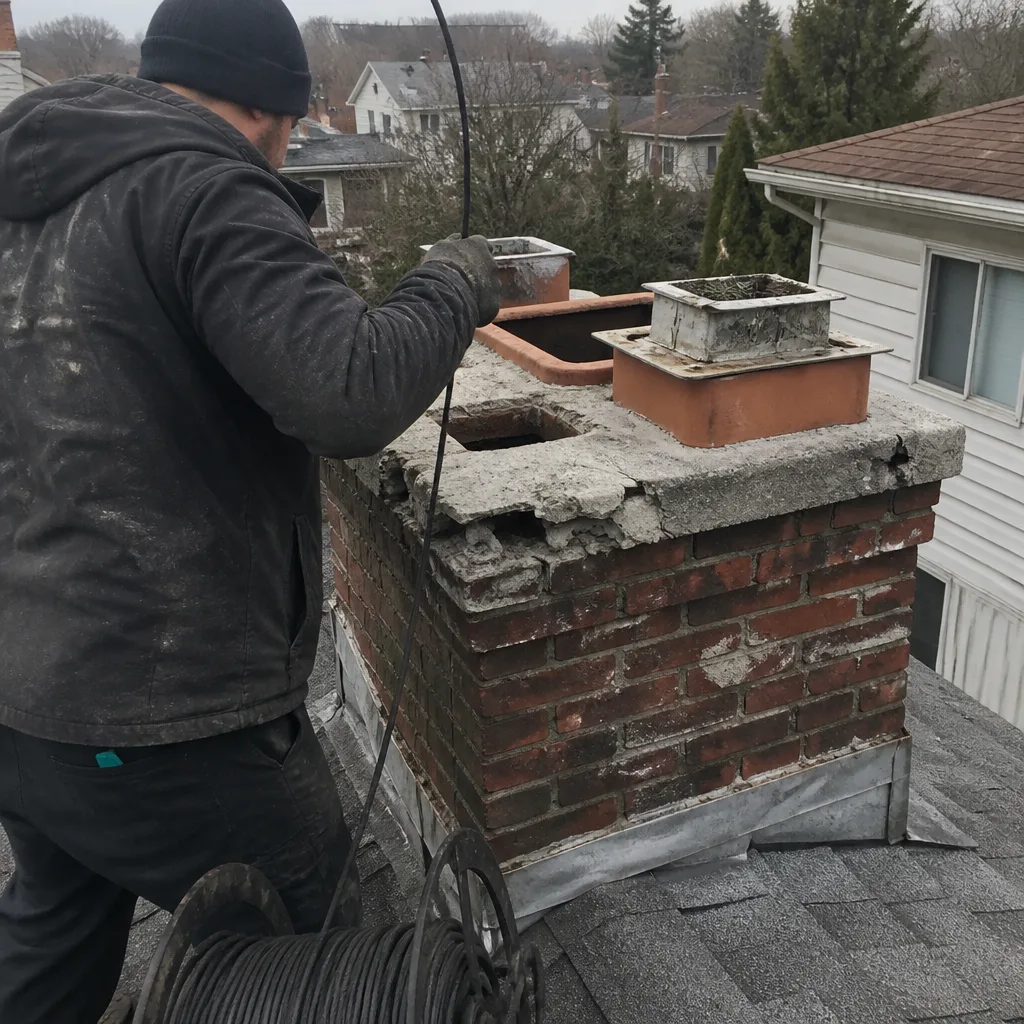 Before
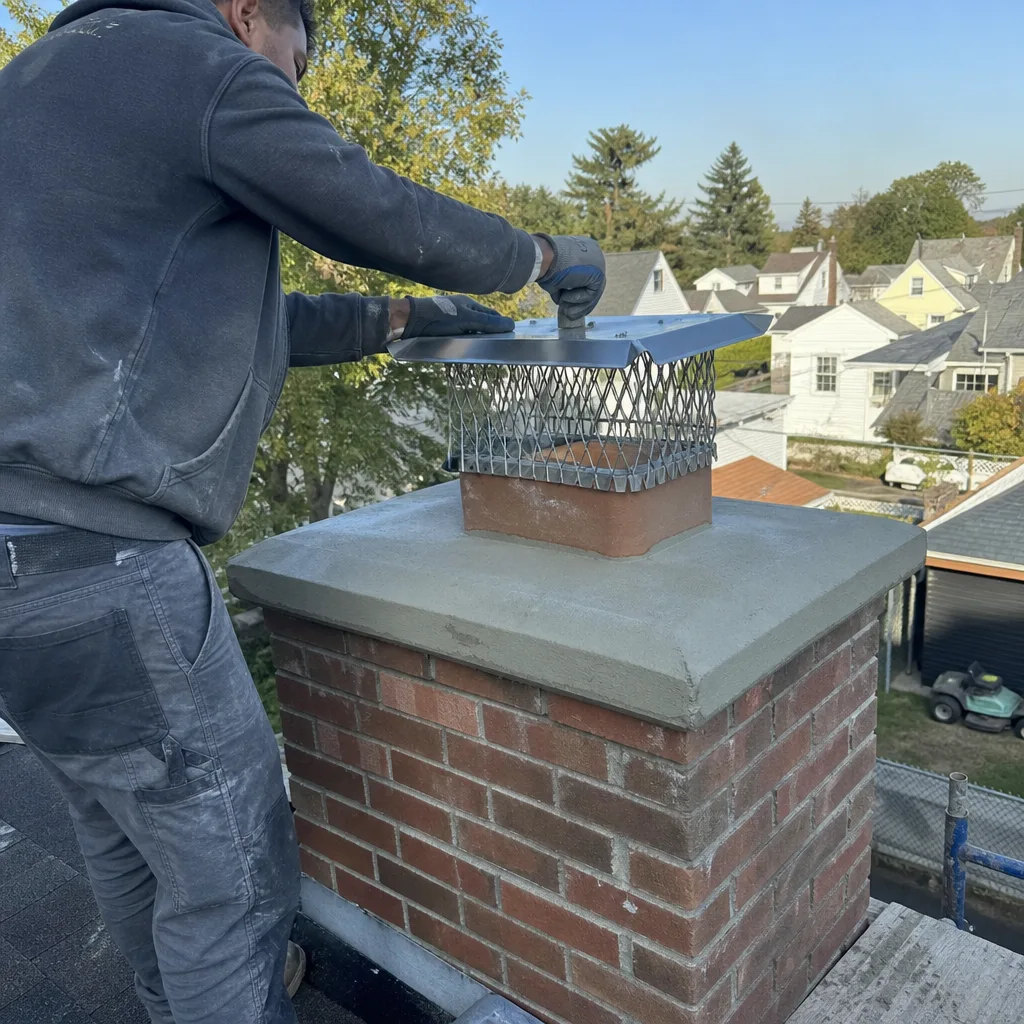 After
After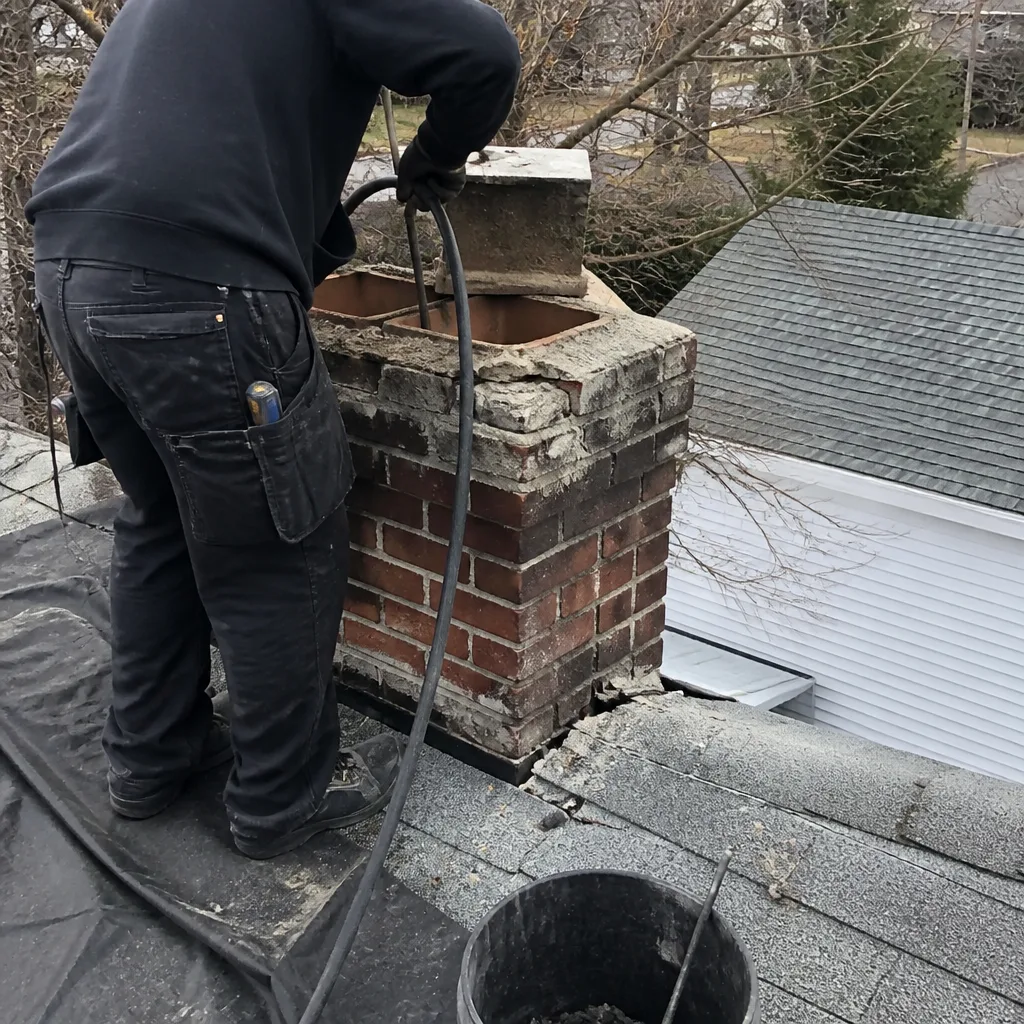 Before
 After
After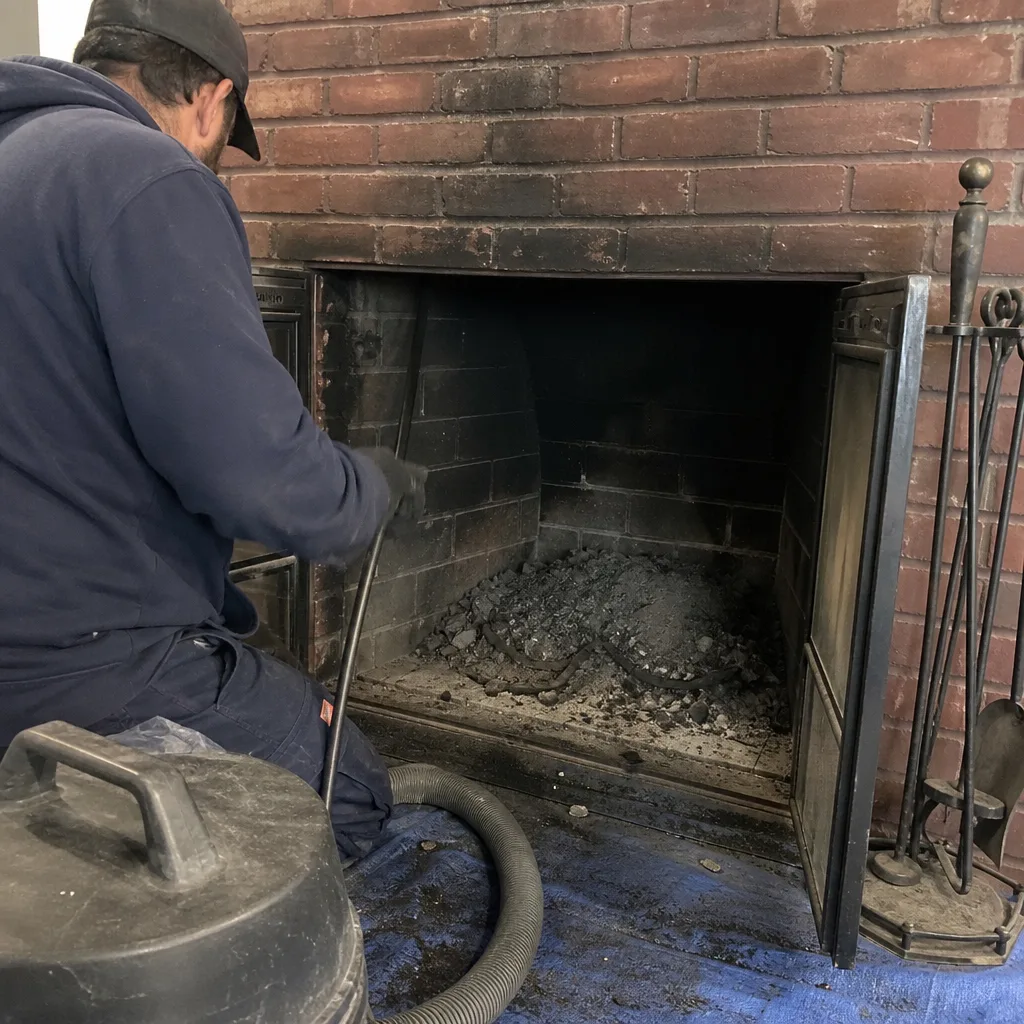 Before
 After
AfterThe Complete Guide to Chimney Cleaning in Flushing
The CSIA estimates that 25% of house fires involve the chimney - but the majority are preventable with a cleaning that takes less than two hours and costs less than a car repair. In Flushing, where pre-1960 brick homes sit shoulder-to-shoulder and heating systems have cycled through coal, oil, and gas over the decades, the chimney in your wall has a history you probably don’t know. This guide walks through exactly what happens inside a Queens chimney from the first fire of fall to the last ember of winter, and points you to more guides & resources for ongoing maintenance. Know what a sweep is actually doing and why, and you’ll never be oversold a service you don’t need.
Quick Answer
Professional chimney cleaning in Flushing typically costs between $175 and $325 for a standard sweep with Level-1 inspection, and $275 to $450 when a Level-2 camera inspection is needed for older homes or real estate transactions. The process removes creosote buildup, checks for structural damage, and verifies proper draft function - work that should take 60 to 90 minutes for a routine cleaning and up to two hours when camera documentation is included. Most Flushing homeowners with active fireplaces or wood-burning stoves need this service annually before the heating season begins; see our Seasonal Chimney Cleaning Care for Flushing: Year-Round Homeowner’s Guide for timing details.
Table of Contents
- Why Flushing Chimneys Are Different
- The Three Levels of NFPA 211 Inspection
- What a Legitimate Chimney Cleaning Includes, Step by Step
- Oil-to-Gas Conversions and Your Chimney Liner
- How to Read a Post-Cleaning Report
- What Chimney Cleaning Costs in Flushing
- Common Mistakes to Avoid
- When to Call a Professional
- Frequently Asked Questions
Why Flushing Chimneys Are Different
Flushing sits on the north shore of Long Island, built on a glacial till that shifts and settles differently than the bedrock of Manhattan or the sandy plains of south Queens. That geology matters less than the housing stock, which is among the oldest and densest in the borough. Walk down Sanford Avenue or Parsons Boulevard and you’ll see brick row houses from the 1920s, Tudor revivals from the 1930s, and post-war brick apartment buildings - all with chimneys that have been breathing Queens air for 60 to 100 years.
This age and density creates problems suburban sweeps rarely see. Narrow flues built for coal or oil often got retrofitted for gas without proper resizing. Shared walls mean your chimney may be party-lined with a neighbor’s, creating draft interference. The urban heat island effect keeps Flushing slightly warmer than surrounding areas, but winter inversions still trap moisture - freeze-thaw cycles that spall brick and deteriorate mortar joints from October through April.
In our experience, Flushing chimneys show three distinct patterns:
- Creosote glazing from damp wood. Homeowners in dense neighborhoods often store firewood in basements or against exterior walls where it doesn’t dry properly. Burning wood at 20% moisture or higher produces thick, tar-like glazed creosote that standard brushes won’t remove.
- Tile liner displacement in pre-1960 construction. Clay flue tiles in older Flushing homes were set with lime mortar that degrades faster than Portland cement. We’ve found shifted tiles blocking 30% or more of the flue cross-section in homes north of Roosevelt Avenue.
- Corrosion from prior oil service. Sulfuric acid condensate from oil combustion eats stainless steel liners unevenly. A chimney converted to gas may have a liner that looks intact from the top but is paper-thin at the smoke shelf.
These aren’t theoretical concerns. In 2019, a house fire on 149th Street started when glazed creosote ignited in a flue that hadn’t been inspected since the previous owner converted from oil to gas in 2007. The homeowner didn’t know the liner was rated for oil, not gas, and had corroded through at the thimble connection.
The chimney cleaning and sweep process in Flushing has to account for this heritage. A sweep who treats your 1925 brick chimney like a new construction flue in Nassau County is going to miss something.
The Three Levels of NFPA 211 Inspection
Before any brush touches your flue, someone needs to determine what kind of inspection your chimney requires - a decision covered in our DIY vs Professional Chimney Cleaning: The Flushing Homeowner’s Decision Guide. The National Fire Protection Association defines three levels in NFPA 211, and understanding which one applies to your situation prevents both dangerous shortcuts and unnecessary upsells.
Level 1: The Routine Annual Inspection
This is the baseline - what’s included with a standard sweep when your appliance and chimney haven’t changed and you’re continuing normal use. The technician examines readily accessible portions of the chimney exterior, interior, and connecting appliances. No tools are used to open or remove components. For a Flushing homeowner who’s been burning the same seasoned hardwood in the same fireplace for years with no changes, this is usually sufficient.
What Level-1 covers in practice:
- Visual check of the firebox for cracks, missing mortar, or damaged bricks
- Examination of the damper assembly for proper operation and corrosion
- Inspection of the smoke chamber and flue from below (with a flashlight, not a camera)
- Assessment of the chimney exterior for structural integrity, missing mortar, or leaning
- Verification of clearance to combustibles where visible
- Basic draft test to confirm proper venting
What it does not cover: the interior flue liner condition above the smoke shelf, hidden deterioration in masonry, or verification that the flue is properly sized for the appliance.
Level 2: The Camera Inspection
Required when any change is made to the system - new appliance, new liner, change of fuel type - or upon sale or transfer of the property. Also mandated after chimney fire, lightning strike, or seismic event. This is where a chimney camera becomes essential.
The technician runs a high-resolution camera up the full length of the flue, documenting every joint, every crack, every area of spalling or glazing. In Flushing, we recommend Level-2 for any home built before 1960, any oil-to-gas conversion, and any property transaction. The camera reveals what eyes cannot.
Our Level-2 inspections end with photos the homeowner can see and a plain-English verdict. Documented like an engineer, explained like a craftsman. No guesswork, no surprises.
Level 3: The Invasive Inspection
Rarely needed - this involves removing components (drywall, chimney crown, interior masonry) to access concealed areas. Ordered only when Level-1 or Level-2 indicates a serious hazard that cannot be fully evaluated otherwise. If a sweep recommends Level-3, ask specifically what hazard was found and why it cannot be addressed with less invasive methods.
The key point: a legitimate sweep in Flushing should explain which level applies to your situation and why, before starting work. Anyone who begins cleaning without determining the appropriate inspection level is skipping a fundamental safety step.
What a Legitimate Chimney Cleaning Includes, Step by Step
Homeowners often don’t know what to expect, which makes it easy for disreputable operators to cut corners. Here’s what proper chimney cleaning looks like from arrival to departure, based on how our technicians work in Flushing homes, with guidance drawn from our How to Hire a Chimney Cleaning Contractor in Flushing: A Step-by-Step Guide.
Preparation and Protection (10-15 minutes)
- Floor and furniture protection. Drop cloths extend from the hearth across at least 8 feet of flooring in every direction. Heavy canvas, not thin plastic. If the flue requires roof access, a ground tarp protects landscaping and walkways.
- Tool staging. Brushes, rods, vacuum, and inspection equipment are laid out on a secondary cloth. Nothing rests directly on your floors or furniture.
- Preliminary conversation. The technician confirms what appliances connect to the chimney, any recent changes, and any symptoms you’ve noticed (smoke backup, odors, draft issues). This isn’t small talk - it determines how the cleaning proceeds.
The Cleaning Process (45-75 minutes)
- Firebox and smoke chamber cleaning. Ash and debris are removed first. The smoke chamber - the area above the damper that funnels smoke into the flue - is scraped of creosote buildup using hand tools. This area is often neglected by rushed sweeps because it’s awkward to reach.
- Flue brushing. Poly or wire brushes sized to your flue diameter are attached to flexible rods and driven the full length of the chimney. The brush should be tight enough to scrape the flue walls but not so aggressive it damages clay tiles. For glazed creosote, chemical treatment may be applied first and the sweep scheduled after a 1-2 week waiting period.
- Debris removal. A high-efficiency HEPA vacuum captures falling soot and creosote. The technician works from below while the brush works from above, or vice versa depending on access. At no point should soot be drifting into your living space.
- Smoke shelf and damper cleaning. The smoke shelf - the flat area behind the damper - collects the most concentrated debris. It’s scraped clean and vacuumed. The damper is removed if possible, cleaned of corrosion and creosote, lubricated, and reinstalled.
Verification and Documentation (15-30 minutes)
- Post-cleaning camera inspection. For Level-2 work, the camera is run again to verify all creosote has been removed and no damage was revealed by the cleaning process. Photos are saved to your report.
- Draft test. A smoke pencil or digital manometer confirms proper draft under operating conditions.
- Written report. You receive documentation of what was found, what was done, and any recommendations with photos supporting each finding.
- Site restoration. Drop cloths are folded inward to contain debris, tools are packed, and the work area is left as found.
A complete cleaning cannot be done in 20 minutes. In Flushing’s older chimneys, we regularly find that a thorough job takes 90 minutes to two hours, especially when glazed creosote or tile displacement is present. Anyone promising a “10-minute sweep” is not doing the work.
Oil-to-Gas Conversions and Your Chimney Liner
Between the 1970s and 1990s, thousands of Flushing homeowners converted from oil to gas heating, often with minimal chimney modification. The utility company or HVAC contractor handled the appliance; the chimney was assumed to be “fine.” It often wasn’t.
Oil combustion produces sulfur dioxide, which combines with moisture to form sulfuric acid. This acid condenses on the cooler upper portions of the flue, attacking clay tiles and corroding stainless steel liners designed for oil service. Gas combustion produces more water vapor and less heat - the flue stays cooler, condensation increases, and any existing damage accelerates.
The critical issue: oil-rated liners and gas-rated liners are different products. An oil-rated stainless liner (typically 316 alloy) may fail quickly in gas service because the corrosion patterns differ. Gas-rated liners (often 304 or AL29-4C alloy) are formulated for the wetter, cooler environment of gas combustion.
We’ve inspected Flushing chimneys where the original oil-rated liner was left in place during conversion, corroded through at multiple points, and was venting carbon monoxide into the masonry cavity. The homeowner had no symptoms because the leak was small and the draft carried most gases upward. But the condition was a chimney fire or CO event waiting to happen.
Signs your converted chimney needs evaluation:
- White or orange staining on exterior brick below the roofline (acid condensate weeping through mortar)
- Spalling brick or deteriorated mortar joints, especially on the north-facing side
- Water in the cleanout or basement chimney base
- Rust stains around the thimble where the heating appliance connects
- Any history of conversion without documented chimney inspection
Proper liner replacement for gas service uses materials rated for the application. We specify DuraFlex liners for their gas-specific alloys and joint integrity, and HeatShield cerfractory resurfacing where clay tiles are sound but joints need sealing. The right material for the right application - no substitutes.
If your Flushing home was converted from oil to gas and you don’t have documentation of liner replacement, a Level-2 inspection is not optional. It’s due diligence.
How to Read a Post-Cleaning Report
A legitimate sweep gives you written documentation. Not a carbon-copy checklist, not a verbal summary - a report with photos, findings, and clear recommendations. Here’s how to evaluate what you’re handed.
Photo documentation. Every significant finding should have a corresponding image. The photo should be dated, oriented (showing which direction the camera faces), and in focus. Blurry photos or missing images for critical findings are a red flag. In our reports, you’ll see the flue joint at 12 feet, the smoke chamber from below, the exterior crown from the roof - each labeled and explained.
Condition ratings. Look for clear categories, not vague language. We rate each component: Satisfactory, Monitor, Repair Recommended, or Safety Hazard. “Monitor” means the condition is acceptable now but should be checked next year. “Repair Recommended” means the issue will worsen and should be scheduled. “Safety Hazard” means the chimney should not be used until repaired.
Specific measurements. Crack widths in 32nds of an inch. Creosote thickness in inches. Clearance distances in actual measured feet and inches. Generic statements like “some cracking” or “minor buildup” mean nothing. A report should read like a survey, not a poem.
Prioritized recommendations. Not everything needs to be done immediately. A good report separates urgent safety issues from maintenance that can be scheduled, and from improvements that are optional. If every finding is labeled urgent, the sweep is selling, not informing.
Code references. Recommendations should cite specific standards - NFPA 211 for chimney construction, local building codes for clearances, manufacturer specifications for appliances. This allows you to verify, not just trust.
We encourage Flushing homeowners to get a second opinion on any written estimate that surprises them. Our free second opinion service exists because we’ve seen too many homeowners pressured into unnecessary liner replacements by inspectors who wouldn’t show them the photos.
What Chimney Cleaning Costs in Flushing
Pricing varies with chimney type, access difficulty, and inspection level. Here’s what we’ve observed in the Flushing market, based on our own service history and competitive awareness.
| Service | Typical Range | What’s Included |
|---|---|---|
| Standard sweep with Level-1 inspection | $175 - $325 | Firebox cleaning, flue brushing, debris removal, basic draft test, written condition summary |
| Level-2 inspection with camera | $275 - $450 | Everything in Level-1 plus full flue camera scan, photo documentation, detailed written report |
| Glazed creosote treatment and sweep | $350 - $550 | Chemical application visit, waiting period, return visit for complete removal, camera verification |
| Insert or stove cleaning | $225 - $375 | Appliance removal if possible, firebox and flue cleaning, reinstallation and gasket check |
| Chimney cap/crown inspection add-on | $75 - $150 | Roof-level examination of crown, cap, and flashing with photo documentation |
Factors that increase cost in Flushing specifically:
- Flat roof or limited roof access. Many Flushing row houses have parapet walls or built-up roofing that makes chimney top access difficult. Ladder work or scaffolding adds time.
- Multiple flues. Older homes often have separate flues for fireplace and heating appliance, each requiring independent cleaning.
- Blocked or animal-occupied flues. Raccoon, squirrel, or bird removal requires additional equipment and time, plus installation of proper screening.
- Heating season urgency. October through December sees highest demand; scheduling in September or January-February often improves availability.
Our pricing is agreed before work begins - no surprises on the bill. The $89 Seasonal Tune-Up covers basic Level-1 service for standard fireplaces during promotional periods. For repairs over $250, we offer $50 off with applicable promotion. Seniors and veterans receive 5% off all services, permanently.
Call (516) 206-6672 for an exact quote - estimates are free.
Common Mistakes to Avoid
- Hiring based on the lowest coupon price. A $99 sweep in Flushing often means a rushed job, no camera, no report, and a technician who finds $2,000 of “urgent” repairs once inside. The low price is the hook.
- Skipping inspection before the sweep. Cleaning a damaged flue can hide problems rather than reveal them. The inspection sequence matters: look first, clean second, verify last.
- Burning unseasoned wood. In Flushing’s humid climate, wood stored outdoors or in basements rarely dries below 25% moisture. Buy kiln-dried or store split wood in a ventilated, covered area for 12 months minimum.
- Ignoring the heating appliance flue. Many homeowners maintain the fireplace but never inspect the chimney serving their furnace or boiler. This flue works harder, runs cooler, and fails more quietly.
- Accepting verbal recommendations without photos. If a sweep says your liner is “shot” but won’t show you the image, get a second opinion. Our free second opinion service exists for exactly this situation.
- Assuming a gas fireplace needs no service. Ventless gas logs produce moisture and combustion byproducts that corrode the firebox and damper. Even “clean” gas appliances need annual inspection.
- Waiting for visible smoke problems. By the time smoke backs up into your living room, the problem is advanced. Annual prevention costs less than emergency response.
When to Call a Professional
Some situations don’t wait for the annual appointment. Call for immediate evaluation if you notice smoke entering the room during normal operation, a strong tar or creosote odor during hot weather, visible cracks in the firebox or exterior masonry, water dripping into the fireplace or cleanout, or any evidence of animals nesting in the flue.
After any chimney fire - even a small one that self-extinguished - a Level-2 inspection is mandatory before next use. The thermal shock can crack tiles, damage mortar, and compromise the liner in ways not visible from below.
If you’re buying a home in Flushing, schedule the chimney inspection during your due diligence period, not after closing. Pre-purchase camera inspections regularly reveal conditions that affect negotiation or purchase decisions.
Chimney repair in Flushing should follow inspection, not precede it. Anyone offering to “fix” what they haven’t properly diagnosed is guessing with your money.
Hearthstone Chimney Co. offers free estimates in Flushing - call (516) 206-6672. A live person answers every call, 24 hours a day, 7 days a week.
Frequently Asked Questions
A standard chimney sweep with Level-1 inspection in Flushing typically runs $175 to $325, while a Level-2 camera inspection ranges from $275 to $450 depending on flue accessibility and number of appliances served. Older homes with glazed creosote or multiple flues may fall at the higher end. Call (516) 206-6672 for an exact quote - estimates are free.
The NFPA recommends annual inspection for all chimneys, with cleaning frequency determined by use and fuel type. Wood-burning fireplaces used regularly need sweeping when creosote reaches 1/8 inch thickness, typically annually. Gas appliances need annual inspection but may require less frequent cleaning. In Flushing’s older housing stock, we recommend annual Level-1 inspection as a baseline, with Level-2 camera inspection every 3-5 years or upon any system change.
Not always. A liner needs replacement when it’s cracked, corroded, improperly sized for the appliance, or missing entirely - conditions documented by camera inspection, not assumed. We’ve seen Flushing chimneys with sound clay tiles that need only joint repair with HeatShield, and others where the oil-rated stainless liner has corroded through after gas conversion. The photos should show you exactly what condition exists and why replacement is or isn’t recommended. Nothing is recommended without camera evidence you can see for yourself.
Skipped maintenance leads to creosote accumulation, which restricts draft and provides fuel for chimney fires. A chimney fire can reach 2,000 degrees, cracking flue tiles and allowing fire to reach combustible framing. Slower deterioration includes acid condensate corrosion, mortar joint failure, and carbon monoxide leakage through compromised masonry. These conditions develop silently - the first symptom may be the emergency that reveals them. Call (516) 206-6672 to schedule before the heating season.
Homeowners can remove superficial ash and debris from the firebox, but flue cleaning requires proper brushes, rods, and vacuum equipment sized to your specific flue diameter. More importantly, without camera inspection you cannot evaluate liner condition, joint integrity, or hidden deterioration. In Flushing’s pre-1960 chimneys, we’ve found critical conditions that no brush would reveal. The safety risks of undiagnosed damage exceed any savings from DIY cleaning. This is work for a trained professional with proper documentation capability.
Cleaning removes combustible deposits and obstructions; inspection evaluates structural condition, clearance, and proper function. They’re related but distinct. A sweep without inspection is maintenance without diagnosis. An inspection without cleaning may miss conditions hidden by soot. Proper service includes both, in sequence: inspect, clean, verify. Our fireplace services in Flushing follow this protocol on every visit.
Check your heating appliance for a manufacturer plate indicating fuel type. Look for abandoned oil lines, fill pipes, or tank remnants in the basement. Review property records for permits - conversions after 1990 in New York City required filing. If you find evidence of conversion without documented chimney work, assume the liner was not properly evaluated and schedule Level-2 inspection. This is one of the most common hidden hazards we find in Flushing’s older housing stock.
The Bottom Line
Chimney cleaning in Flushing is not a commodity service - the age, density, and heating history of Queens housing demands specific expertise. Know the three inspection levels and which applies to your situation. Understand what proper cleaning includes so you can recognize shortcuts. Demand photo documentation and plain-English reporting for any recommendation. And if your home converted from oil to gas, verify the liner status before assuming the chimney is compatible.
The majority of chimney fires are preventable. The cleaning takes less than two hours. The cost is less than a car repair. Done right, with proper inspection and documentation, it’s maintenance you schedule once and don’t think about again until next year.
Done wrong, it’s a gamble with fire and carbon monoxide in a hundred-year-old brick flue shared with your neighbor’s bedroom wall.
At Hearthstone Chimney Co., we’ve been serving Flushing and surrounding communities for over 42 years. Our technicians are background-checked and uniformed. Most jobs are completed in a single visit. Pricing is agreed upfront - no surprises. Every job is backed by our 90-Day Done Right Promise: in writing, no arguing. If it’s not right, we come back. That’s the Keystone Standard - Krafted right, Every time, Your home first, Standing behind it.
Written by Russell Haines, Owner at Hearthstone Chimney Co., serving Flushing since 2014.