
Last updated September 10, 2026
Level 1 sweep and inspection to the NFPA 211 annual standard - flue, crown, cap, and flashing checked and photographed
Chimney sweep logs do not sweep chimneys. They loosen some creosote - which then falls where a brush and vacuum still have to collect it.
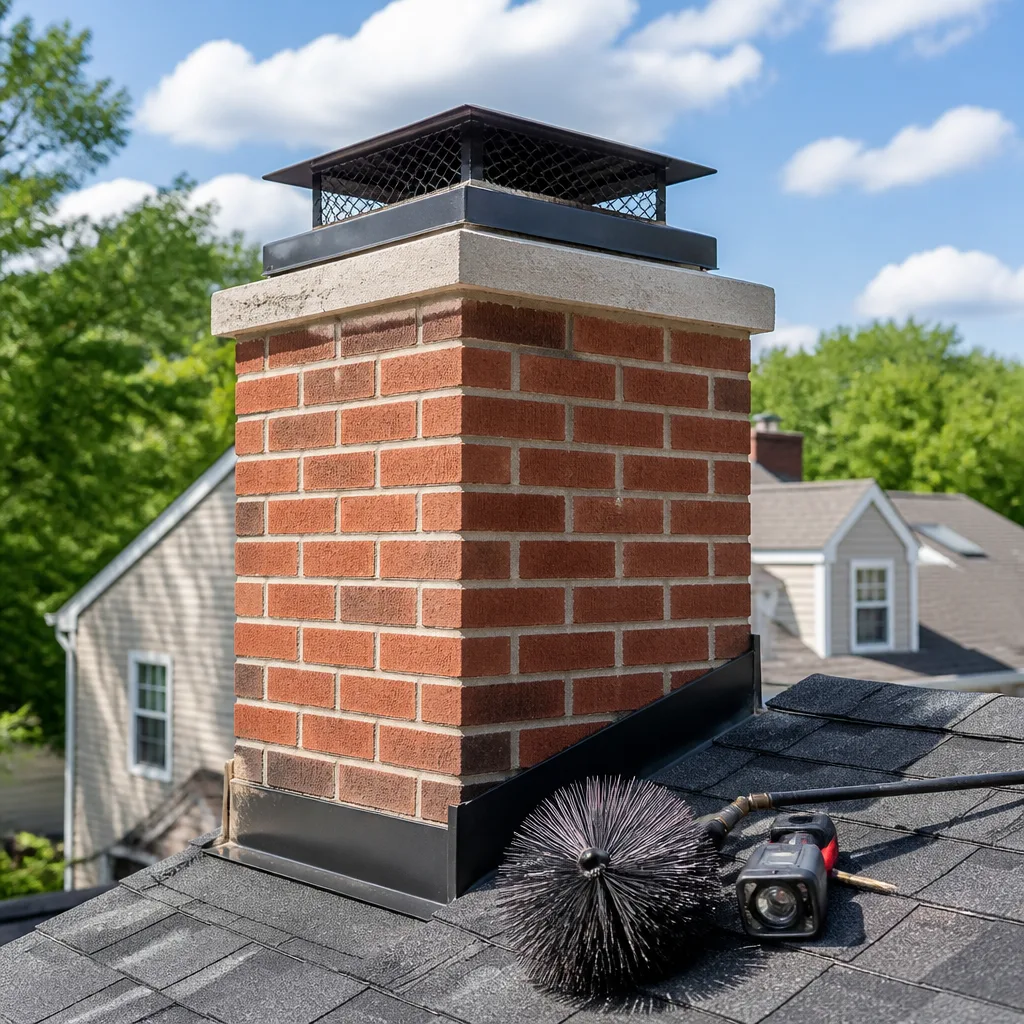
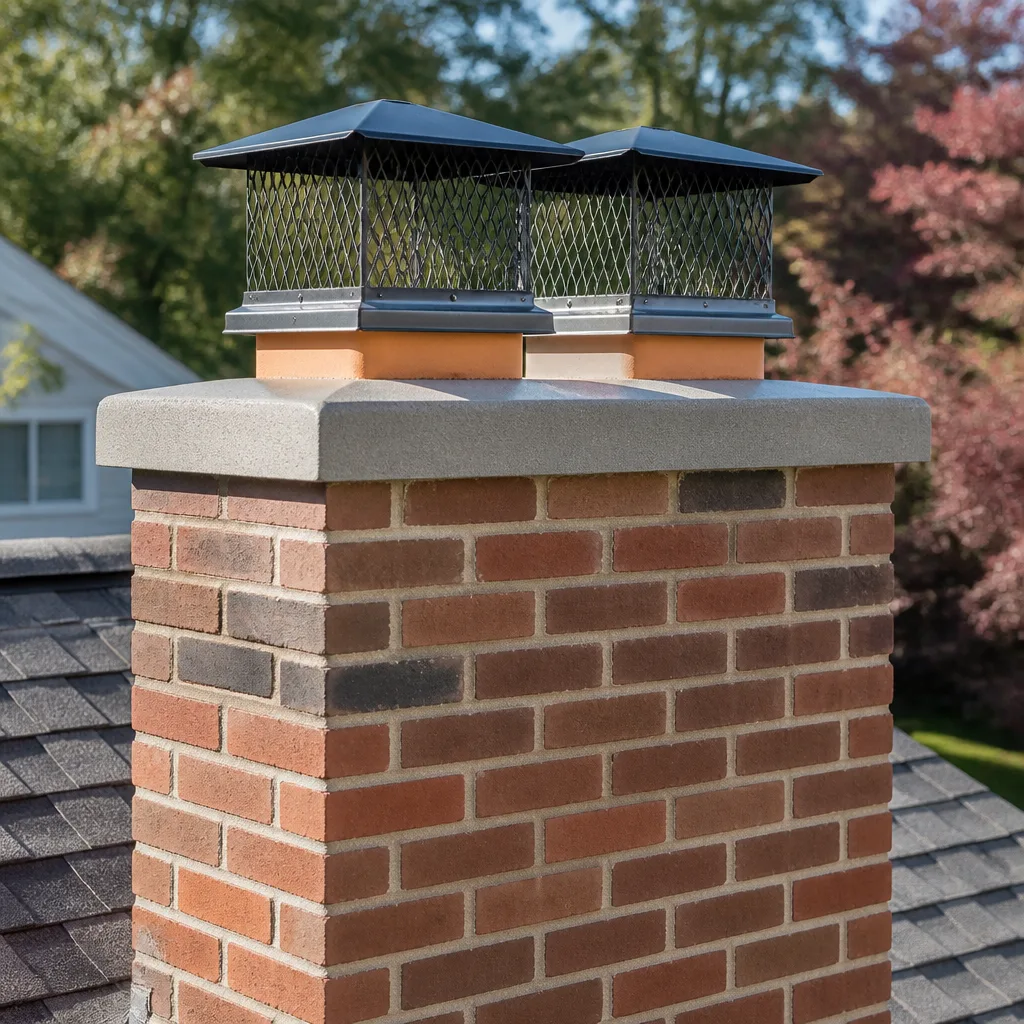
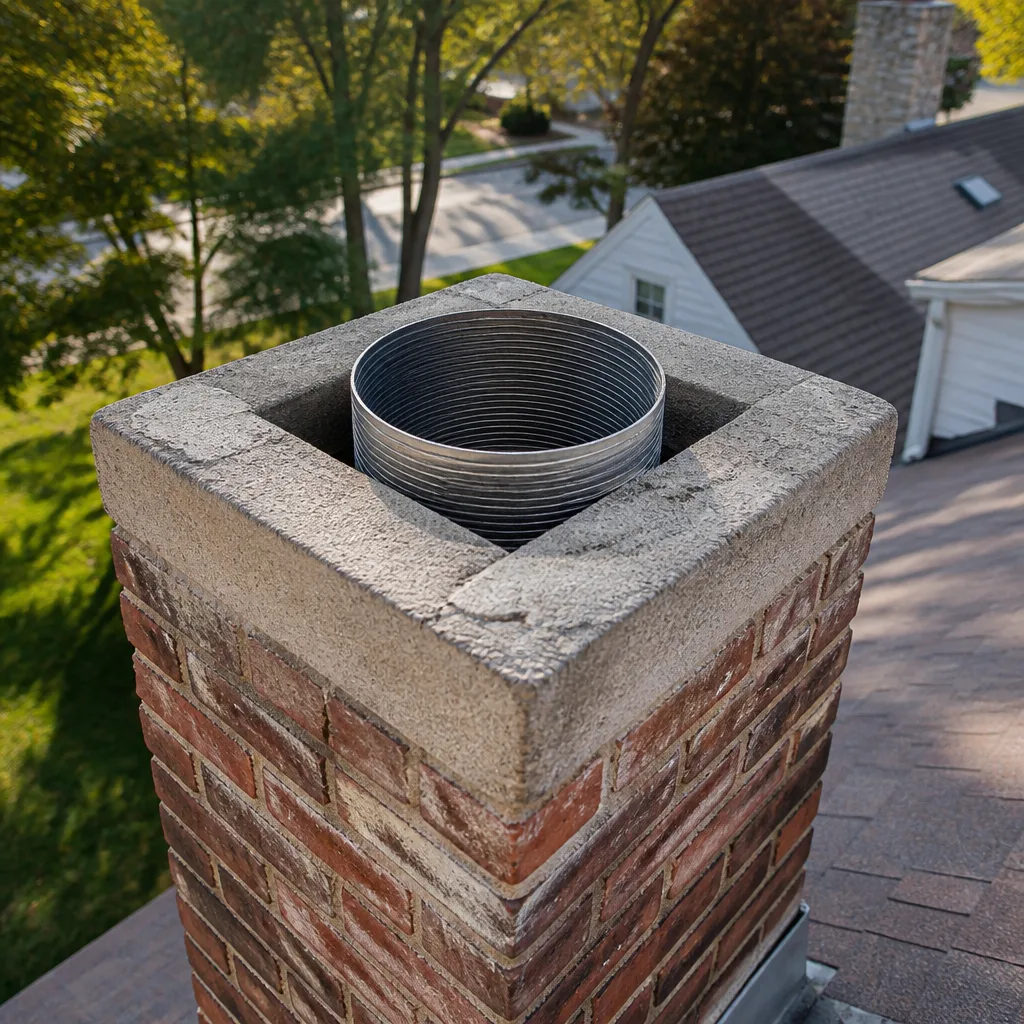
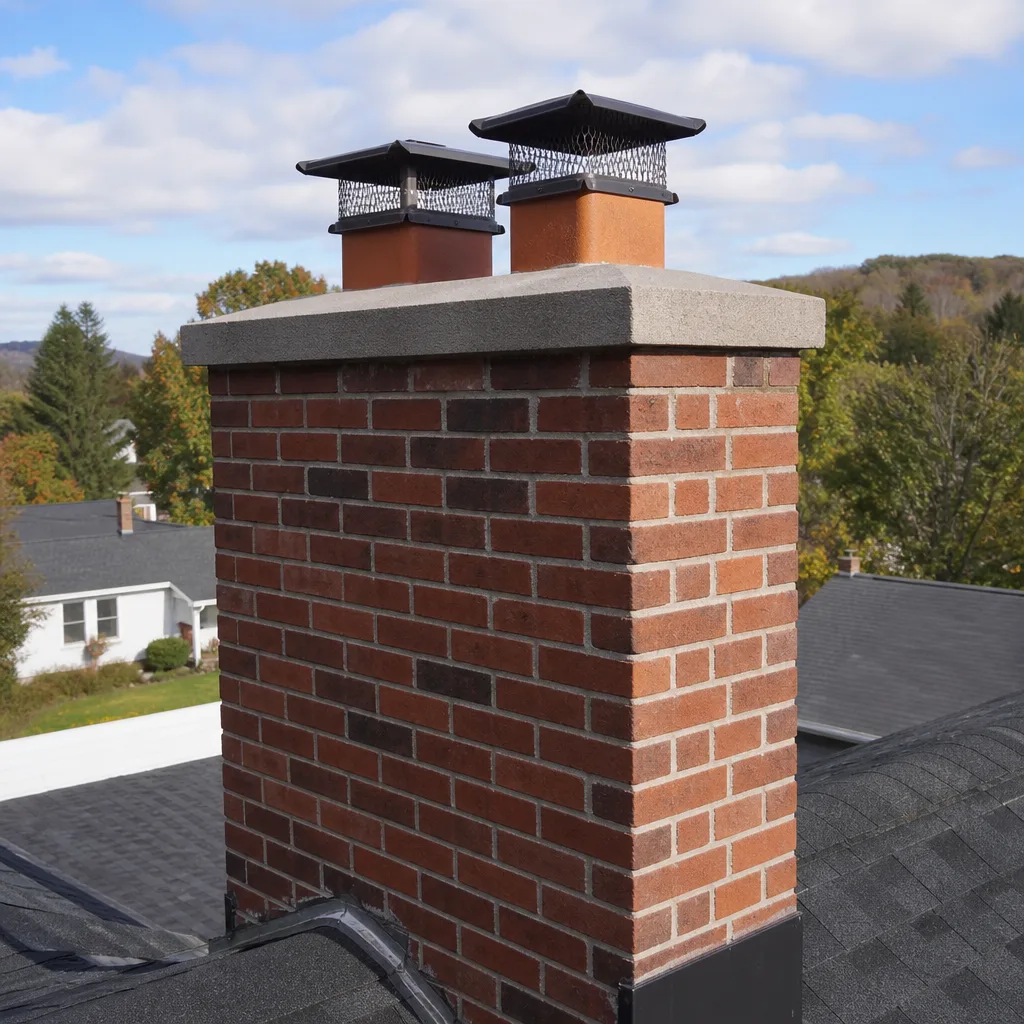
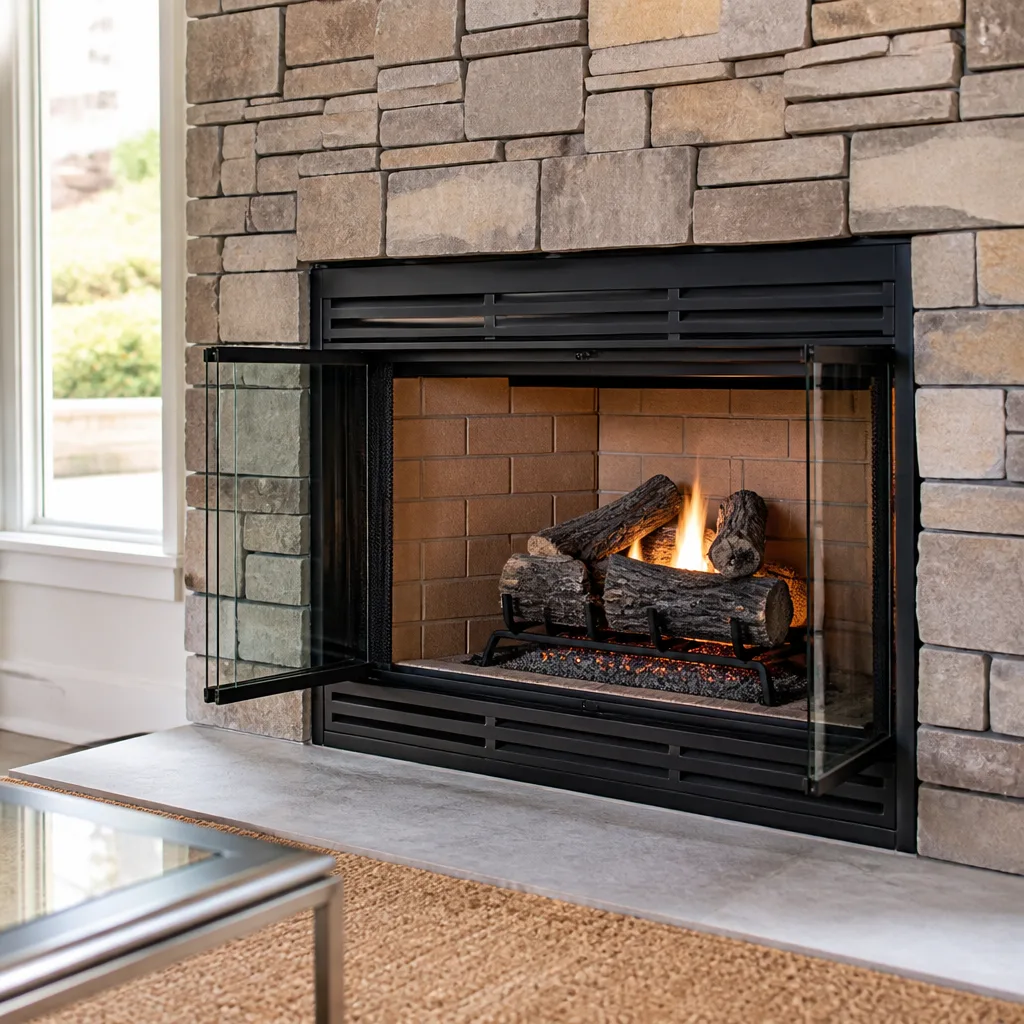
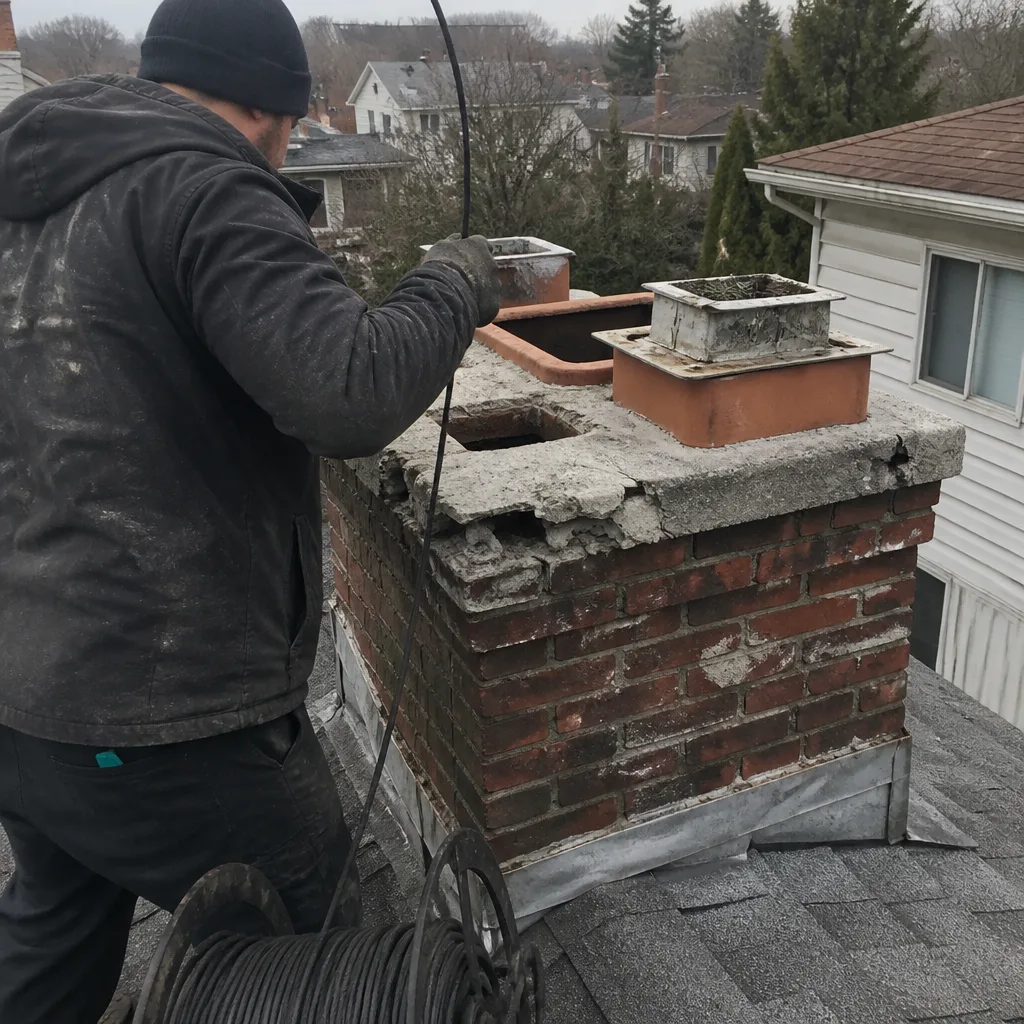 Before
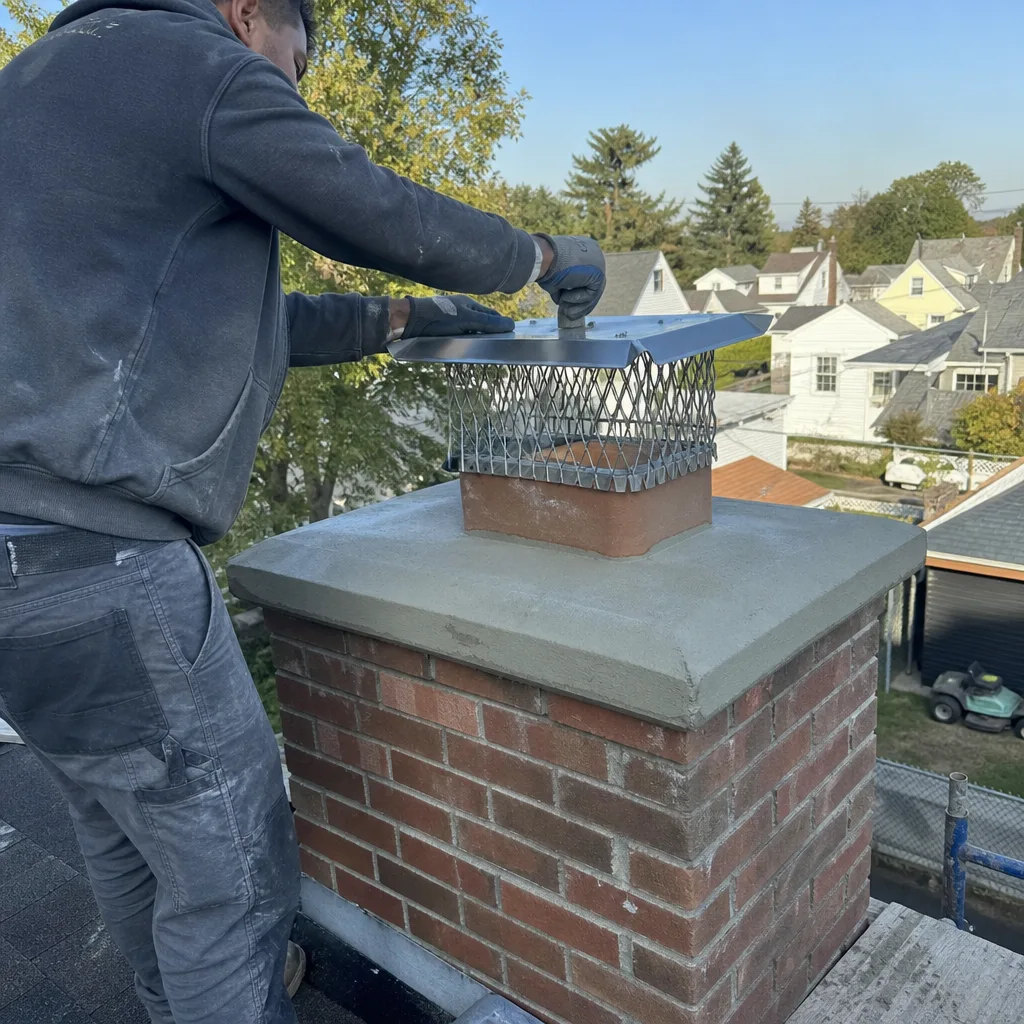 After
After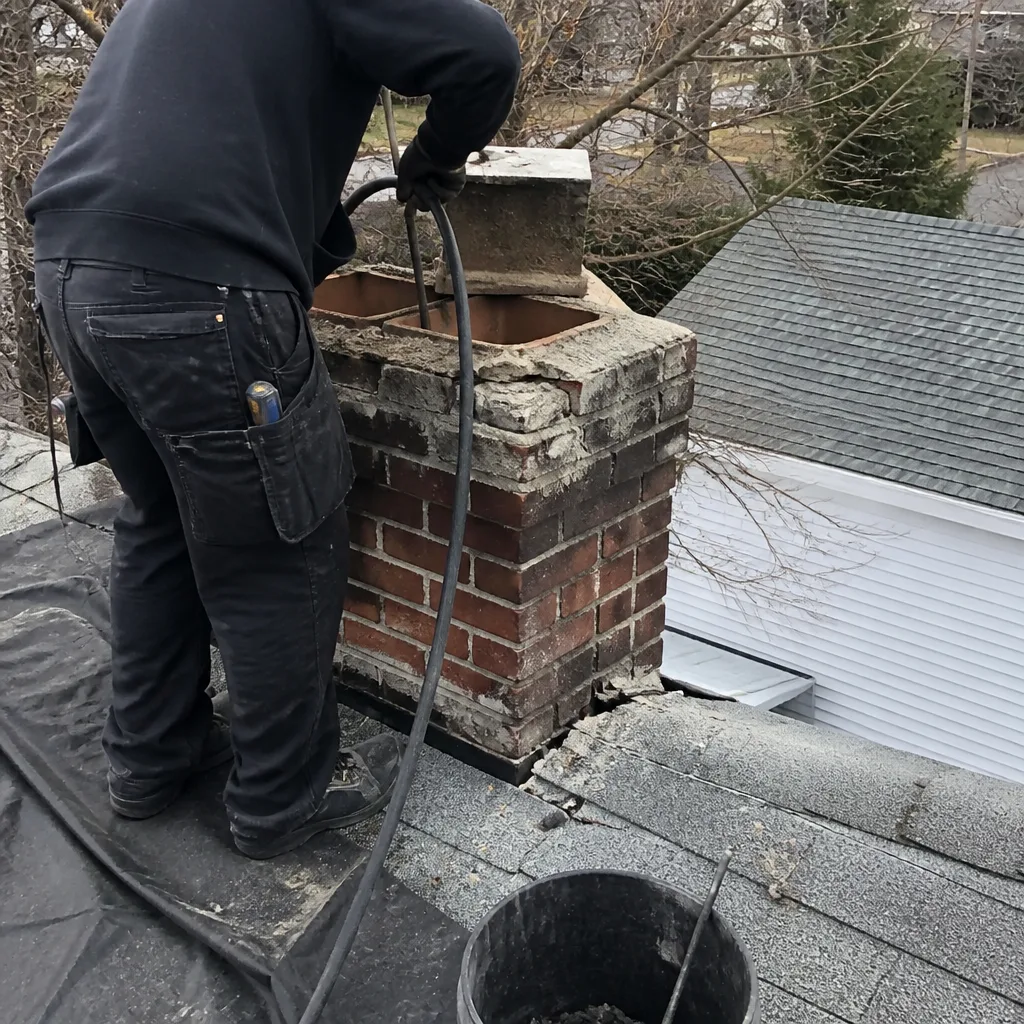 Before
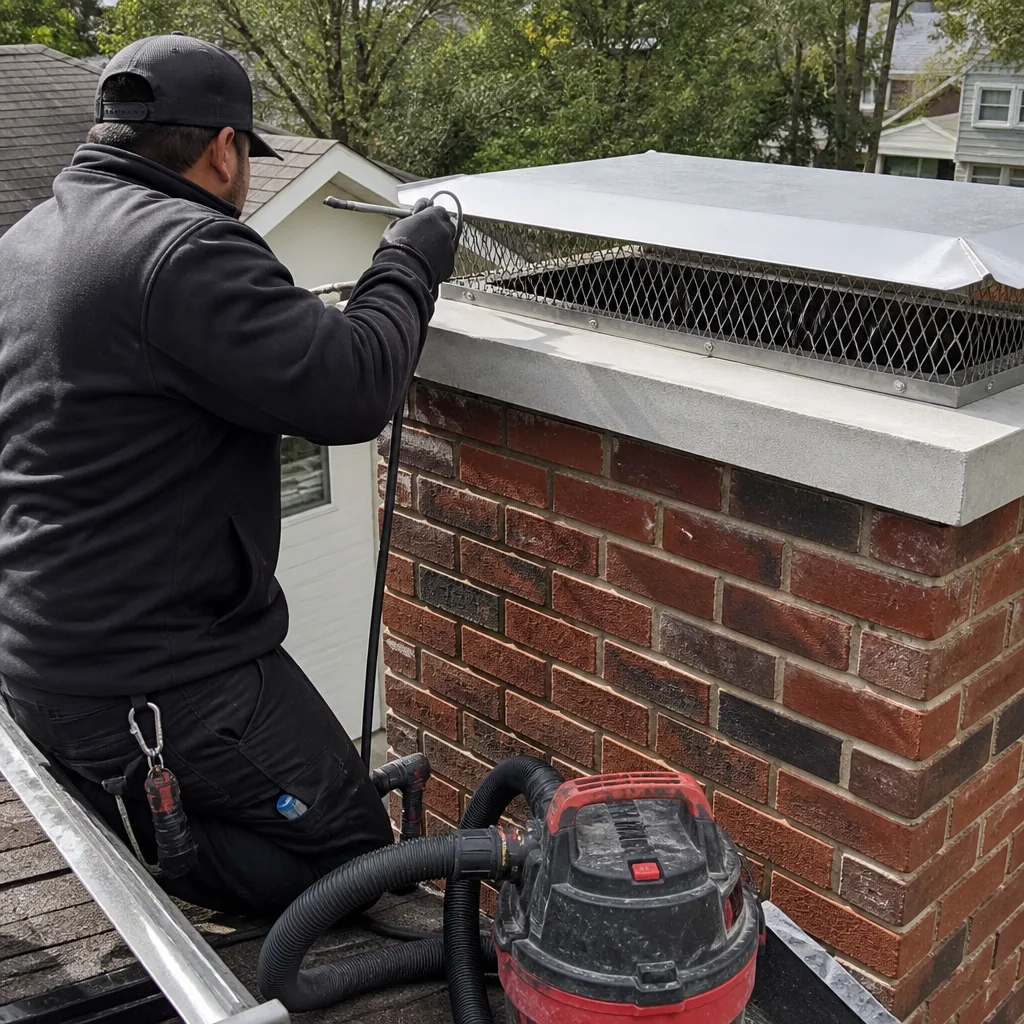 After
After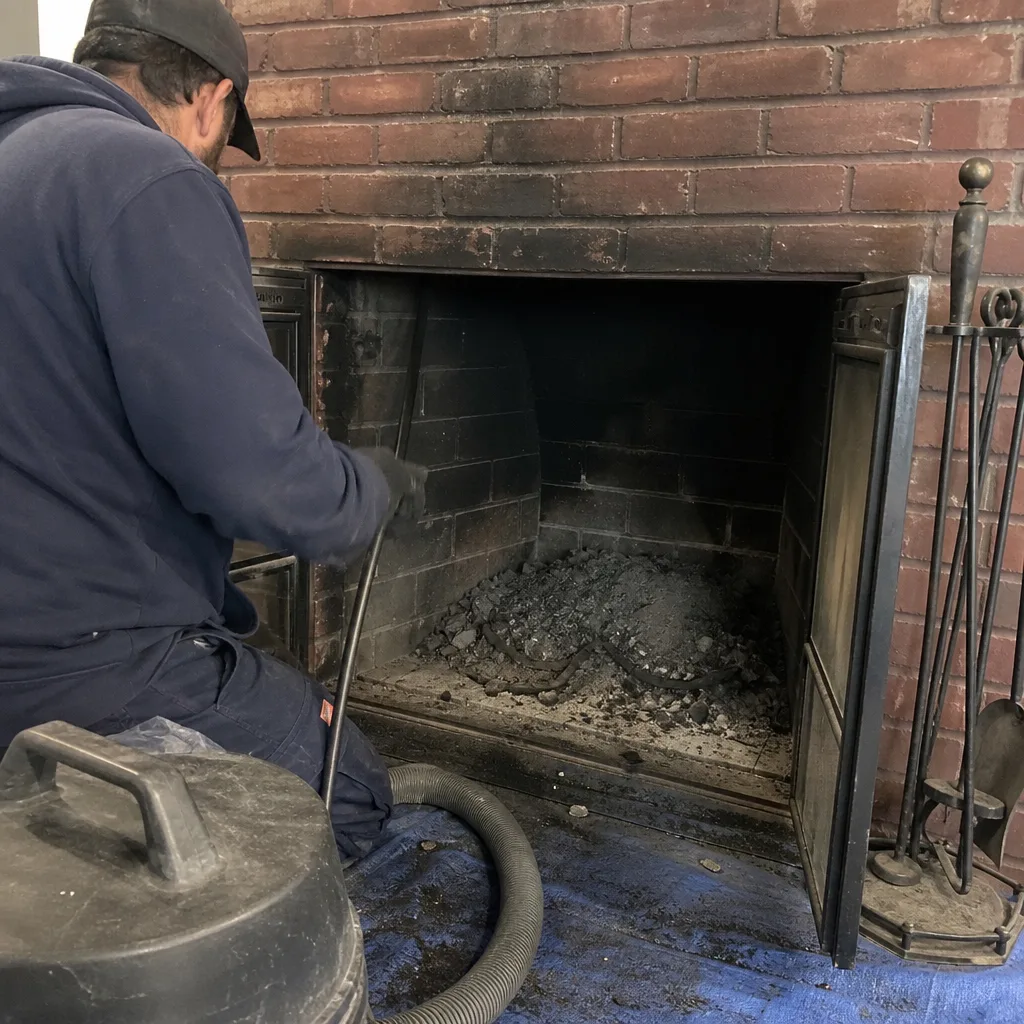 Before
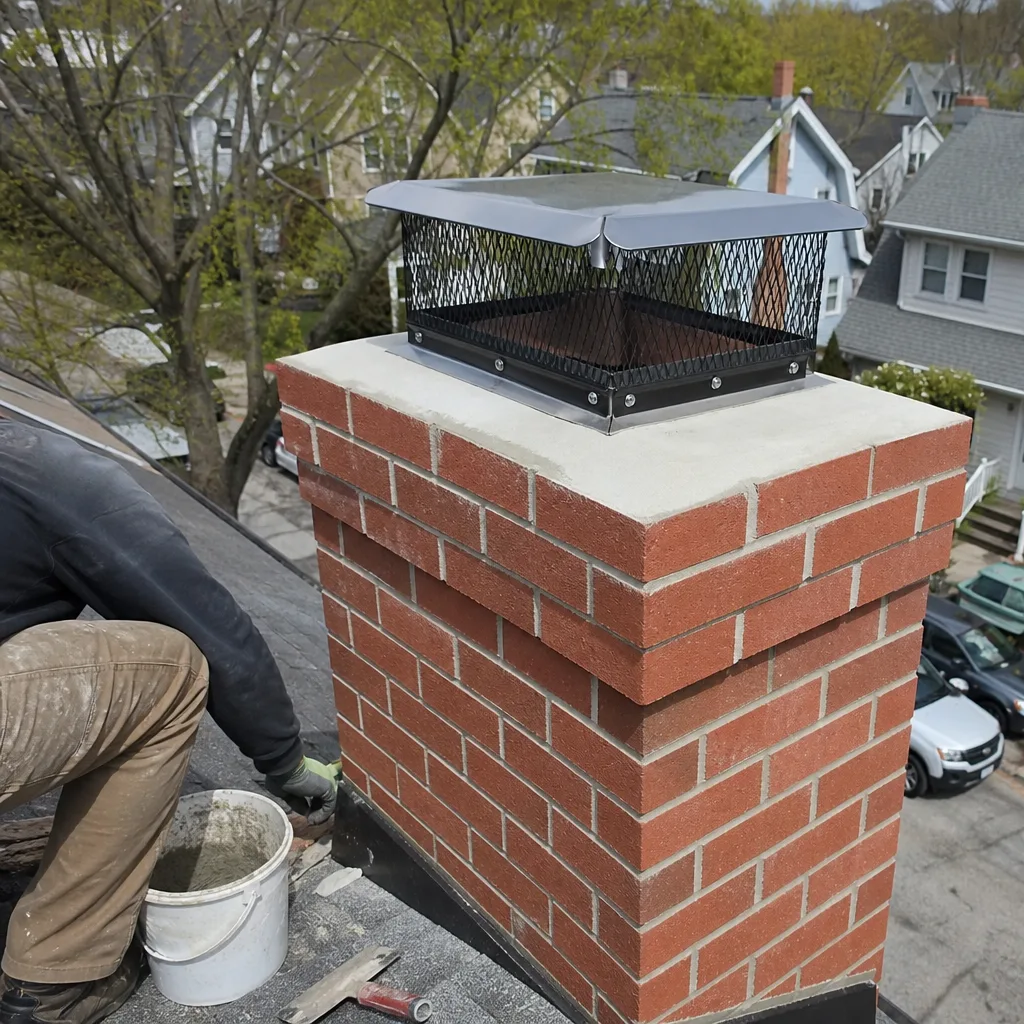 After
AfterHow to Hire a Chimney Cleaning Contractor in Flushing: A Step-by-Step Guide
In New York State, anyone can call themselves a chimney sweep and hand you a business card - there is no state sweep license required, which makes vetting the only filter between your home and someone who learned on YouTube. We’ve been sweeping chimneys in Flushing for over 42 years, and we’ve seen what happens when homeowners skip the questions that matter: cracked flues go undetected, cheap liners fail within seasons, and families get talked into repairs they don’t need by contractors who won’t put guarantees in writing. This guide gives you the exact questions to ask, the credentials that actually matter, and the warning signs that should send you to the next name on your list.
Quick Answer
To hire a chimney cleaning contractor in Flushing, verify CSIA or NFI certification for the technician who will actually do the work, confirm the company carries general liability and workers’ compensation insurance, demand a written estimate with line-item pricing before any work begins, and insist on photo documentation of any recommended repairs. In Queens, where salt air from Little Neck Bay accelerates crown deterioration and freeze-thaw cycles stress masonry from November through March, a contractor who understands local conditions will save you from repeat visits and hidden costs.
Table of Contents
- The Difference Between CSIA, NFI, and General Contractor Licensing in New York
- Five Questions to Ask Before You Book - And What Credible Answers Sound Like
- How to Read a Chimney Estimate: Line Items, Red Flags, and Written Guarantees
- The Discount Chimney Ad Trap: Recognizing the Bait-and-Switch Before It Happens
- What Post-Job Documentation You Should Receive - And Why Photos Matter
- Flushing-Specific Considerations: Climate, Codes, and Neighborhood Conditions
- Common Mistakes to Avoid
- When to Call a Professional
- Frequently Asked Questions
- The Bottom Line
The Difference Between CSIA, NFI, and General Contractor Licensing in New York
New York State does not require a specific license to clean or inspect chimneys. A contractor needs only a general business registration to operate legally. This gap is why credentials matter so much, and why understanding what each one actually proves will keep you from hiring the wrong person.
CSIA Certified Chimney Sweep - The Chimney Safety Institute of America certification remains the industry standard for residential chimney work. Earning it requires passing a comprehensive exam covering fire safety codes, construction standards, and inspection protocols, plus eight hours of continuing education every three years. A CSIA-certified sweep has demonstrated knowledge of NFPA 211 standards and can perform Level 1, 2, and 3 inspections correctly. When a contractor tells you their technician is CSIA certified, ask for the certificate number and verify it at Hearthstone Chimney Co. home. The certification belongs to the individual, not the company. A firm with ten trucks might send someone who has never sat for the exam.
NFI Certified - The National Fireplace Institute certifies specialists in gas, wood, and pellet hearth systems. NFI certification matters more if you have a factory-built fireplace or insert, or if you’re considering a gas conversion. For basic masonry chimney sweeping and inspection, CSIA is the more relevant credential. However, a technician holding both certifications has invested serious time in specialized training.
New York General Contractor License - In New York City, a Home Improvement Contractor license from the Department of Consumer Affairs is required for any residential work over $200. This is a business license, not a skills test. It proves the company has registered, carries required insurance, and has no outstanding violations. It does not prove the person on your roof knows how to inspect a flue liner for pyrolysis damage. Always verify the HIC license number at nyc.gov/consumers.
What We Require at Hearthstone - Every technician we send to homes in Flushing, Bayside, or Whitestone holds CSIA certification, and our gas specialists carry NFI credentials. We’ve maintained this standard since 1984 because a license to operate a business is not the same as a license to work on your chimney safely.
Five Questions to Ask Before You Book - And What Credible Answers Sound Like
These five questions separate craftsmen from opportunists. Write them down before you call.
1. “Will the person who comes to my house be CSIA certified, and can I see the certificate?”
Credible answer: “Yes, [Name] is CSIA certified, certificate number [number]. You’re welcome to verify it online, and they’ll bring a copy if you’d like.”
Red flag: “Our company is certified” or “We have certified techs” without naming the specific person or providing a number. Vague language hides substitution - the certified person answers the phone, the uncertified person climbs the ladder.
2. “What does your inspection include, and will I receive photos?”
Credible answer: “We perform a Level 2 inspection using a chimney camera. You’ll receive dated photos of the flue interior, crown, and firebox, plus a written report with our findings and recommendations ranked by urgency.”
Red flag: “We do a visual inspection” or “We’ll let you know if we find anything.” A legitimate inspection in Flushing’s climate demands camera documentation. Salt air and thermal cycling create damage you cannot see from the hearth.
3. “What is your pricing structure, and when do I pay?”
Credible answer: “The sweep and Level 2 inspection is $[specific amount]. If we find repairs needed, we’ll provide a separate written estimate before any additional work. Payment is due on completion, and we accept [methods].”
Red flag: “It depends on what we find” or pressure to decide on repairs immediately. A square deal means no surprises on the bill. Our Chimney Cleaning & Sweep in Flushing includes upfront pricing agreed before we start.
4. “Are you insured, and what does your coverage include?”
Credible answer: “We carry general liability insurance of $[amount] and workers’ compensation for all employees. I can email you a certificate of insurance naming you as additional insured before we schedule.”
Red flag: “We’re fully insured” without specifics, or hesitation to provide documentation. In Queens, where many homes have steep roofs and limited access between attached structures, workers’ compensation protects you from liability if a technician is injured on your property.
5. “What guarantee do you offer, and is it in writing?”
Credible answer: “We guarantee our workmanship for [specific period]. If anything fails due to our installation or materials, we return and make it right at no charge. The guarantee is printed on every invoice.”
Red flag: “We stand behind our work” with no written terms, or a guarantee that only covers “defects in materials” while excluding labor. At Hearthstone, our 90-Day Done Right Promise is backed in writing with no arguing - if it’s not right, we make it right. Governed by our K.E.Y.S. values: Krafted right, Every time, Your home first, Standing behind it.
How to Read a Chimney Estimate: Line Items, Red Flags, and Written Guarantees
A proper chimney estimate in Flushing should read like a blueprint, not a suggestion. Here’s what to look for.
Line items that must appear:
- Description of work with specific materials named (not “stainless liner” but “DuraFlex 316Ti stainless steel liner, 6″ diameter, 25′ length”)
- Labor broken out separately from materials
- Permit costs if applicable (NYC requires permits for liner replacement and structural repairs)
- Cleanup and disposal
- Warranty terms with duration and coverage specifics
Vague language that signals trouble:
- “Chimney repair - $TBD”
- “Additional work as needed”
- “Materials at cost plus markup”
- “May require supplemental charges”
These phrases create openings for post-job invoices that bear no resemblance to the estimate. A trustworthy contractor in Queens specifies everything before work begins because unexpected conditions in century-old Flushing housing stock are common - but they should be documented with photos and presented as a change order you approve, not a surprise on the final bill.
What a written guarantee should say:
Look for these elements: specific duration (90 days, one year, lifetime on materials), what is covered (workmanship, materials, or both), whether transfer to a new homeowner is permitted, and the process for making a claim. “Call us if you have problems” is not a guarantee. “We will return within 48 hours of notification and repair at no charge” is. Our 90-Day Done Right Promise covers all labor and materials we install. No paperwork to file, no arguing about whether the issue is “covered.” If we did it, we stand behind it.
The Discount Chimney Ad Trap: Recognizing the Bait-and-Switch Before It Happens
The pattern is so predictable we’ve been warning Flushing homeowners about it for decades. A company advertises a “$49 chimney sweep and inspection” - sometimes “$29” - in local mailers, online listings, or door hangers. The technician arrives, spends twenty minutes on a cursory look, then delivers alarming news: your liner is “crumbling,” your crown is “failing,” your chimney is “a fire hazard.” The estimate for “urgent” repairs runs $3,000 to $8,000. The discount was bait. The switch is fear.
How to recognize it before you book:
- Price too low for the service described. A legitimate Level 2 inspection with camera documentation requires 60-90 minutes of skilled labor, equipment maintenance, and fuel. In Queens’ traffic and parking environment, a $49 price point does not cover costs unless it’s a loss leader for upsells.
- Vague ad copy with no company history. Look for a physical address, years in business, and verifiable reviews. One-truck operators running bait-and-switch often use generic names and rotate phone numbers.
- Pressure to decide immediately. “I can do it today for this price, but I have another call” is a classic tactic. A real professional explains the condition, shows you evidence, and lets you schedule repairs when you’re ready.
- Refusal to provide photos or second opinions. A contractor confident in their diagnosis welcomes verification. Our Free Second Opinion on any written estimate exists precisely because we’ve seen too many Flushing homeowners pay for unnecessary work.
The honest pricing reality: In Flushing, a thorough chimney sweep and Level 2 inspection from a credentialed company typically runs $175-$325, depending on accessibility and fuel type. Repairs are additional, quoted separately, and agreed in writing. Anyone promising comprehensive service for a fraction of that is planning to make their money another way.
What Post-Job Documentation You Should Receive - And Why Photos Matter
A chimney contractor who does quality work wants you to see it. A contractor cutting corners hopes you forget the visit. The documentation you receive tells you which one you hired.
Minimum documentation standard:
- Before-and-after photos of the flue interior, accessible from a chimney camera
- Photos of the crown, cap, and exterior masonry condition
- Written report with findings ranked by urgency: immediate safety concern, recommended within season, monitor for future
- Invoice detailing all work performed with materials specified
- Written warranty or guarantee terms
Why photos are non-negotiable in Flushing: Our climate creates damage patterns invisible from the hearth. Salt-laden air from Little Neck Bay and the Long Island Sound accelerates metal component corrosion. The freeze-thaw cycle between late November and early April opens hairline cracks in crowns that become major water entry points. A camera inspection reveals what eyes cannot, and dated photos protect both you and the contractor from disputes about when damage appeared.
We’ve returned to homes in Murray Hill and Kew Gardens Hills where previous contractors “inspected” without documentation and missed deteriorating flue liners that put the household at risk. Photos you can see, a plain-English verdict - this is how a craftsman demonstrates respect for your home and your intelligence. If a company won’t provide visual evidence, you have no way to verify their recommendations or compare their findings with a second opinion.
Our technicians complete most jobs in a single visit, but we never rush documentation. Every Hearthstone customer receives a digital report with photos within 24 hours of service. It’s part of how we’ve operated since 1984, and it’s why customers in Flushing call us back year after year.
Flushing-Specific Considerations: Climate, Codes, and Neighborhood Conditions
Chimney work in Flushing differs from chimney work in other markets. Understanding these local factors - and how they shift through the year - helps you evaluate whether a contractor actually knows the territory or just has a Queens phone number. Our Seasonal Chimney Cleaning Care for Flushing: Year-Round Homeowner’s Guide covers what to watch each season.
Climate and weather patterns: Flushing sits on the north shore of Long Island, exposed to northeasterly storms and salt air from Little Neck Bay. This accelerates corrosion on metal chimney caps, chase covers, and damper mechanisms. Contractors who work primarily inland may not stock the marine-grade stainless components that hold up here. We specify Copperfield and Gelco caps with proper salt-air ratings because we’ve replaced too many “standard” units that failed within three seasons.
Housing stock age and construction: Flushing’s residential architecture spans nearly four centuries, from Dutch Colonial remnants to post-war brick row houses to 1970s high-rises with factory-built fireplace systems. Each era has distinct chimney configurations, and each presents different inspection challenges. In the historic districts near Bowne Street, unlined masonry flues from the 1920s require different evaluation protocols than the prefabricated metal chimneys common in 1960s garden apartments. A contractor who treats every chimney the same is a contractor who will miss something.
Local code and permit requirements: New York City requires permits for chimney liner replacement, structural repair, and any work affecting the building envelope. Queens Community Board 7 and 11 have additional notification requirements for work on designated landmarks. A contractor who suggests “we can skip the permit to save money” is exposing you to fines, insurance denial, and sale complications. We handle permit applications as standard practice on all Chimney Repair in Flushing projects requiring them.
Access and logistics: Parking for service vehicles, narrow driveways in attached housing, and roof access over frozen ground in January all affect how work gets done. A contractor unfamiliar with Flushing’s street patterns may charge extra for “difficult access” that local companies account for in standard pricing. We’ve been navigating these streets since 1984. We’ll be there when we say.
Common Mistakes to Avoid
- Hiring based on price alone. The lowest bid in Flushing often means uninsured labor, uncertified technicians, or a business planning to recover margin through upsells. The $49 sweep that discovers $4,000 in “urgent” repairs is not a bargain.
- Assuming all certifications are equal. A “chimney certification” from an online course completed in an afternoon is not CSIA certification. Ask for the specific credential, the certifying body, and the certificate number.
- Neglecting to verify insurance. Queens homeowners have been held liable for technician injuries on uninsured jobs. Request a certificate of insurance before scheduling, and confirm workers’ compensation coverage specifically.
- Accepting verbal estimates. New York law requires written contracts for home improvement work over $200. More importantly, a written estimate with line items protects you from scope creep and provides documentation if work fails.
- Skipping the post-job review of photos. Even honest contractors make occasional oversights. Review your inspection photos while the technician is present, ask questions about anything unclear, and keep the documentation with your home records.
- Ignoring neighborhood-specific experience. A contractor who works primarily in new construction on Long Island may not recognize the deterioration patterns common in Flushing’s pre-war housing stock. Ask how many chimneys they’ve serviced in your area.
- Failing to ask about the guarantee in writing. “We stand behind our work” evaporates when you need it. A guarantee that is not printed on your invoice is not a guarantee you can enforce.
When to Call a Professional
Some chimney conditions demand immediate professional evaluation. Call a certified sweep if you notice smoke entering your living space, a strong odor of creosote even when the fireplace is cold, visible cracks in the firebox or exterior masonry, or rust staining on the chimney face that indicates deteriorating metal components. After any chimney fire, even a small one, a Level 2 inspection is essential before the next use - the damage may be internal and invisible.
In Flushing, where many homes rely on chimneys for heating system venting as well as fireplaces, annual inspection is the NFPA 211 standard regardless of apparent condition. Carbon monoxide can leak through deteriorated flue liners with no visible warning sign. Hearthstone Chimney Co. offers free estimates in Flushing - call (516) 206-6672. A live person answers every call, 24 hours a day, 7 days a week.
Frequently Asked Questions
A professional chimney sweep and Level 2 inspection in Flushing typically costs $175 to $325, depending on the number of flues, accessibility, and whether you have a wood-burning, gas, or oil system. Repairs, liner work, and masonry are quoted separately after inspection. Call (516) 206-6672 for an exact quote - estimates are free.
You need a new liner if your existing one is cracked, improperly sized for your appliance, or missing entirely - conditions that create fire and carbon monoxide hazards. A credible contractor shows you camera evidence of damage and explains why replacement is necessary rather than optional. At Hearthstone, we use DuraFlex and HeatShield liners specified to your appliance and flue dimensions, and we won’t recommend replacement without photos you can see for yourself.
The National Fire Protection Association recommends annual inspection for all chimney systems, and sweeping as needed based on creosote accumulation - typically once per cord of wood burned for wood-burning systems. In Flushing’s climate, where temperature swings accelerate masonry stress, annual inspection catches developing problems before they become emergencies. Call (516) 206-6672 to schedule.
Skipped maintenance leads to creosote buildup that can ignite into chimney fires reaching 2,000 degrees, cracked flue liners that leak carbon monoxide into living spaces, and water intrusion that destroys masonry from the inside. In Flushing’s freeze-thaw climate, small cracks become major structural failures within two to three winters. The cost of prevention is always lower than the cost of rebuilding.
No. New York State does not require a specific license to clean or inspect chimneys. The only legal requirements are general business registration and, in New York City, a Home Improvement Contractor license for residential work over $200. For the full picture on local regulations, see our guide to Chimney Cleaning Permits, Codes & Inspections in NY: What You Need to Know. This regulatory gap makes consumer verification essential - CSIA or NFI certification, insurance verification, and written guarantees are your only protections.
Homeowners can remove superficial soot from the firebox, but professional cleaning requires specialized brushes, vacuum equipment, and camera inspection of the flue interior that cannot be performed safely from the hearth. More importantly, a qualified technician evaluates structural condition, clearances, and venting performance that DIY cleaning cannot assess. For the safety systems in your home, professional evaluation is the sound choice.
The Bottom Line
Hiring a chimney contractor in Flushing comes down to verification: certified technicians, documented inspections, written estimates, and guarantees you can enforce. The absence of state licensing for sweeps means the burden falls entirely on you as the homeowner. Ask the five questions. Demand photos. Read every line of the estimate. Recognize the discount trap before it springs. For more guides & resources on protecting your home, explore our blog. And choose a company that plans to be in town long enough to honor its guarantee - because a promise from a business that won’t exist next season is no promise at all.
Done right - and we stand behind it. That’s the standard we’ve kept in Flushing since 1984.
Written by Russell Haines, Owner at Hearthstone Chimney Co., serving Flushing since 2014.