
Last updated September 10, 2026
Level 1 sweep and inspection to the NFPA 211 annual standard - flue, crown, cap, and flashing checked and photographed
Chimney sweep logs do not sweep chimneys. They loosen some creosote - which then falls where a brush and vacuum still have to collect it.
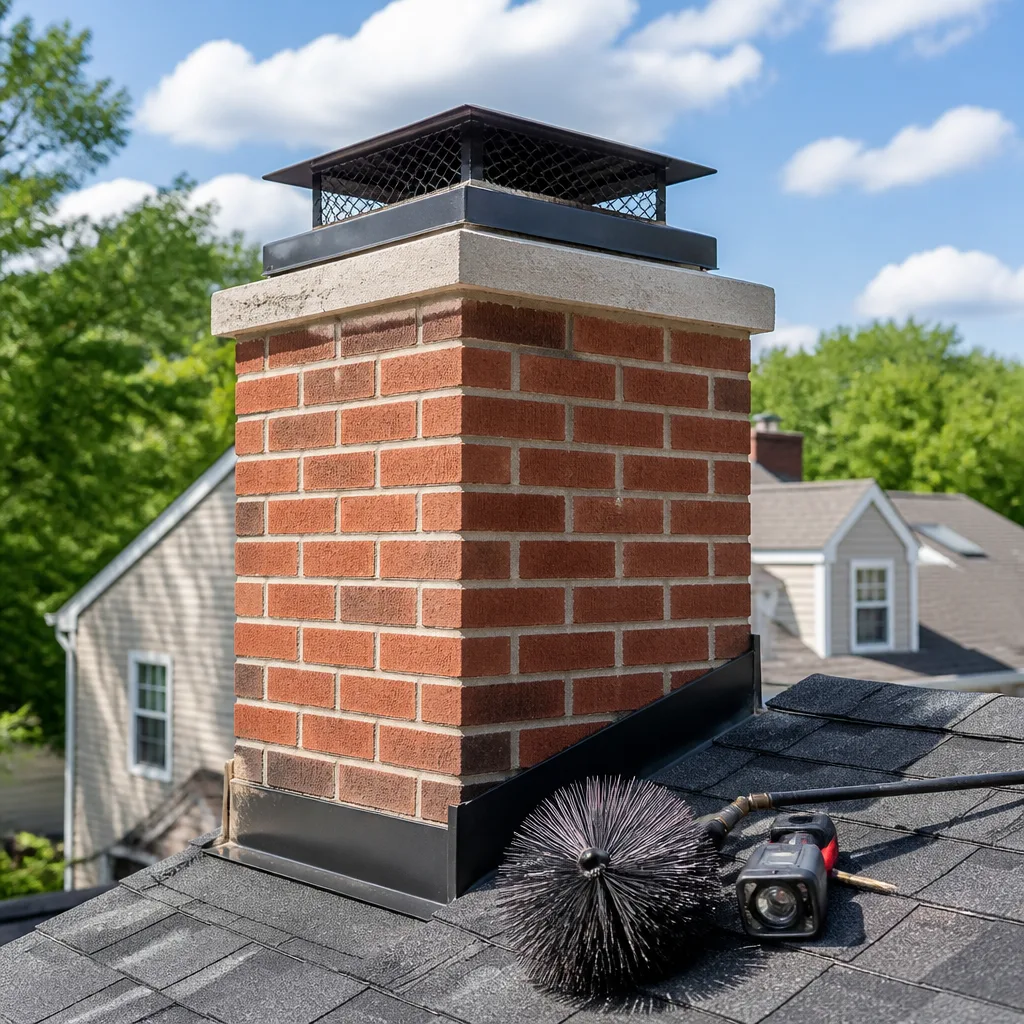
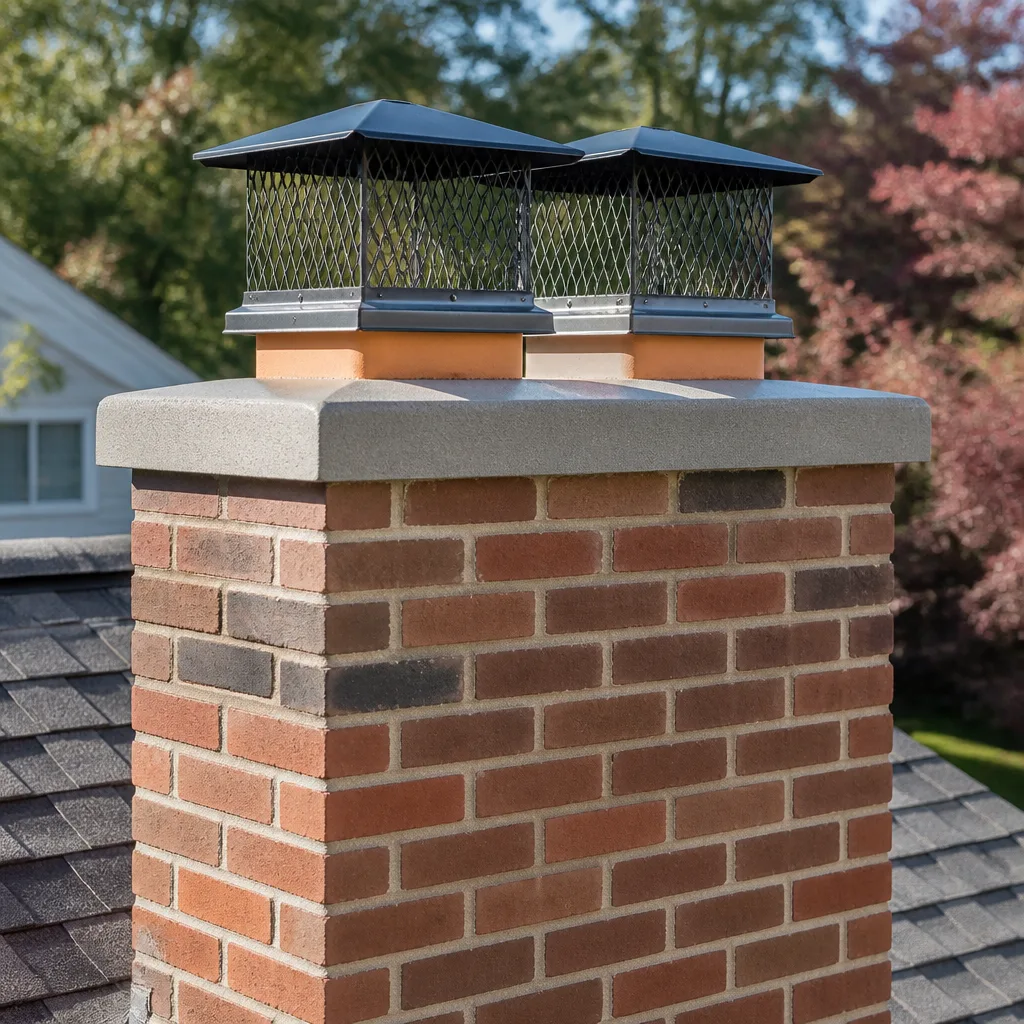
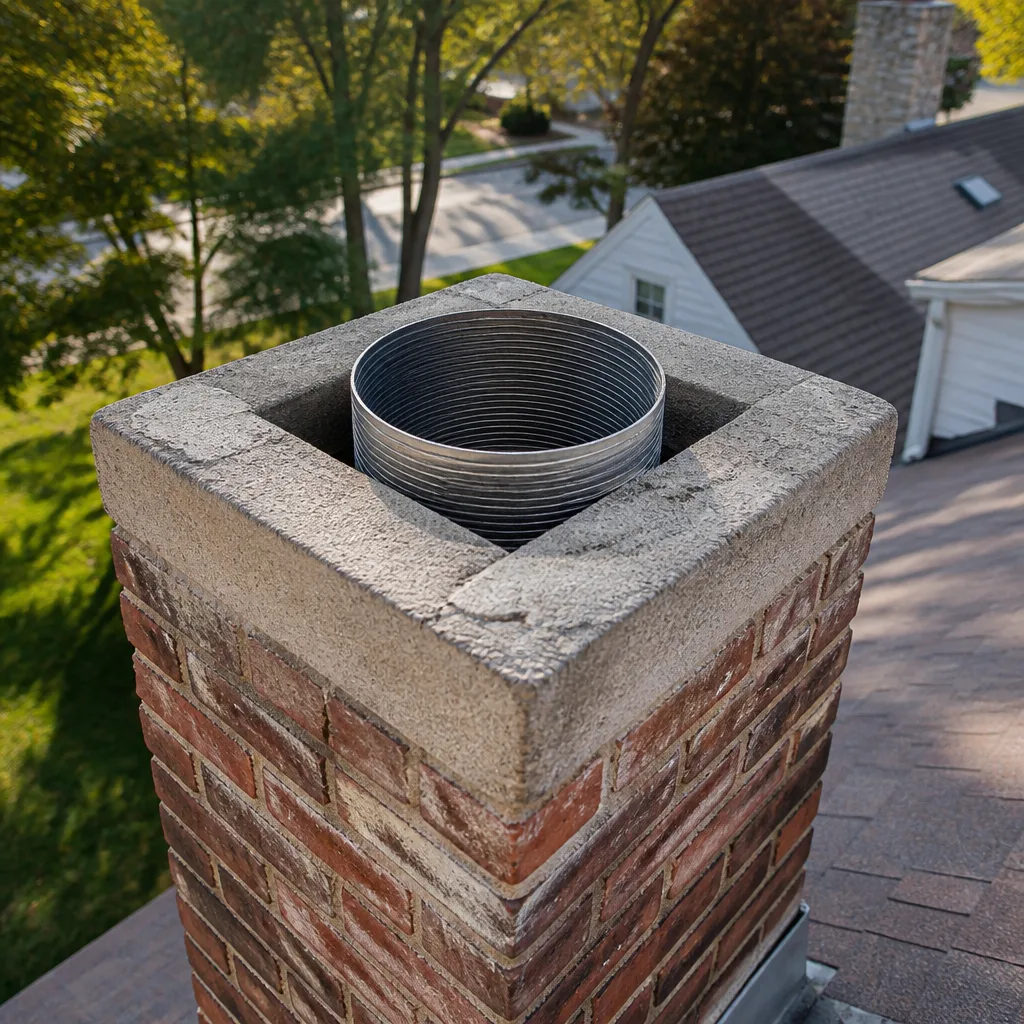
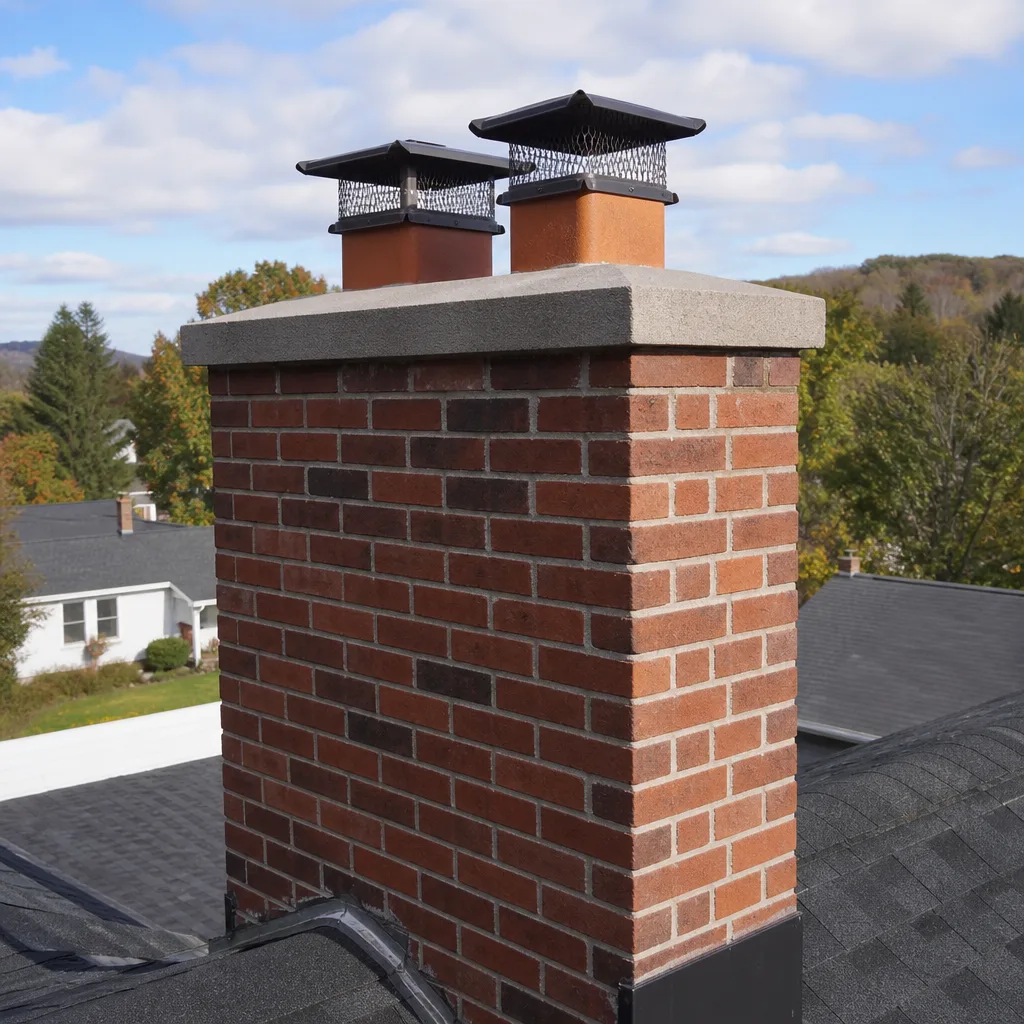
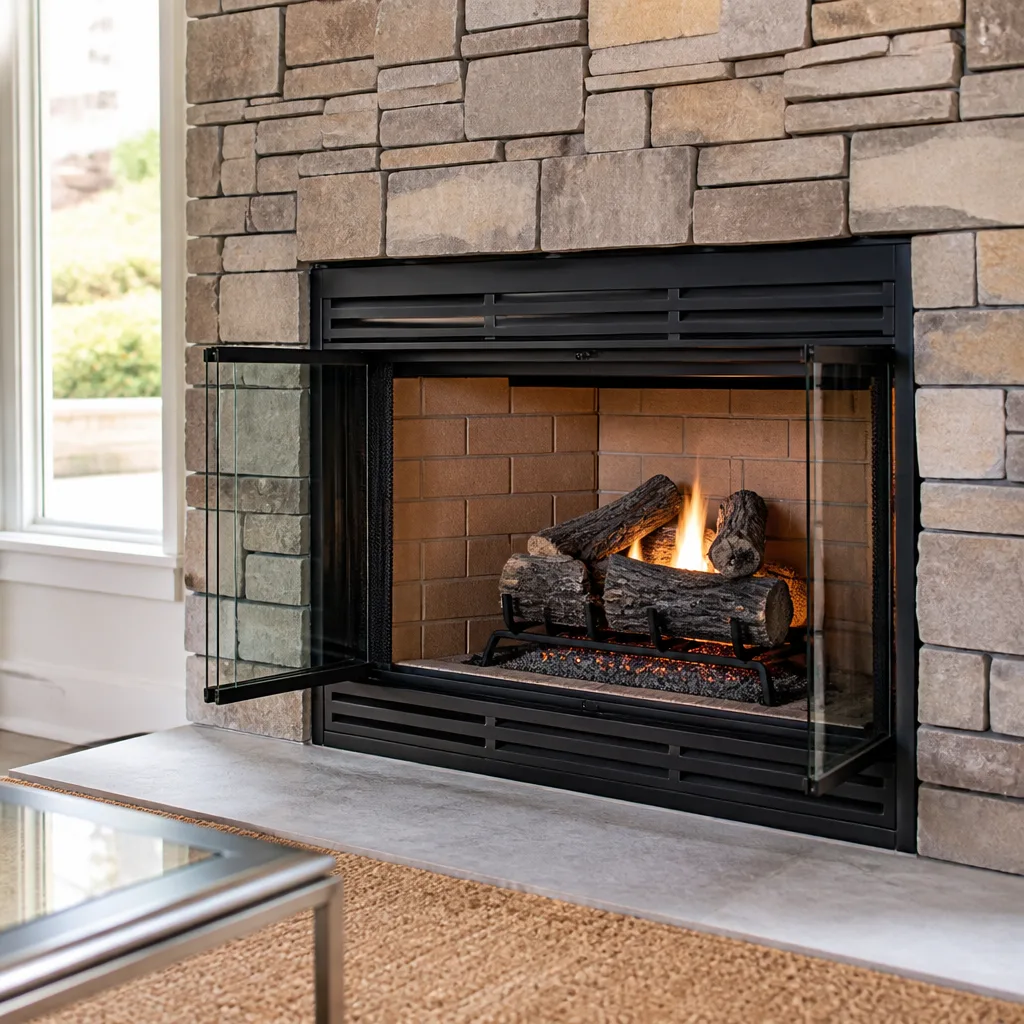
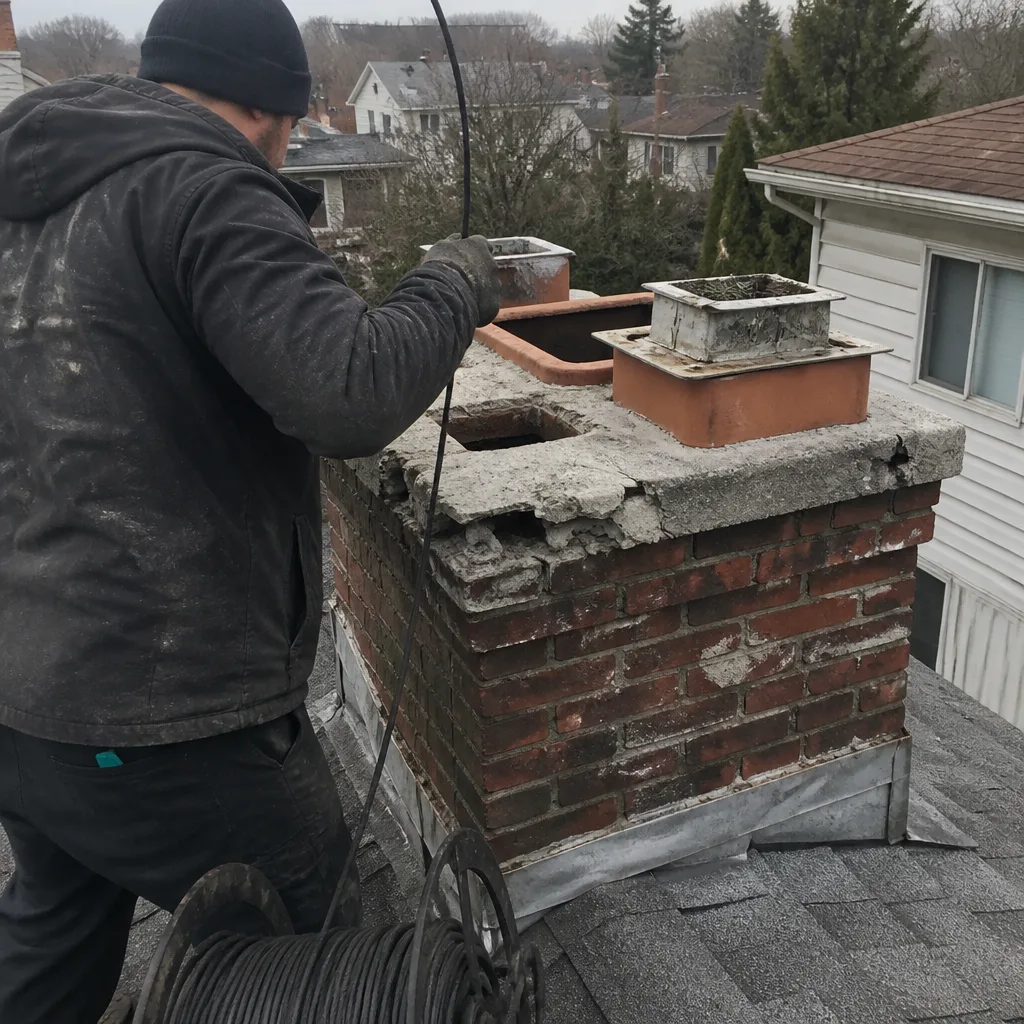 Before
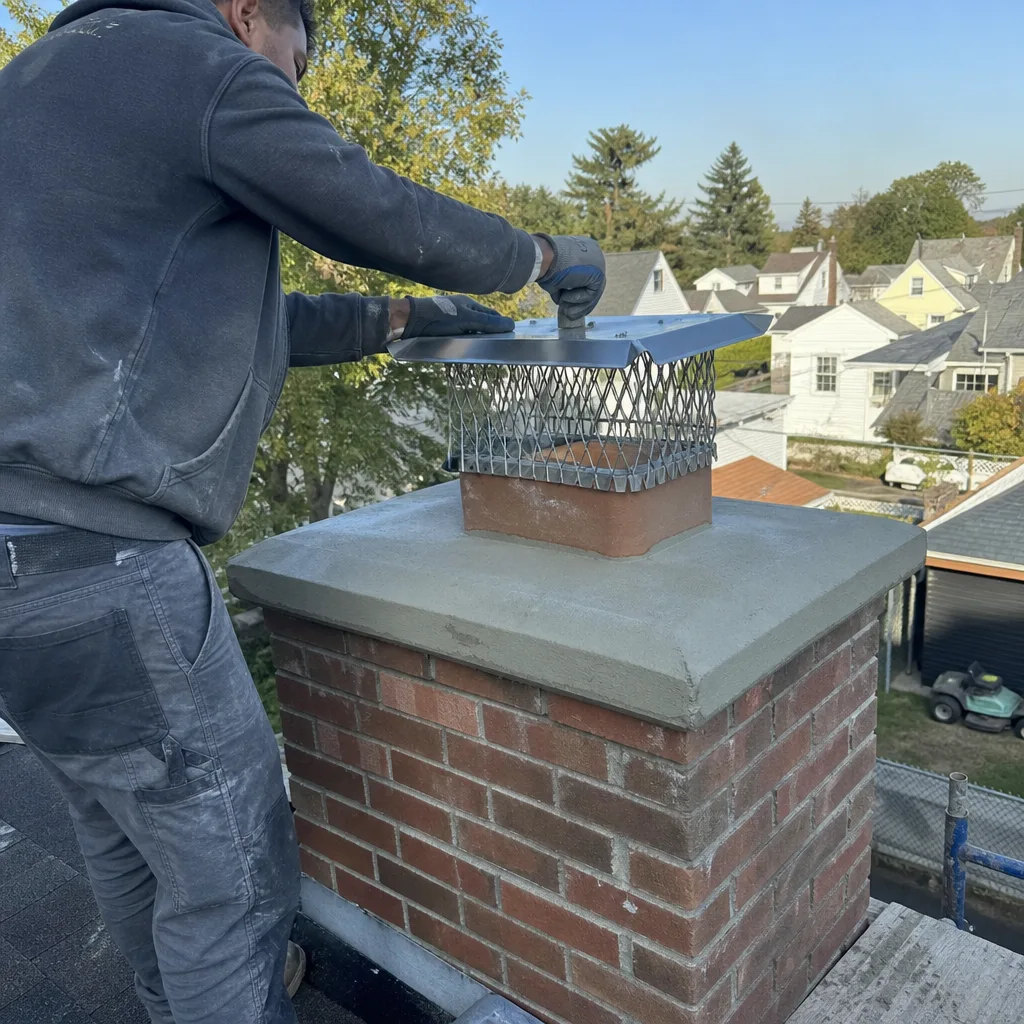 After
After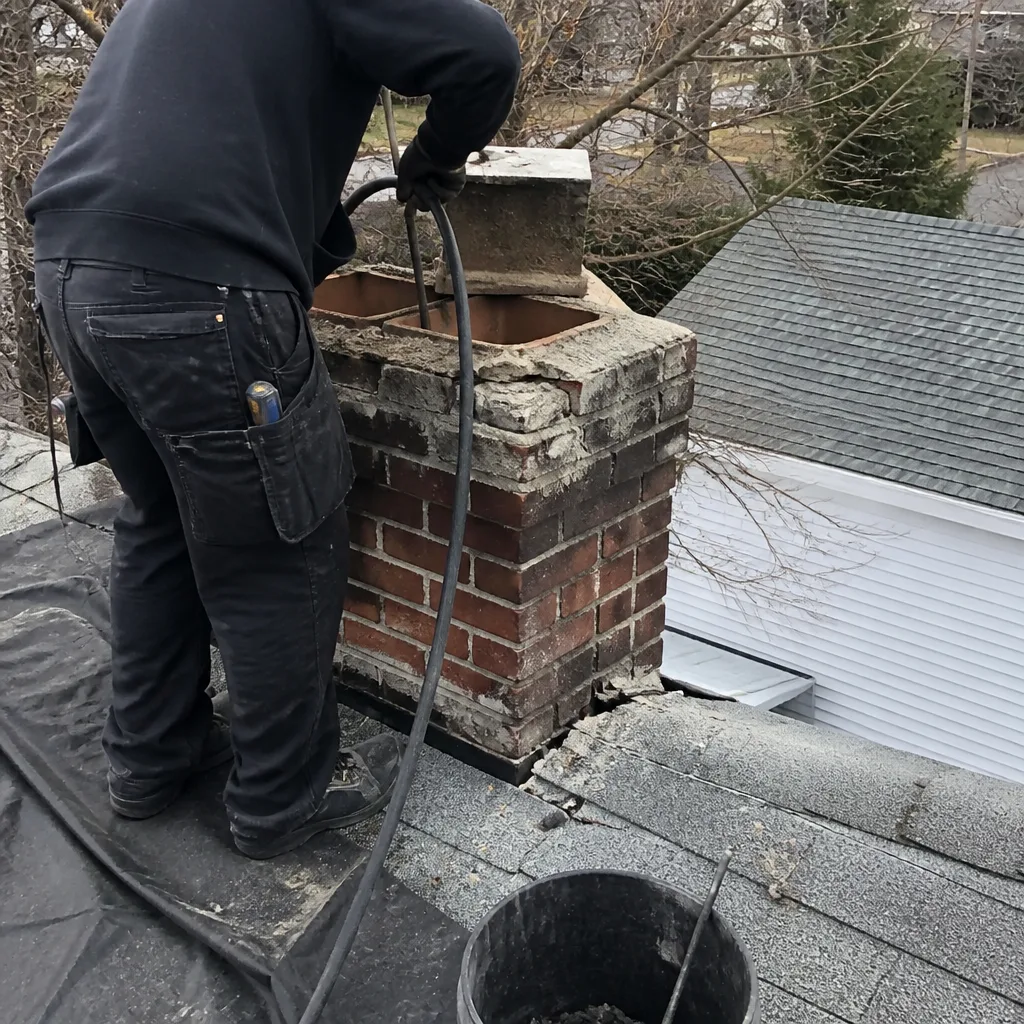 Before
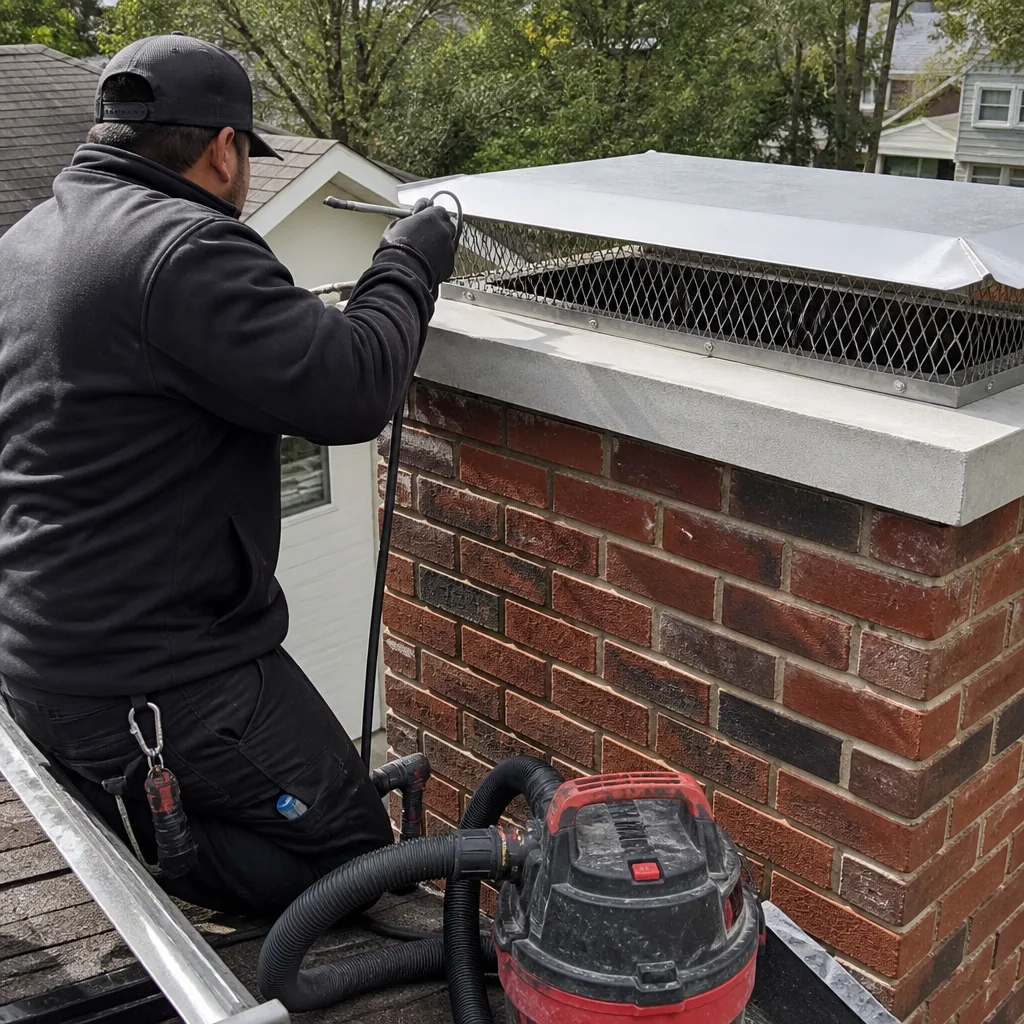 After
After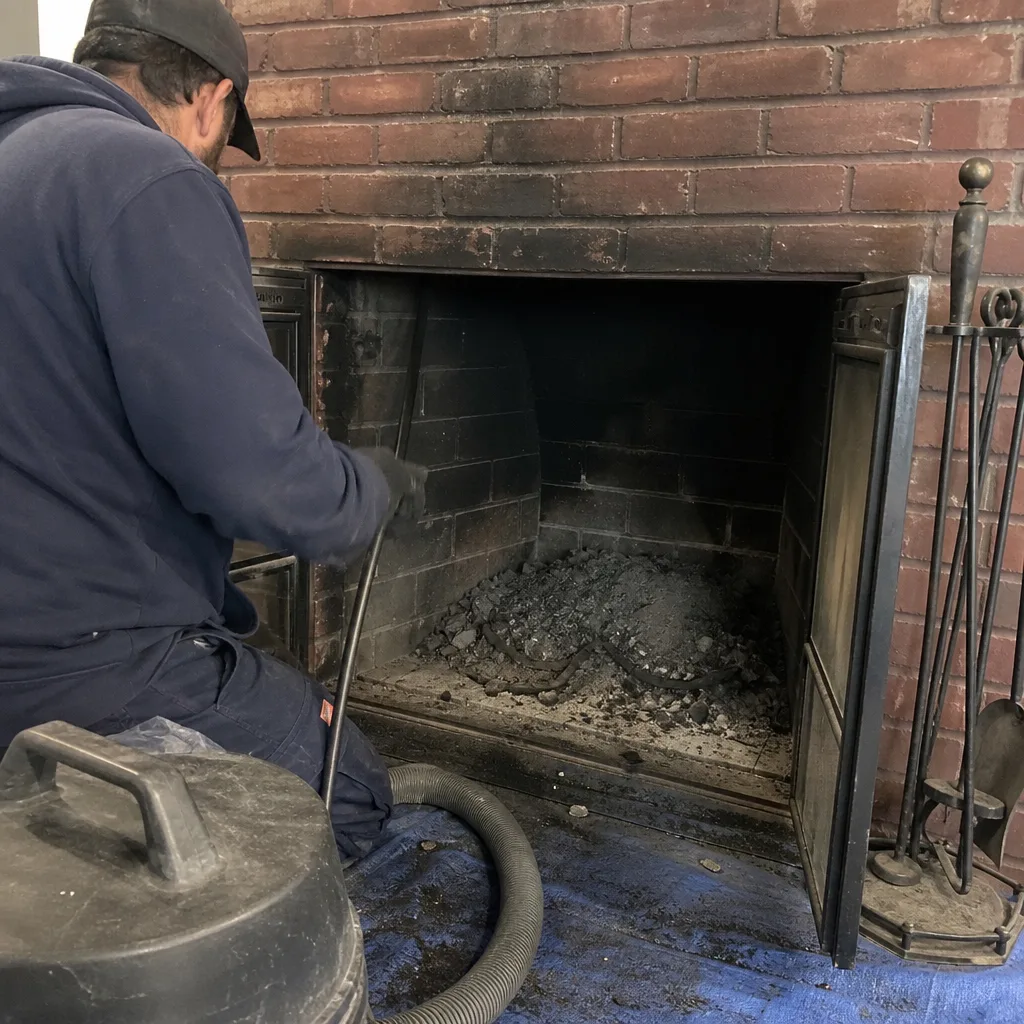 Before
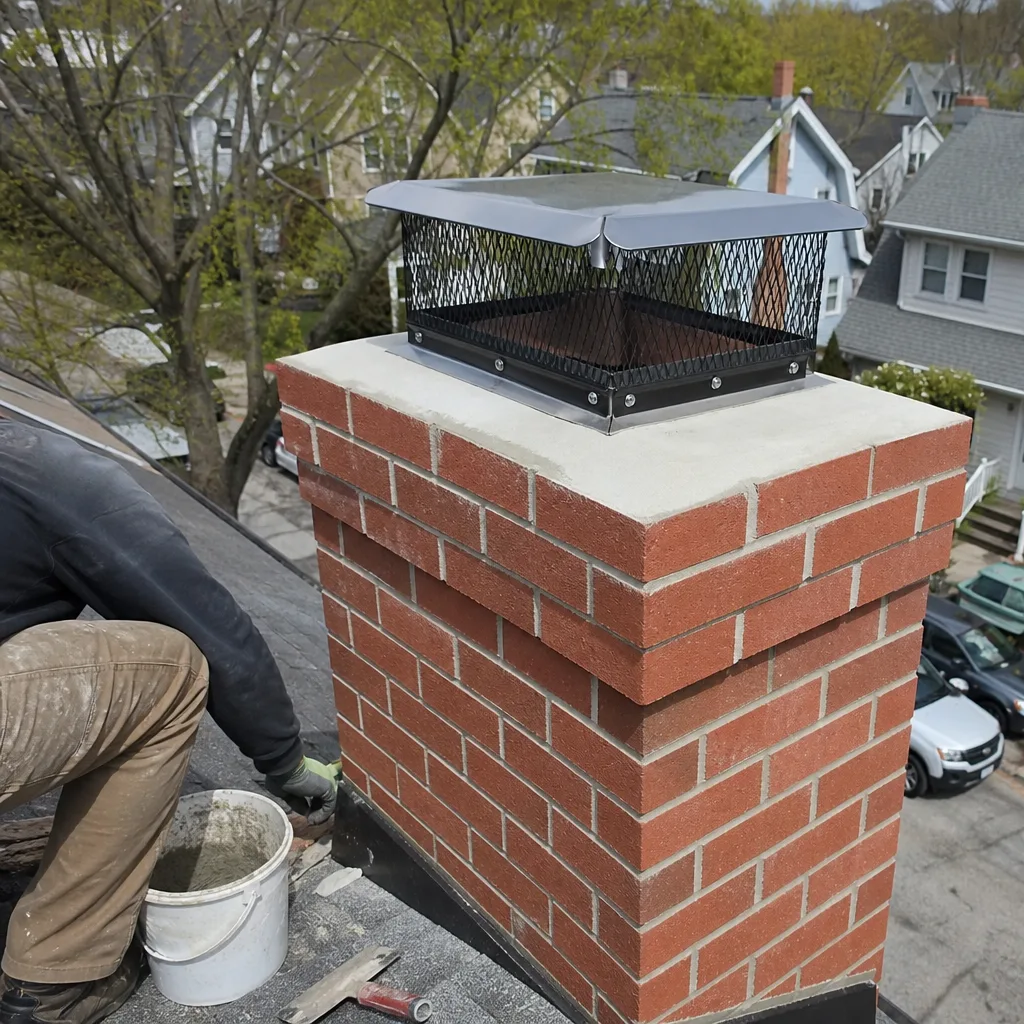 After
AfterChimney Cleaning Permits, Codes & Inspections in NY: What You Need to Know
A Flushing homeowner recently discovered at closing that a $3,200 liner installation done two years prior had no permit pulled - and the sale nearly collapsed over it. Permits aren’t paperwork for paperwork’s sake; they’re proof the work was done to code. In this guide, we’ll draw the line between routine chimney maintenance (no permit needed) and structural alterations (permit required), explain how NYC Building Code interacts with national fire safety standards, and show you exactly how to verify past work through public records. Whether you own a pre-war colonial in Murray Hill or a brick Tudor in Broadway-Flushing, here’s what actually matters.
Quick Answer
Routine chimney cleaning and sweeping never require a permit in New York City. However, any work that alters the structure, lining, or venting system - including liner replacement, crown rebuilds, or damper modifications - typically requires a permit from the NYC Department of Buildings. A Level 2 camera inspection is legally required for real estate transactions and after chimney fires, and the results must comply with both NFPA 211 standards and local NYC codes.
Table of Contents
- Maintenance vs. Alterations: Where the Permit Line Is Drawn
- How NYC Building Code Applies to Chimney Work
- NFPA 211 vs. NYC Local Laws: What Controls What
- Level 2 Inspections: When They’re Required and What They Certify
- The Real Risks of Unpermitted Chimney Work
- How to Verify Permits and Inspections Using NYC DOB Records
- Flushing-Specific Considerations: Multi-Unit Buildings and Older Housing Stock
- Common Mistakes to Avoid
- When to Call a Professional
- Frequently Asked Questions
- The Bottom Line
Maintenance vs. Alterations: Where the Permit Line Is Drawn
The single most important distinction in New York chimney work is this: maintenance preserves what exists; alterations change what exists. One needs a permit. The other doesn’t. Getting this wrong is how homeowners end up with unpermitted work that surfaces years later.
Maintenance work (no permit required):
- Chimney sweeping and creosote removal
- Standard cleaning of fireboxes, smoke chambers, and flues
- Installation of standard chimney caps that don’t modify the crown structure
- Minor mortar joint touch-ups using matching materials (tuckpointing under 25% of total masonry)
- Replacement of factory-built fireplace doors or screens
Alterations requiring NYC DOB permits:
- Liner replacement or installation (stainless steel, aluminum, or cast-in-place)
- Crown rebuilds or structural modifications
- Damper replacement that changes the throat opening dimensions
- Repointing exceeding 25% of total masonry surface
- Chimney extensions or height modifications
- Conversion from one fuel type to another (wood to gas, oil to gas)
- Installation of new venting systems or appliance connections
We’ve seen this line blurred constantly in Flushing, especially with older homes on streets like 35th Avenue or in the Kissena Park area where original terracotta liners have degraded. A sweep recommends a stainless steel liner from DuraFlex or Olympia Chimney - perfectly appropriate materials - but fails to mention the permit requirement. The homeowner pays, the work looks fine, and the problem only appears when they refinance or sell.
The NYC Department of Buildings considers liner replacement an alteration because it changes the venting characteristics of the system. Even when the liner is the same nominal diameter as the original flue, the material properties differ. Stainless steel expands and contracts differently than terracotta. The DOB wants engineering review and sign-off.
One practical test we use: if the work requires opening a wall, modifying the chimney structure, or changing the appliance’s venting classification, assume a permit is needed. When in doubt, a licensed master plumber or registered architect can file the application. Reputable contractors handle this as part of the project. If a sweep tells you permits “aren’t necessary for this kind of work,” that’s a red flag.
How NYC Building Code Applies to Chimney Work
New York City operates under the NYC Building Code, currently based on the 2014 edition with local amendments. For chimneys, the relevant sections are Chapter 10 (Chimneys and Fireplaces) and Chapter 17 (Structural Tests and Special Inspections). These codes are more stringent than what you’ll find in Nassau or Suffolk counties, and significantly tighter than upstate New York standards.
Key NYC-specific requirements:
- Masonry chimneys in multi-family buildings must meet enhanced fire-resistance ratings. In Flushing’s garden apartment complexes and two-family conversions common near Main Street, this often means additional inspection requirements.
- Clearance to combustibles is enforced strictly. The code mandates minimum distances between chimney surfaces and framing, insulation, or other combustible materials. In pre-war construction with balloon framing, this is where hidden dangers live.
- Factory-built fireplaces must be installed per manufacturer specifications with zero deviation. NYC inspectors will red-tag installations that substitute materials or modify clearances.
- Gas appliance venting requires specific B-vent or direct-vent configurations. Category I appliances cannot share flues with solid-fuel appliances under any circumstances.
- Special inspections are triggered for structural chimney repairs, liner installations, and any work in landmarked districts or designated historic areas - which includes portions of Broadway-Flushing and parts of the Waldheim neighborhood.
The code also references NFPA 211 (Standard for Chimneys, Fireplaces, Vents, and Solid Fuel-Burning Appliances) as an incorporated standard. Where NYC code is silent, NFPA 211 fills gaps. Where they conflict, NYC code prevails. This dual-layer system confuses many contractors who work across the metro area.
We’ve encountered this in Flushing repeatedly. A contractor licensed in New Jersey or Westchester assumes their standard practice applies. It doesn’t. NYC’s Department of Buildings doesn’t recognize out-of-state filing privileges, and local amendments on chimney height, clearance, and materials create real differences. A liner installation that passes inspection in White Plains can fail in Queens.
The permit application process requires:
- Completed DOB application (form PW1)
- Construction drawings showing existing and proposed conditions
- Manufacturer specifications for all listed components
- Licensed professional sign-off (PE or RA for structural work; LP or MP for gas venting)
- Application fee based on project valuation
Permits for typical residential liner installations run $100-$300 in filing fees, plus professional fees for drawings. The total administrative cost is usually $500-$1,200. This is why some contractors skip it. They save the money, hide the savings in their quote, and the homeowner never knows - until they do.
NFPA 211 vs. NYC Local Laws: What Controls What
Understanding which standard governs your chimney situation prevents expensive confusion. Here’s how the hierarchy actually works.
National Fire Protection Association 211 is the baseline national standard. It covers:
- Annual inspection requirements for solid fuel-burning systems
- Clearance specifications and reduction methods
- Liner sizing and material standards
- Cleaning frequency based on use (1/8 inch of creosote buildup triggers cleaning)
- Level 1, 2, and 3 inspection protocols
NYC Local Laws and Building Code amendments layer on top:
- Local Law 58 of 1987 (gas code provisions affecting venting)
- Local Law 76 of 2015 (enhanced special inspection requirements)
- Specific amendments to Chapter 10 regarding masonry chimney construction in seismic zones (relevant for foundation-settled chimneys in Flushing’s variable soil conditions)
- Fire Department regulations on open burning and solid fuel appliance operation
The practical difference shows up in multi-unit buildings. NFPA 211 applies to individual dwelling units. NYC’s Multiple Dwelling Law and Housing Maintenance Code impose additional obligations on landlords and building owners that NFPA doesn’t address. In Flushing’s large co-op buildings along Parsons Boulevard or the apartment complexes near Flushing Meadows, a single chimney system may serve multiple units. The building owner’s responsibility under NYC law exceeds what NFPA 211 requires of any individual tenant.
We’ve inspected chimneys in Flushing buildings where the co-op board believed annual NFPA-compliant cleaning satisfied all obligations. It didn’t. NYC’s Housing Maintenance Code requires that shared chimney systems be maintained in safe condition by the building owner, with documentation available to tenants. A private homeowner’s Level 2 inspection doesn’t transfer liability. The board needs its own program, with permits for any shared-system modifications.
For mixed-use buildings - common along Roosevelt Avenue and Northern Boulevard where residential units sit above commercial kitchens - the complexity increases. Grease-laden vapors from restaurant exhaust cannot share flues with residential fireplaces under NYC Mechanical Code. We’ve found dangerous configurations where decades-old “repairs” created cross-connections. These require immediate correction, with full DOB permitting, and often involve coordination with the FDNY Bureau of Fire Prevention.
When we specify materials for these corrections, we use HeatShield for cerfractory resurfacing where appropriate, or Gelco components for cap and damper assemblies. But material selection always follows code determination, never precedes it. The code tells you what you need; the brand delivers it.
Level 2 Inspections: When They’re Required and What They Certify
A Level 2 inspection is the most misunderstood element in chimney compliance. Many homeowners believe it’s optional. In several common scenarios, it’s legally mandatory - and in New York, the documentation requirements are specific.
Level 2 inspections are required when:
- Real property changes hands. NYC doesn’t explicitly mandate chimney inspection at closing, but mortgage lenders and title insurers increasingly require it. Fannie Mae and Freddie Mac guidelines reference NFPA 211 for properties with fireplaces or solid fuel appliances. A Level 2 inspection with photo documentation satisfies this requirement.
- An appliance is changed. Switching from wood to gas, installing a new insert, or modifying the firing rate triggers Level 2 requirements under NFPA 211 section 14.2.
- After a chimney fire, seismic event, or lightning strike. The inspection must assess hidden damage to liners, masonry, and surrounding structure.
- Upon completion of repairs or alterations. This is where NYC code adds specificity: the Level 2 inspection must be performed by a qualified agency, with written report, and for permitted work, must align with DOB sign-off timing.
What a Level 2 inspection actually includes:
- Visual examination of accessible portions of chimney exterior and interior
- Video scanning of flue liners using specialized camera equipment
- Inspection of attics, crawl spaces, and basements for clearance violations
- Assessment of chimney crown, cap, and flashing condition
- Documentation of all findings with photographs or video
- Written report with plain-English verdict and recommendations
At Hearthstone Chimney Co., our Level 2 inspections end with photos you can see and a plain-English verdict. We document like engineers, explain like craftsmen. The camera doesn’t lie, and we don’t interpret away what it shows.
What a Level 2 inspection does not certify:
- That concealed conditions behind walls are safe (that requires Level 3, with demolition)
- That the chimney will perform adequately for any specific appliance not currently installed
- That future use won’t create hazards
- That work performed by others was done correctly or permitted properly
In Flushing, we’ve performed Level 2 inspections where the camera revealed unlined flues in homes sold as “recently updated,” terracotta shards from collapsed liners in 1920s colonials, and gas vents improperly tied into masonry chimneys in post-war ranches near Utopia Parkway. Each finding changed the buyer’s understanding of what they were purchasing. Several deals were renegotiated. One was walked away from. The inspection paid for itself many times over.
For sellers, a pre-listing Level 2 inspection prevents surprises. For buyers, it’s due diligence. For homeowners staying put, it’s baseline documentation. We recommend Flushing homeowners keep inspection reports with their deed records. When work is performed, attach permits and final sign-offs. This paper trail has real value when you eventually sell or refinance.
The Real Risks of Unpermitted Chimney Work
Unpermitted chimney work isn’t a technicality. It creates cascading problems that can cost far more than the original permit would have.
Voided or disputed insurance coverage: Homeowner’s insurance policies contain provisions requiring compliance with applicable building codes. If a chimney fire occurs and investigation reveals unpermitted liner work, insurers may deny claims. We’ve seen this in Flushing after a 2019 fire on a street near Kissena Corridor Park. The liner installation was two years old, professionally done, but never permitted. The carrier denied $47,000 in damage claims. The homeowner sued the contractor and lost - the contract contained a clause placing permit responsibility on the owner.
Failed Certificate of Occupancy inspections: When properties change use - converting a single-family to a two-family, or legalizing an existing apartment - DOB inspectors examine all structural and mechanical systems. Unpermitted chimney alterations trigger red tags. The work must be exposed for inspection, permitted retroactively (with penalties), or removed and redone. In Flushing’s active conversion market, this is a recurring problem.
Resale complications and price reductions: The opening example - the $3,200 liner without a permit - is representative. Title companies flag open permits and expired work permits. Buyers’ attorneys demand escrow holdbacks. Deals are delayed or renegotiated. The original savings from skipping the permit evaporate, then some.
Personal liability for safety failures: If unpermitted work contributes to carbon monoxide poisoning or fire spread, the homeowner faces exposure beyond insurance limits. Criminal charges are rare but possible in fatalities. Civil liability is certain.
Inability to enforce contractor warranties: Contractors who skip permits often disappear when problems arise. Their “warranty” is worthless if the business is a shell. We’ve taken over failed installations from vanished operators who advertised on neighborhood social media, performed unpermitted work, and closed up when complaints accumulated.
The chimney repair work we perform in Flushing is always properly permitted when required. The 90-Day Done Right Promise - in writing, no arguing - applies only to work done correctly, which includes correct permitting. We won’t promise to stand behind work that wasn’t done right from the start.
How to Verify Permits and Inspections Using NYC DOB Records
New York City maintains public records that any homeowner can access. Knowing how to use them protects you before hiring, after work is completed, and when you’re evaluating a property purchase.
Step-by-step permit verification:
- Visit the NYC DOB Building Information System (BIS). Navigate to a810-bisweb.nyc.gov. No account is required for basic searches.
- Enter the property address. Use the exact borough block lot (BBL) if you have it from your deed or tax bill. Otherwise, search by street address. For Flushing properties, verify the correct borough - Queens - as similar street names exist in Brooklyn and the Bronx.
- Review the “Job Filings” tab. This shows all permit applications, including those in progress, approved, completed, or dismissed. Chimney work typically appears under job type “NB” (new building), “A1” (alteration type 1, major), or “A2” (alteration type 2, minor).
- Examine the job details. Click through to see the filing professional (PE or RA), the description of work, and the approval timeline. Legitimate chimney liner installations should show a licensed professional’s stamp and clear scope description.
- Check sign-off status. Approved permits require final inspection sign-off. A permit “issued” but not “signed off” means work was never completed to inspector satisfaction. This is as problematic as no permit at all.
- Review violation history. The “Violations” tab shows ECB (Environmental Control Board) violations and DOB violations. Active violations must be resolved before new permits for the same property can proceed in some cases.
What to look for specifically:
- Job description mentioning “chimney liner,” “flue lining,” “repointing,” or “crown repair”
- Filing date reasonably close to when work was performed
- Professional license number of the filing engineer or architect (verifiable through NYS Office of the Professions)
- Final inspection date and “signed off” status
- No open “stop work orders” or unresolved violations
When records don’t match reality:
If work was performed but no permit appears, several possibilities exist. The contractor may have filed under a different scope description. The permit may have been filed by a general contractor under a larger renovation job. Or - most commonly - no permit was pulled.
We’ve guided Flushing homeowners through this process when evaluating prior work. In one case on 162nd Street, a $5,400 “complete chimney rebuild” had no permit, no professional filing, and no inspection. The “rebuild” was cosmetic stucco over deteriorated masonry. The homeowner used our documentation to pursue the contractor through the NYC Department of Consumer Affairs.
For work performed before digital records (roughly pre-2000), verification is harder. The DOB maintains microfilm archives, and physical research is required. For Flushing’s substantial pre-war housing stock, this affects many properties. When we encounter undocumented historical work, we assess it as if it were unknown - which means camera inspection and conservative recommendations.
Flushing-Specific Considerations: Multi-Unit Buildings and Older Housing Stock
Flushing’s built environment creates chimney compliance challenges distinct from suburban Nassau or newer Queens neighborhoods like Bayside. Understanding these local conditions helps homeowners anticipate problems.
Housing age and construction type:
Much of central Flushing was built between 1900 and 1940. These homes feature unlined or partially lined masonry chimneys, often with multiple flues serving original coal or oil equipment that’s been converted multiple times. The original terracotta flue tiles degrade from thermal cycling and acid condensation. We’ve found flues in Murray Hill homes where the original 1920s liner has simply disappeared above the smoke chamber, leaving bare brick exposed to combustion gases.
Post-war construction in northern Flushing and the Bowne Park area brought smaller lots, attached housing, and factory-built fireplaces. These systems have 25-40 year design lifespans. Many are at or beyond end-of-life. Replacement requires permits, and the tight clearances in these constructions mean that “like-for-like” replacement isn’t always possible - code changes may require structural modifications.
Multi-unit and mixed-use complexity:
Flushing’s density means many chimney systems serve multiple households. In co-op buildings along Sanford Avenue or the Leavitt Street area, maintenance responsibility splits between individual shareholders and the cooperative corporation. Chimney work affecting common elements requires board approval, proper permitting, and often coordination with the FDNY.
We’ve performed inspections in Flushing buildings where individual unit owners had installed pellet stoves or gas inserts into common chimneys without board knowledge or permits. These create immediate code violations, fire hazards, and liability exposure. The proper path is board-approved alteration agreements, licensed contractor filing, and inspection sign-off - slower, but legally sound.
Climate and weather exposure:
Flushing’s coastal climate accelerates chimney deterioration. Freeze-thaw cycles damage crowns and mortar. Wind-driven rain from the southeast penetrates capless flues. We’ve documented accelerated spalling in chimneys within two blocks of the Flushing Bay waterfront, where salt air compounds moisture damage. These conditions make proper cap and crown work essential, and when crowns require rebuild, permits follow.
Landmark and historic district considerations:
Portions of Broadway-Flushing and the Waldheim area fall within designated historic districts. Any visible chimney modification - cap style, pot replacement, height changes - requires Landmarks Preservation Commission review in addition to DOB permits. This adds 4-8 weeks to project timelines. Contractors unfamiliar with Flushing’s district boundaries have had work stopped mid-project. We verify LPC status before filing.
The fireplace services we provide in Flushing account for these local factors. Our recommendations are specific to what we find in Queens construction, not generic advice from a national manual.
Common Mistakes to Avoid
- Assuming “cleaning” covers everything. A standard sweep doesn’t include inspection of concealed flue conditions. In Flushing’s older housing, the visible firebox can look fine while the flue above is compromised. Always ask whether camera inspection is included.
- Accepting verbal permit assurances. Contractors who say “I’ll take care of it” without showing you the permit application are often planning to skip it. Request the DOB job number and verify it yourself before work begins.
- Hiring based on lowest price without permit clarity. Quotes that are 20-30% below others often omit permit costs. The homeowner pays later, in cash or consequences. Get written confirmation of who’s responsible for filing and fees.
- Neglecting to request final sign-off documentation. An issued permit isn’t closed until inspected and signed off. We’ve seen Flushing homeowners with approved-but-unsigned permits from contractors who never called for final inspection. The permit expires, and the work is legally incomplete.
- Failing to document for future sale. Keep permits, inspection reports, and contractor invoices with your property records. When you sell, produce them proactively. It builds buyer confidence and prevents last-minute surprises.
- Ignoring multi-unit responsibilities. If you own a two-family or participate in a co-op, individual unit work may affect common systems. Board notification and proper permitting protect you from neighbor disputes and liability.
- Confusing NFPA compliance with NYC code compliance. A sweep can follow NFPA 211 perfectly and still violate NYC Building Code. Both matter. Ask specifically about local code compliance, not just “industry standards.”
When to Call a Professional
Call a qualified chimney professional when you’re buying a home with a fireplace, after any chimney fire or unusual event, before converting fuel types, when your sweep recommends structural repairs, or when you’re unsure whether past work was properly permitted. The cost of evaluation is modest compared to the cost of discovering problems later.
Hearthstone Chimney Co. offers free estimates in Flushing. We’ll assess your chimney’s condition, review any existing documentation, and tell you plainly what requires permits and what doesn’t. Our Level 2 camera inspections produce photos you can see and a plain-English verdict. If work is needed, we provide no-hassle upfront pricing - the number on the estimate is the number on the invoice. Call (516) 206-6672 to schedule. A live person answers, 24 hours a day, every day.
Frequently Asked Questions
No. Routine cleaning, sweeping, and creosote removal are maintenance activities that don’t alter the chimney structure or venting system. No DOB permit is required. However, if the sweep discovers conditions requiring liner replacement, crown rebuild, or other alterations, those subsequent repairs will need permits.
Stainless steel liner installations in Flushing typically range from $2,800 to $5,500 depending on flue length, diameter, number of appliances served, and access difficulty. Permits and professional filing fees add $500 to $1,200. Some contractors quote liner-only prices and bill permits separately; others include everything. Ask for itemized written confirmation. Call (516) 206-6672 for an exact quote - estimates are free.
NFPA 211 recommends annual inspection for all chimney systems, and annual cleaning when solid fuel is burned regularly. In Flushing’s climate, with freeze-thaw cycles and coastal moisture, we support this schedule. Gas appliance venting systems should be inspected every two years minimum, or annually with heavy use. Annual inspection catches deterioration before it becomes expensive repair.
Skipped maintenance leads to creosote accumulation, which increases chimney fire risk. In masonry chimneys, moisture intrusion degrades mortar and liners, eventually requiring rebuild rather than repair. Gas venting systems with blocked or deteriorated flues can spill carbon monoxide into living spaces. The cost of deferred maintenance always exceeds the cost of scheduled care. Call (516) 206-6672 to schedule inspection.
That depends on what camera inspection reveals. Cracked or missing terracotta liners, gaps between flue tiles, and spalled masonry exposed to combustion gases require correction - these conditions allow heat transfer to combustible framing and can leak carbon monoxide. Surface glazing or minor cracking without structural compromise may be monitorable. We show you the photos, explain what we see, and tell you when work can safely wait. Nothing is recommended without camera evidence you can see for yourself.
Search the NYC DOB Building Information System using your property address. Look for job filings related to chimney, liner, or fireplace work, and verify that permits were issued and signed off. If records are unclear or work predates digital filing, a current Level 2 inspection can assess whether existing work meets code. We help Flushing homeowners evaluate prior work during our standard inspection process.
The Bottom Line
The line between permit-free chimney maintenance and permitted alteration is clear once you know where to look. Cleaning and sweeping need no paperwork. Liner replacement, structural repair, and fuel conversion do. In New York City, this isn’t bureaucratic excess - it’s how the Department of Buildings ensures that work affecting fire safety and structural integrity meets professional standards. For Flushing homeowners, especially those in older housing or multi-unit buildings, understanding this distinction prevents the surprises that derail sales, void insurance, and create liability. Document what you have, verify what was done, and demand that future work be properly filed. The modest cost of permits is cheap protection against expensive problems.
Written by Russell Haines, Owner at Hearthstone Chimney Co., serving Flushing since 2014.