
Last updated September 10, 2026
Level 1 sweep and inspection to the NFPA 211 annual standard - flue, crown, cap, and flashing checked and photographed
Chimney sweep logs do not sweep chimneys. They loosen some creosote - which then falls where a brush and vacuum still have to collect it.
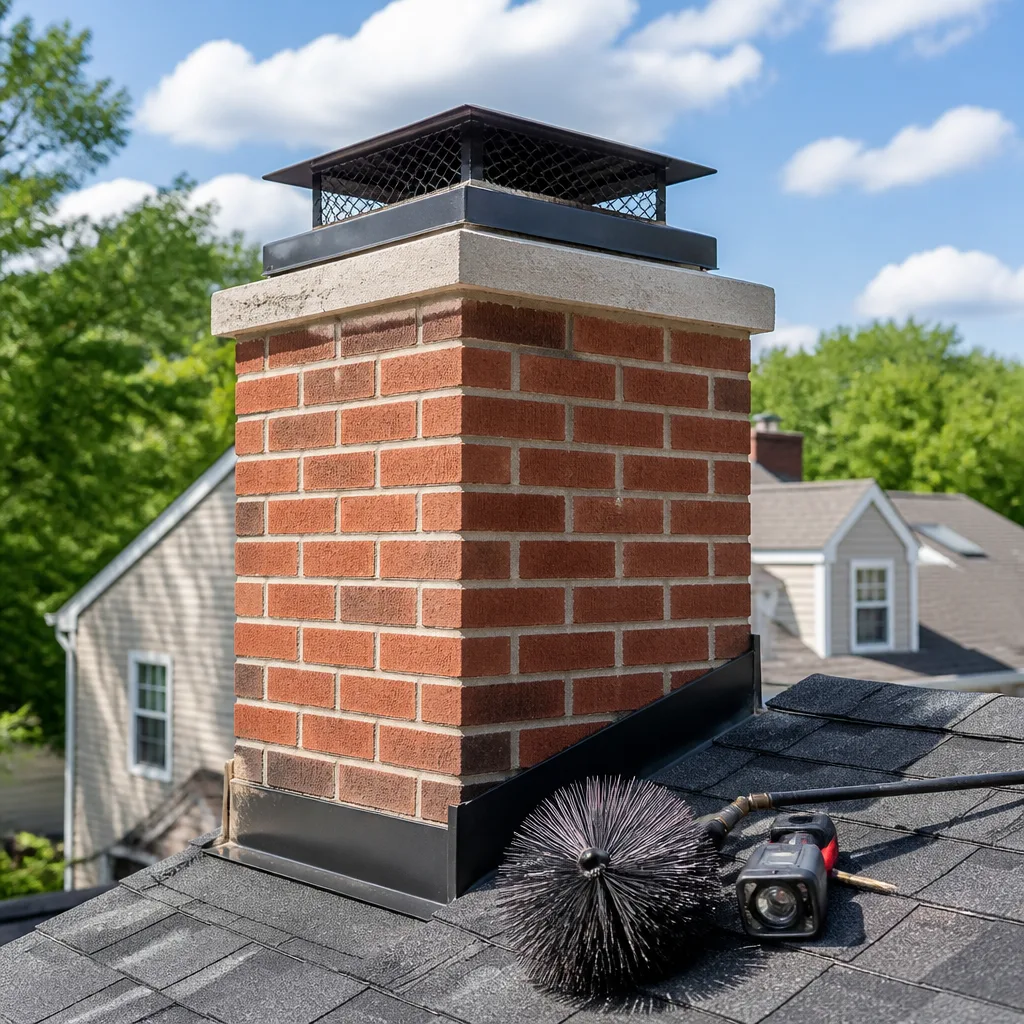
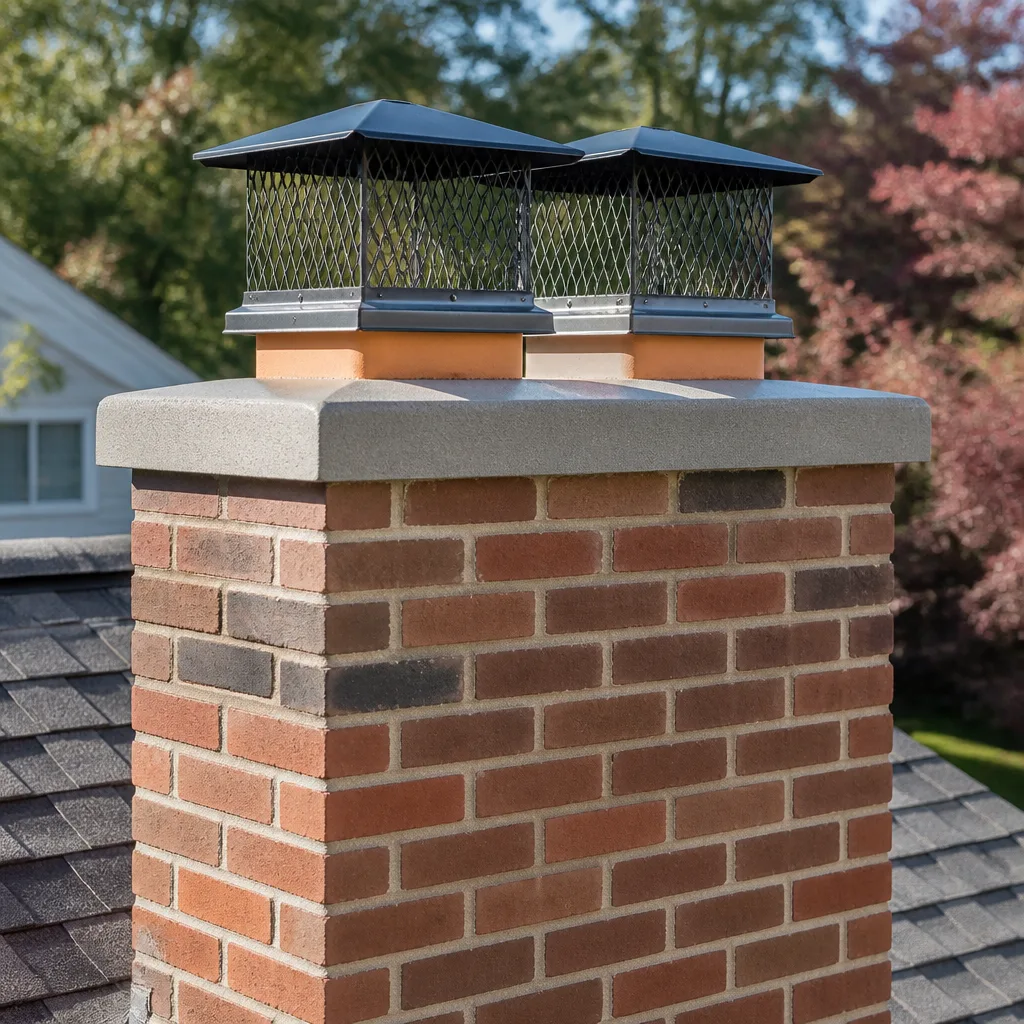
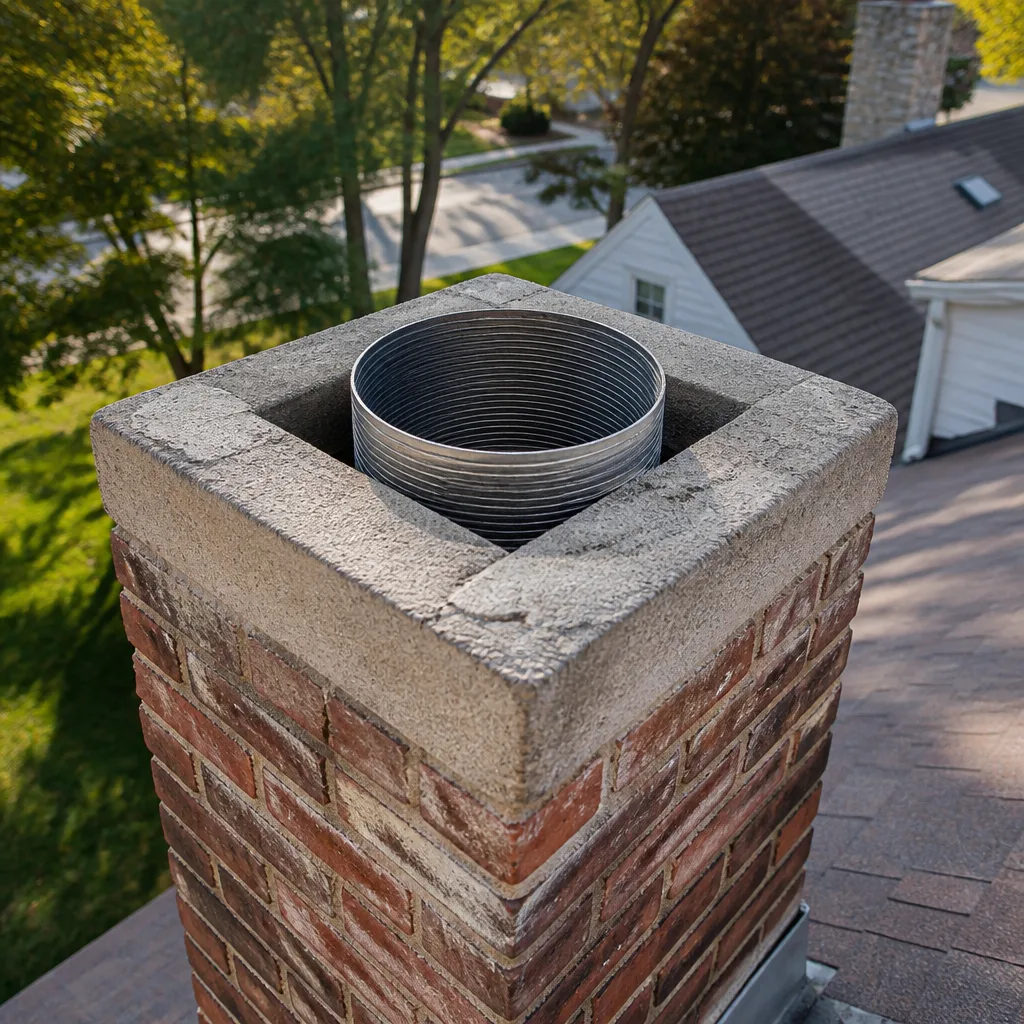
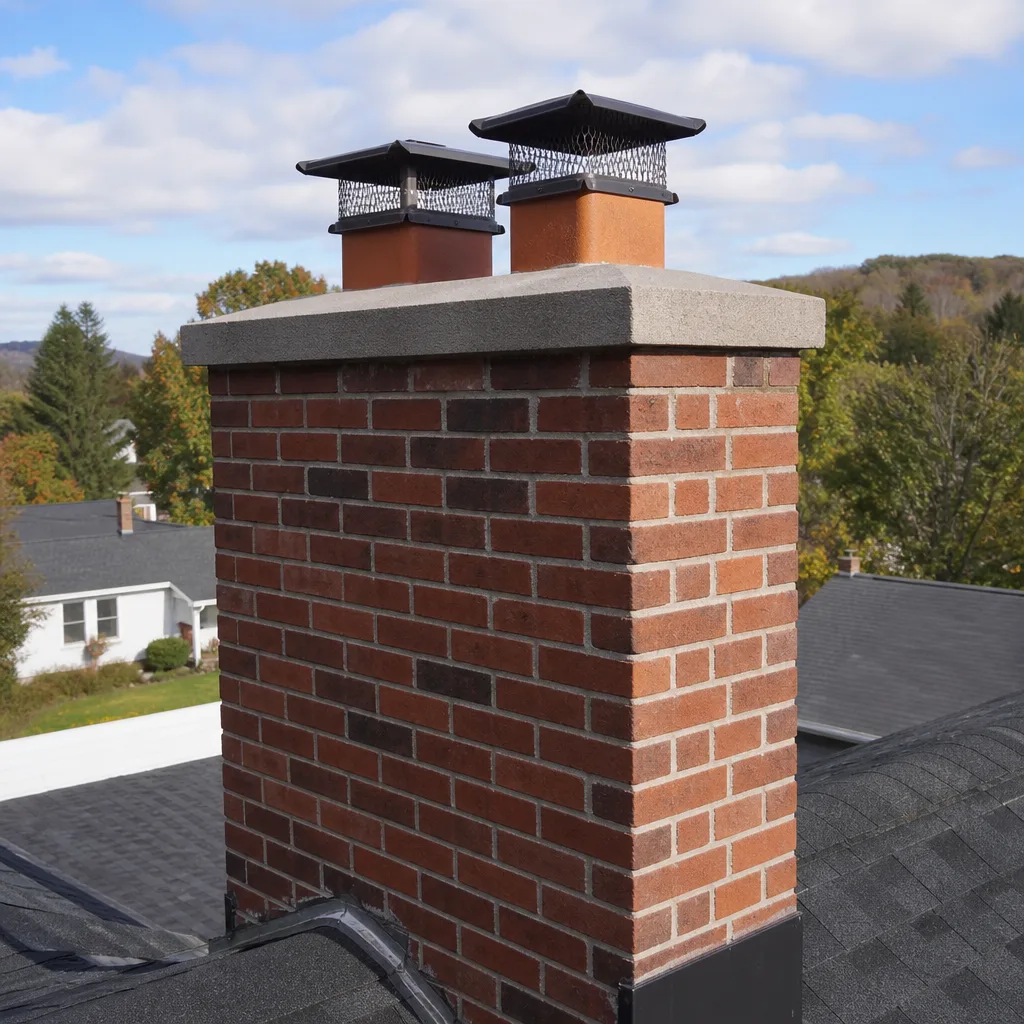
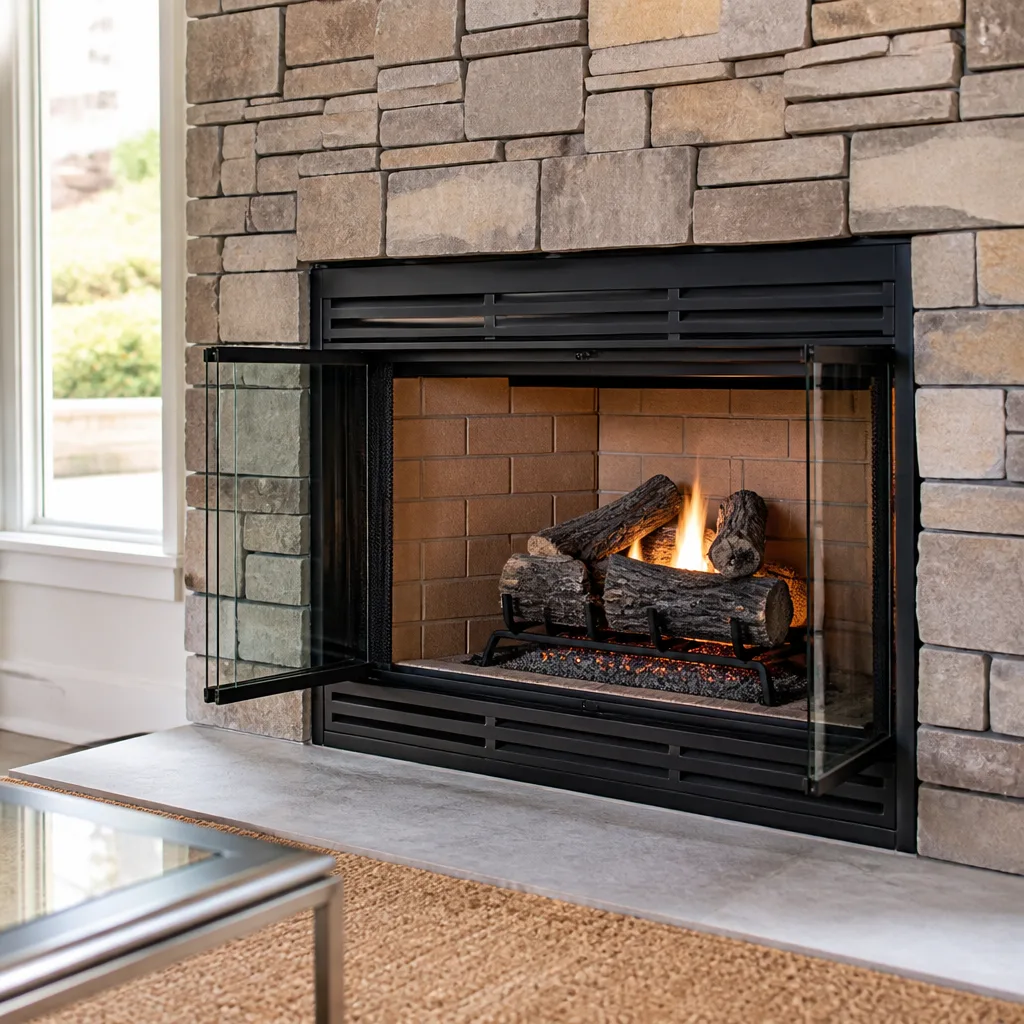
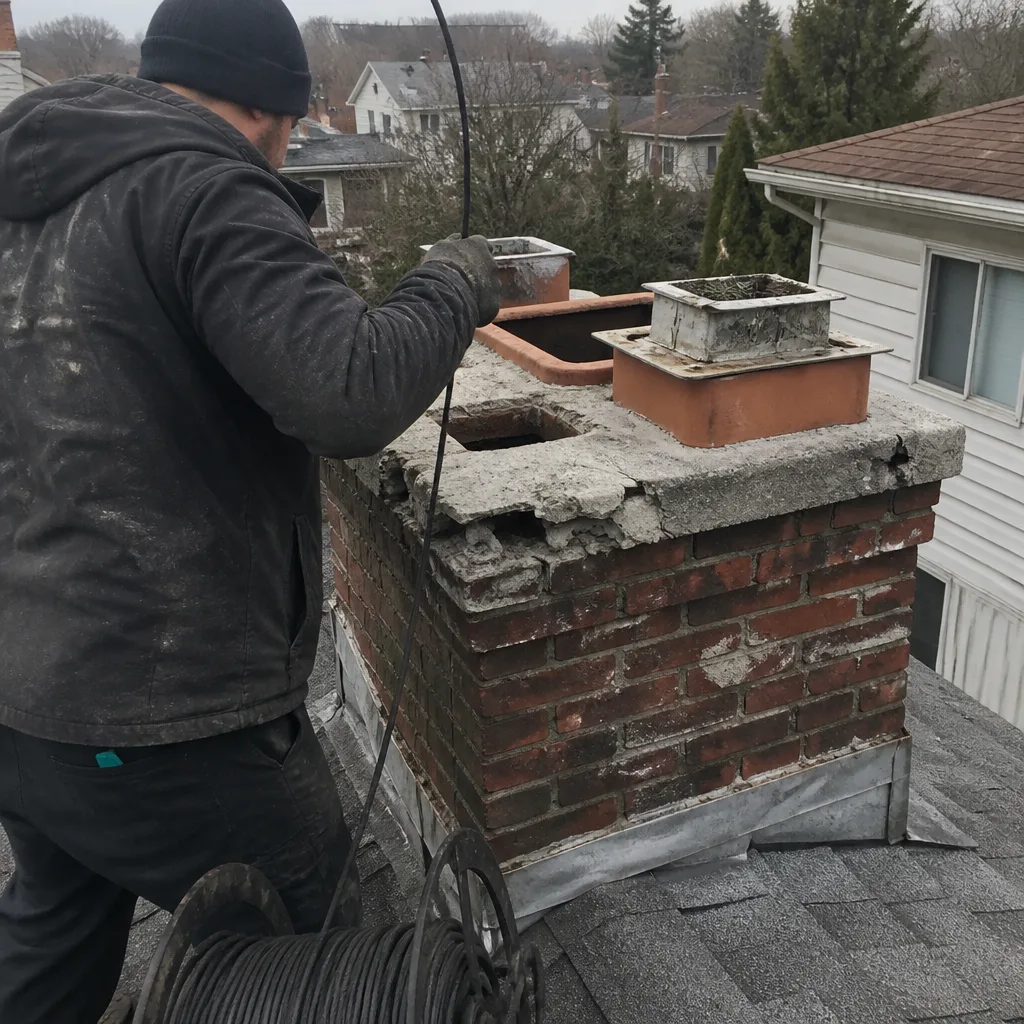 Before
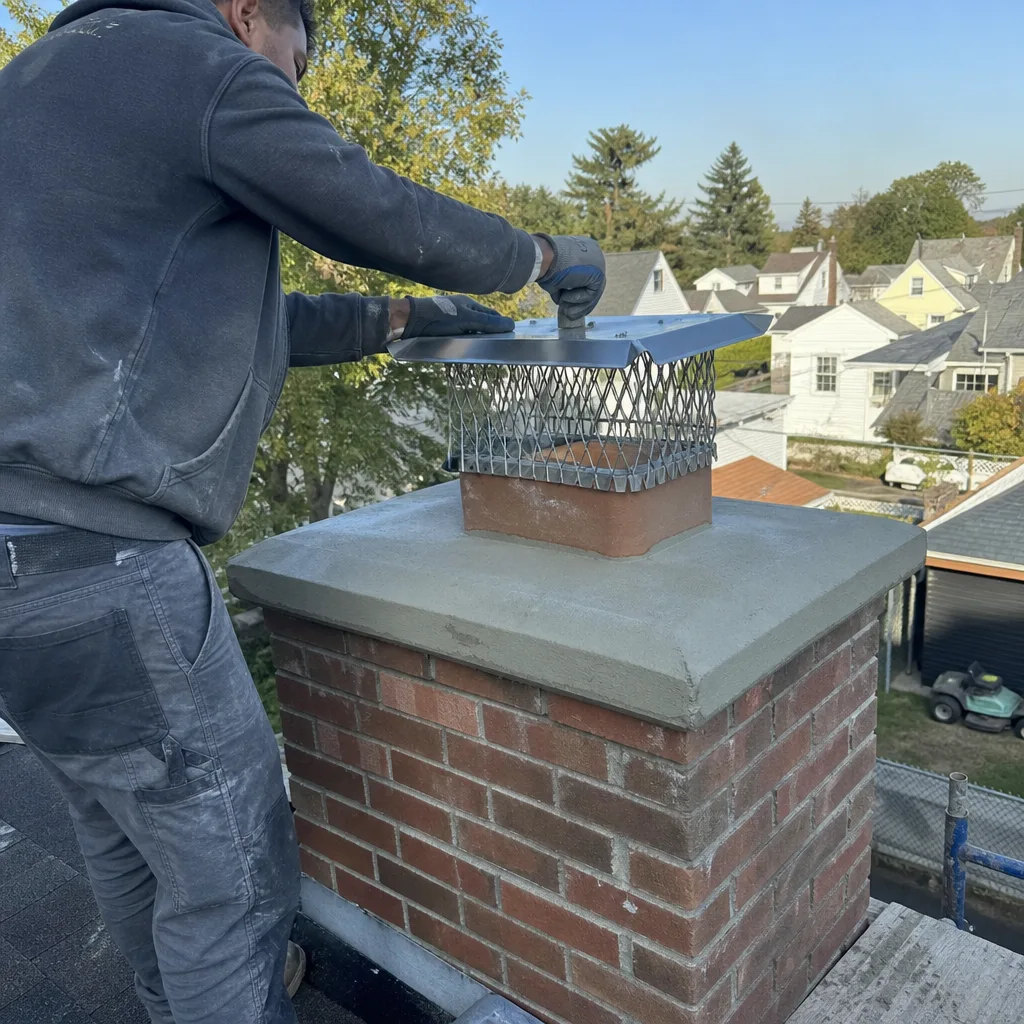 After
After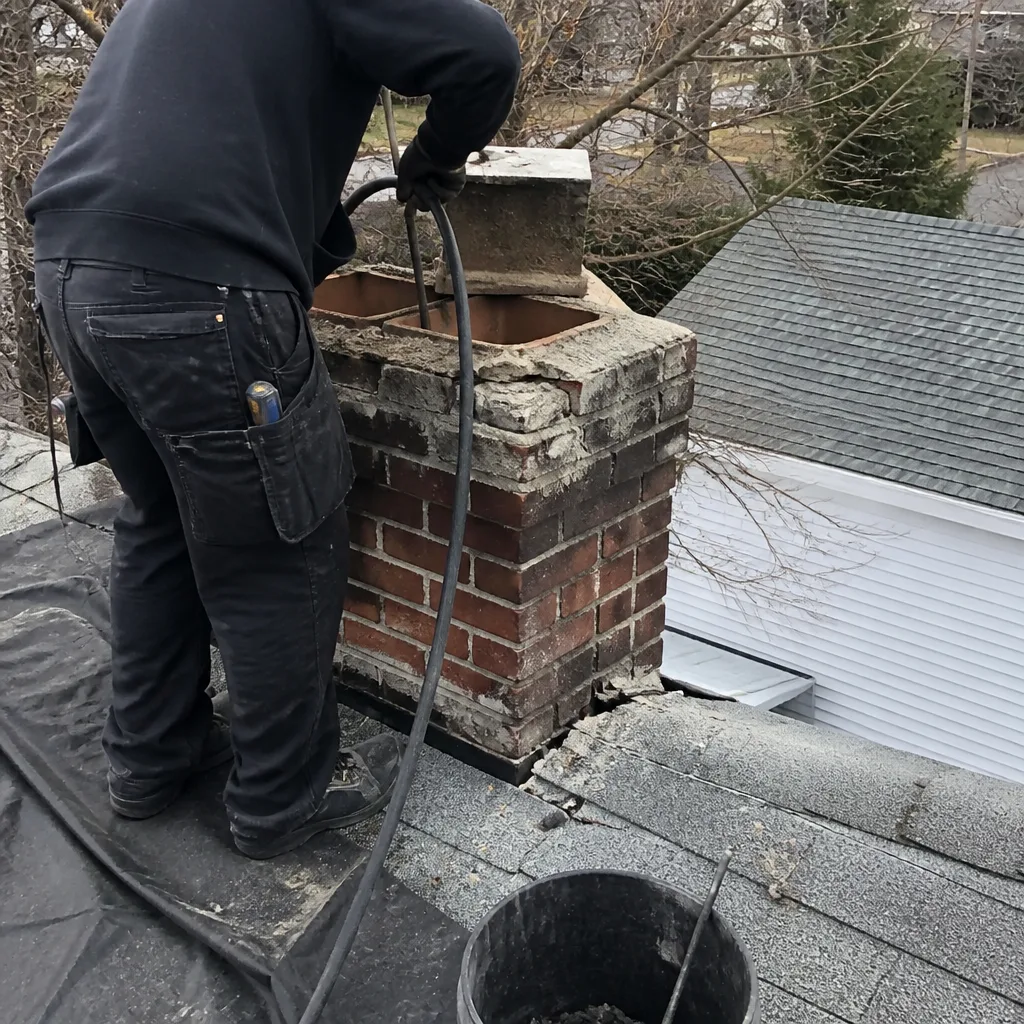 Before
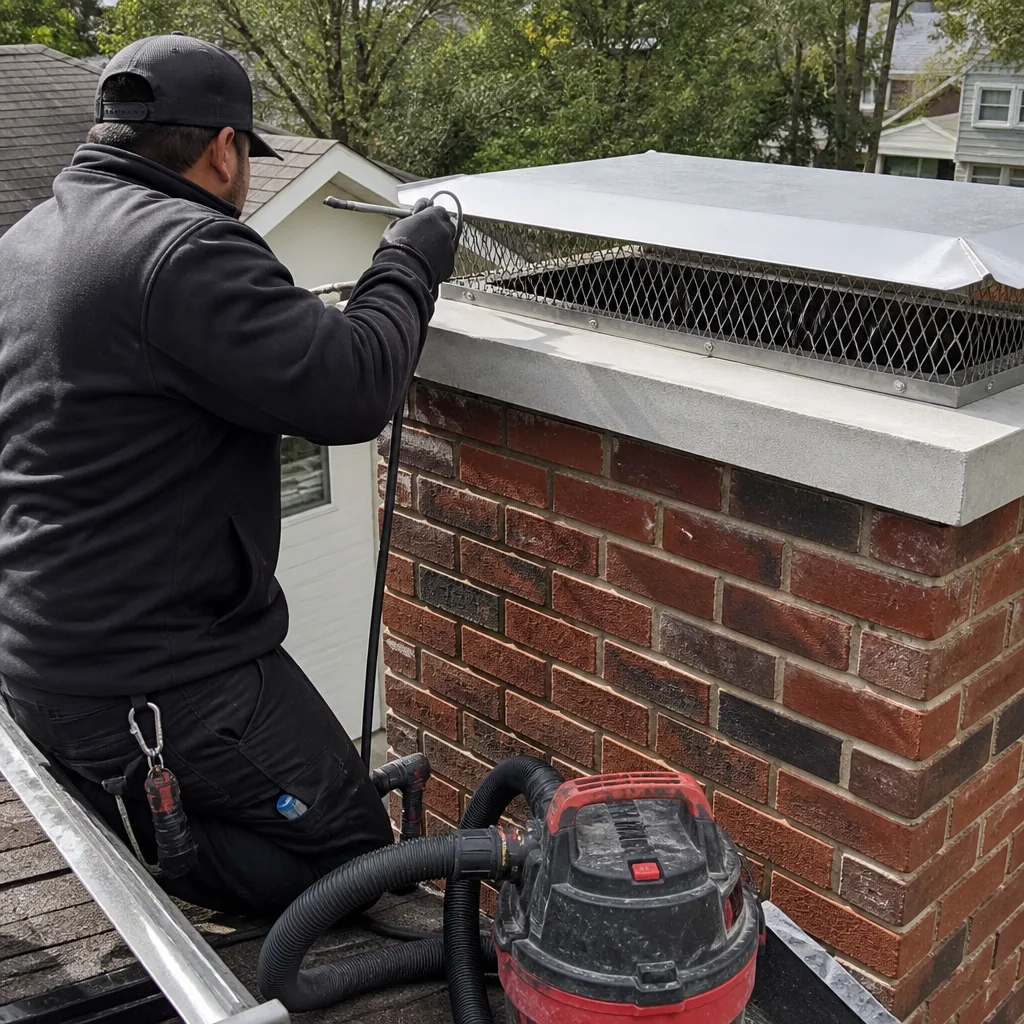 After
After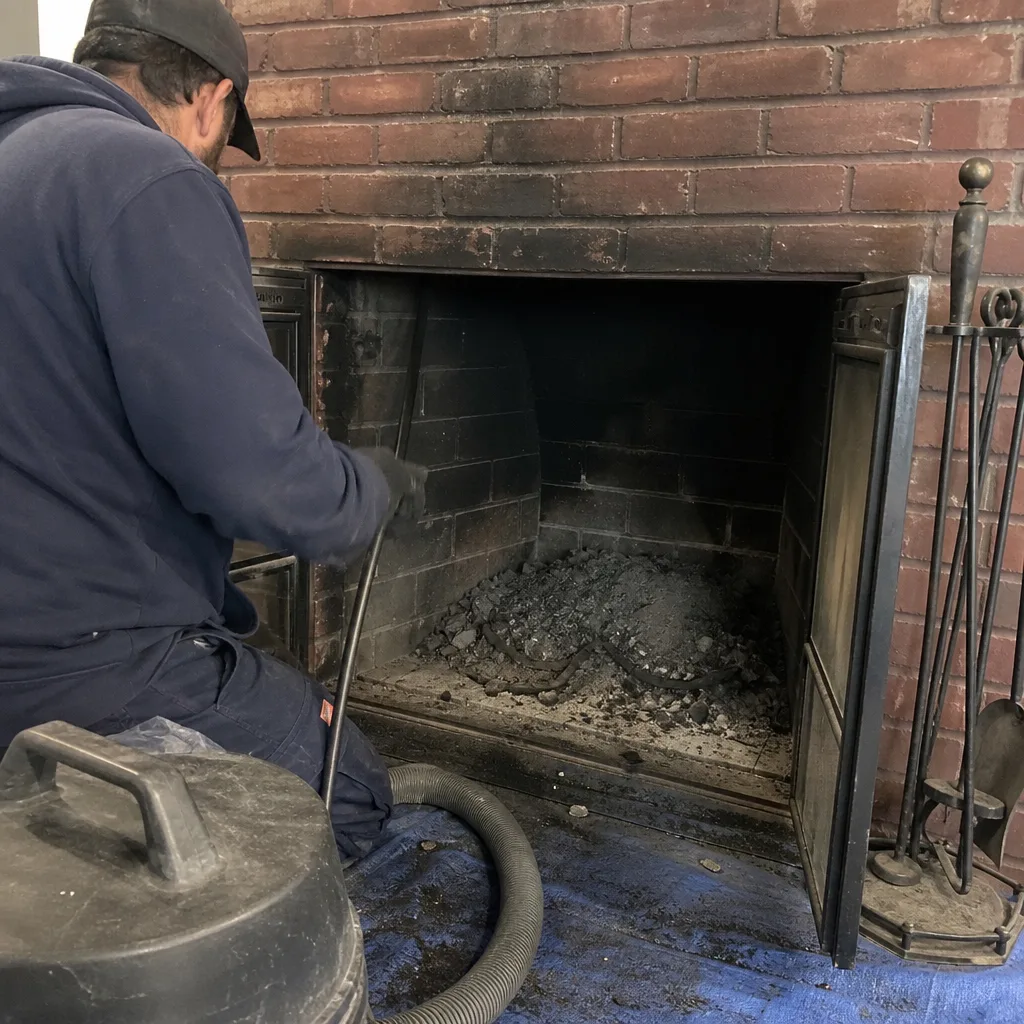 Before
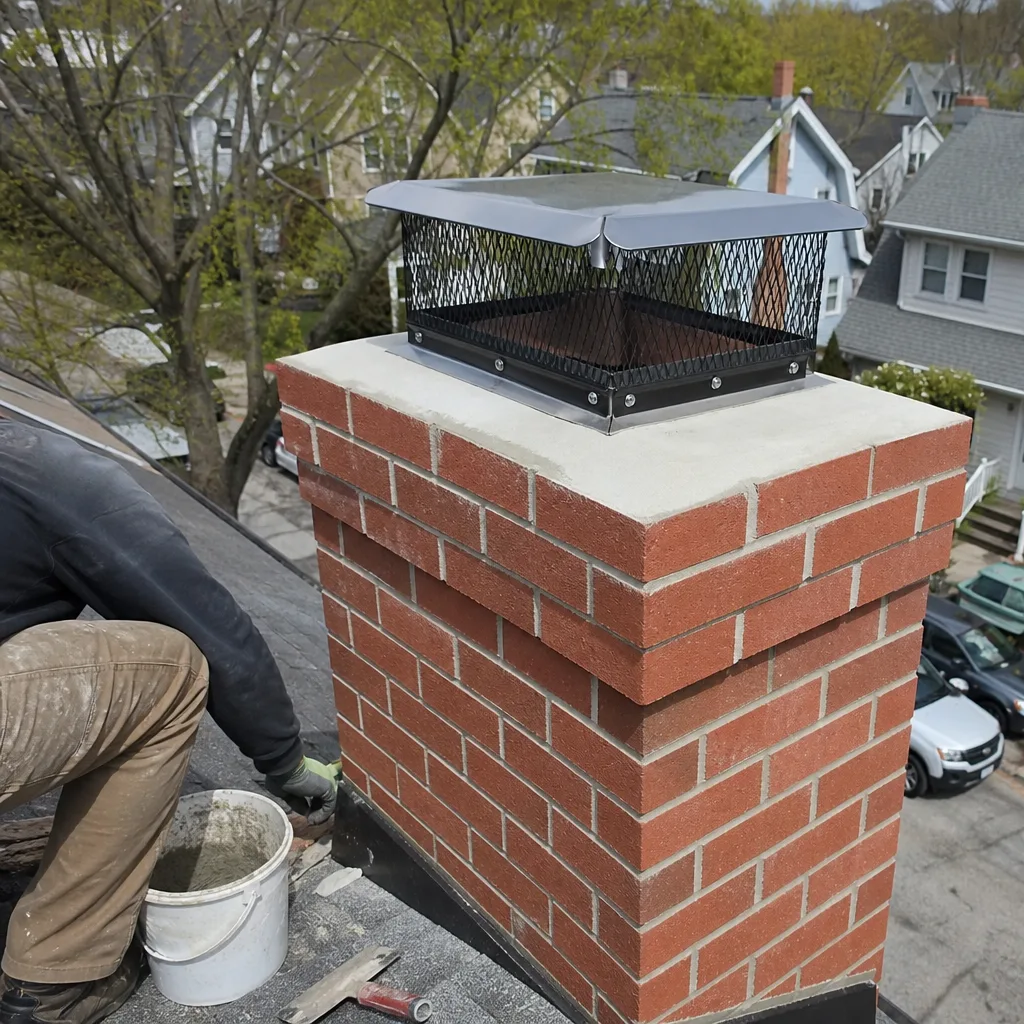 After
AfterChimney Cleaning & Sweep Maintenance Checklist for Flushing Homeowners
Most chimney checklists online were written for a homeowner with a new prefab fireplace in the suburbs - not for a 1948 brick colonial in Queens with a flue that’s been patched twice and vented three different appliances over the decades. In Flushing, where homes span from pre-war masonry stacks to 1980s renovation inserts to oil-to-gas conversions that left original terracotta liners handling modern exhaust temperatures, a generic printout will miss the problems that actually matter. This guide - alongside The Complete Guide to Chimney Cleaning in Flushing - organizes maintenance by what you actually own and when each task genuinely matters in our climate, so you stay ahead of problems instead of checking boxes that don’t apply.
Quick Answer
A proper chimney maintenance checklist for Flushing homeowners includes annual professional sweeping for active fireplaces, twice-yearly visual inspections you can do from inside the house, seasonal checks of the damper and cap before first use, and documented camera inspection every 2-3 years to establish a baseline for comparison. Masonry fireplaces, prefab inserts, and converted oil-to-gas flues each need different maintenance rhythms and different warning signs to watch for.
Table of Contents
- Know Your System: Three Chimney Types Common in Flushing
- The Homeowner’s Seasonal Checklist (What You Can Check From Inside)
- What Professional Sweeping Covers (And What It Doesn’t)
- Flushing-Specific Warning Signs: Spalling, Efflorescence, and Damper Wear
- Prefab Inserts vs. Masonry: Different Maintenance Rhythms
- Documenting Your Chimney: The Tracking Log That Protects You
- Common Mistakes to Avoid
- When to Call a Professional
- Frequently Asked Questions
Know Your System: Three Chimney Types Common in Flushing
Before any checklist makes sense, you need to know what you’re maintaining. In Flushing, we see three distinct systems, and each one changes what “annual maintenance” actually means.
Masonry Fireplaces (Pre-1960s and Many Post-War Homes)
These are the brick or block chimneys with terracotta flue liners, common in Whitestone, Murray Hill, and the older sections of Flushing proper. They’re built to vent wood or coal fires, and many were later adapted for oil then gas. The masonry itself is the structure - the flue liner is the critical protective layer inside it.
What to know: The mortar between flue tiles degrades from the inside out. You won’t see this until a Level-2 camera inspection looks up the flue. In our experience, Flushing masonry chimneys that vented oil for 30 years then converted to gas often have liner damage that wasn’t obvious because oil exhaust was wet and masked the cracks. Gas exhaust is dryer and hotter - it exposes problems that were already there.
Prefab Fireplace Inserts (1980s-1990s Renovations)
These metal-box systems were installed during the renovation boom in North Flushing and Bayside. They’re essentially appliances - metal fireboxes with metal flue pipes running inside a framed chase, often sided to look like masonry.
What to know: These have manufacturer-specific maintenance requirements, and parts go out of production. A 1987 Heatilator or Superior insert may need a chase cover or damper assembly that hasn’t been made in fifteen years. The checklist for these includes verifying part availability before something breaks in January.
Oil-to-Gas Conversions with Original Flues
Thousands of Flushing homes converted from oil to gas heating in the 1990s and 2000s, often without relining the chimney. The original terracotta liner, sized for oil exhaust, now handles gas exhaust that’s more acidic and carries more moisture.
What to know: This is the highest-risk category we see. Gas exhaust cools faster than oil exhaust as it rises. In a tall Flushing chimney, especially on a north-facing exterior wall, that cooling happens before the exhaust exits. Condensation forms, acid forms, liner deterioration accelerates. The NFPA 211 standard requires proper sizing and often a new liner for gas appliances - but many conversions were done before this was widely enforced in Queens.
Key distinction: Masonry systems need liner inspection. Prefab systems need chase and termination inspection. Converted flues need sizing verification and often relining. One checklist does not fit all.
The Homeowner’s Seasonal Checklist (What You Can Check From Inside)
You don’t need to get on the roof. These checks take ten minutes, twice a year - once in September before heating season, once in April after shutdown.
September Pre-Season Check
- Open the damper fully. It should move smoothly and seat completely when closed. If it sticks, grinds, or won’t seal, that’s a draft and carbon monoxide risk. Don’t use the fireplace until it’s fixed.
- Look up the flue with a flashlight. You’re checking for obstructions - bird nests, squirrel debris, or a detached chimney cap that fell down. In Flushing, we’ve found everything from raccoon bedding to collapsed flue tiles blocking the passage. If you see blockage, don’t attempt removal. Creosote buildup looks like black, tarry glaze or flaky deposits. A thin dusting is normal; thick buildup needs professional sweeping.
- Check the firebox for cracks or missing mortar. In masonry fireplaces, the firebrick takes direct heat. Spalling (flaking or crumbling) firebrick lets heat reach the surrounding structure. A crack wider than a nickel, or missing mortar joints, means repair before use.
- Inspect the hearth extension. The non-combustible surface in front of the fireplace should be intact, with no cracks that could let sparks through to wood flooring.
- Test smoke and CO detectors. Not technically chimney maintenance, but if you’re lighting fires, these are your backup safety layer. Test them.
April Post-Season Check
- Close the damper tightly. This prevents conditioned air from escaping all summer and keeps out animals seeking nesting sites. In Flushing’s mature tree canopy, squirrels are active April through June.
- Look for water signs. Check the firebox floor and hearth for white powder (efflorescence), rust stains, or dampness. Any of these means water is getting in - through the crown, cap, or flashing - and doing damage during freeze-thaw cycles.
- Note any new odors. A musty smell from the fireplace in summer usually means moisture + organic debris. A sour, sharp smell can indicate creosote reacting with humidity. Both mean it’s time for a sweep and inspection.
- Photograph the firebox and damper. Date the photos. This year’s “normal” is next year’s comparison baseline.
What homeowners should never do: Attempt to clean the flue from above, disassemble a prefab unit to inspect the chase, or apply sealants or “chimney cleaning logs” that claim to replace professional sweeping. We’ve seen DuraFlex liners damaged by chemical treatments, and we’ve seen homeowners fall from roofs in Fresh Meadows and Auburndale trying to save a sweep fee. The work that requires a ladder or enters the flue belongs to our Chimney Cleaning & Sweep services - professionals with proper equipment and insurance.
What Professional Sweeping Covers (And What It Doesn’t)
Professional chimney sweeping in Flushing should include specific, documentable steps. Knowing what those are helps you evaluate whether you’re getting full service or a quick brush-and-vacuum.
What Full Sweeping Includes
- Pre-inspection of accessible areas: The sweep examines the firebox, damper, smoke chamber, and accessible flue sections before starting. This identifies structural issues that sweeping alone won’t fix.
- Mechanical brushing of the flue: Poly or wire brushes sized to your flue diameter, rotated on rods to dislodge creosote and soot. For masonry flues, this means matching the brush to the flue tile shape - square, rectangular, or round. For prefab metal flues, specialized softer brushes prevent liner damage.
- Soot and debris removal: Industrial vacuum with HEPA filtration, run continuously during brushing to contain fine particulate. The work area should be protected with drop cloths.
- Smoke chamber and firebox cleaning: Often skipped by cut-rate services, but this is where significant creosote accumulates and where many chimney fires start.
- Level-1 visual inspection: NFPA 211 standard inspection of readily accessible portions of the chimney exterior and interior, plus connected appliances.
What Sweeping Does NOT Include (And Often Needs To)
Sweeping removes combustible deposits. It does not repair structural damage, replace deteriorated liners, or verify proper appliance venting. In Flushing’s older housing stock, we regularly find that a “clean” chimney still has:
- Cracked or shifted flue tiles that need relining with a stainless system like DuraFlex
- Improperly sized flues for converted appliances that need measurement and correction
- Deteriorated chimney crowns that need repair with materials like HeatShield CrownSeal
- Corroded chase covers on prefab units that need replacement with proper galvanized or copper fabrication
This is why we bundle chimney cleaning and sweep service in Flushing with camera inspection - so the condition of what the brush touched is documented, not guessed at.
Frequency: The National Fire Protection Association recommends annual inspection for all chimneys, and sweeping “as necessary” - which for active wood-burning fireplaces in Flushing’s climate means annually, and for gas appliances with proper venting means inspection annually with sweeping every 2-3 years unless debris or deterioration is found.
Flushing-Specific Warning Signs: Spalling, Efflorescence, and Damper Wear
Queens’ climate does specific damage to chimneys. Freeze-thaw cycles, salt air influence, and the particular construction eras of Flushing housing create patterns we’ve learned to read.
Spalling Brick Above the Firebox
Look at the exterior brick directly above your fireplace, if visible from a window or yard. Spalling - the surface of the brick flaking or popping off - happens when moisture gets into the brick, freezes, and expands. In Flushing, this is most common on:
- North-facing exposures that stay shaded and damp
- Chimneys with failed crowns that let water down the flue
- Homes where the original parging (interior mortar wash) has degraded, letting flue gases condense against the brick
Spalling is not cosmetic. Each flaked brick face reduces structural integrity. In severe cases we’ve seen in Pomonok and Kew Gardens Hills, spalling progresses to the point where repointing isn’t enough - the chimney needs partial rebuild. Caught early, crown repair and waterproofing with a vapor-permeable sealant stops the progression.
White Efflorescence on the Exterior
That white, chalky staining on brick is salt crystallization - water carrying dissolved minerals to the surface, where it evaporates and leaves the salts behind. It means water is moving through the masonry. In Flushing’s older brick, which was often fired at lower temperatures than modern brick, this water movement also carries freeze-thaw damage.
Efflorescence on a chimney is never “just aging.” It indicates a water entry point: crown crack, missing cap, deteriorated flashing, or porous brick. The source needs identification and repair, not just cleaning.
Damper Wear and Corrosion
Flushing’s humidity, combined with acidic gas exhaust in converted systems, corrodes cast-iron dampers from the top down. A damper that “mostly” closes, or that requires force to operate, is a damper that’s failing. The gap it leaves is a year-round energy loss and, in heating season, a potential backdraft path if exhaust fans or range hoods create negative pressure.
Replacement dampers from brands like Gelco or Famco, or top-sealing damper/cap combinations, solve this with better seals than original equipment. But installation requires proper sizing and often firebox modification - not a homeowner project.
Prefab Inserts vs. Masonry: Different Maintenance Rhythms
The 1980s and 1990s renovation wave in Flushing installed thousands of prefab fireplace inserts. Homeowners often maintain them like masonry systems, or ignore them as “just a metal box,” and both approaches miss the mark.
Prefab Systems: What to Track
| Component | What to Check | Typical Lifespan | Replacement Challenge |
|---|---|---|---|
| Chase cover | Rust, pooling water, improper pitch | 15-20 years (galvanized), 30+ (copper/stainless) | Custom fabrication needed; original sizes often discontinued |
| Firebox panels | Cracks, warping, discoloration | 10-15 years with regular use | Manufacturer must be identified; many brands absorbed or closed |
| Terminations (cap/spark arrestor) | Corrosion, missing screws, animal entry | 10-15 years | Must match flue pipe diameter exactly |
| Glass doors/gaskets | Seal integrity, glass etching | 5-10 years for gaskets | Generic replacements often don’t seal properly |
Prefab maintenance rhythm: Annual inspection, with specific attention to the chase cover before winter and the termination after any severe weather. Every five years, plan for potential chase cover replacement. Keep records of the manufacturer and model - we use these to source parts through distributors like Copperfield when original channels have closed.
Masonry Systems: What to Track
Masonry maintenance is more about the structure and liner than any single component. The rhythm:
- Annual: Sweeping if wood-burning; inspection regardless of fuel type
- Every 2-3 years: Level-2 camera inspection to document liner condition, especially after any seismic event or severe freeze-thaw winter
- Every 10-15 years: Crown evaluation and potential rebuild; repointing of mortar joints showing erosion deeper than 1/2 inch
- As needed: Waterproofing with vapor-permeable treatment (never film-forming sealers that trap moisture)
The critical difference: Masonry problems develop slowly and can often be monitored. Prefab problems tend to be sudden - a rusted-through chase cover in a February ice storm, a cracked firebox panel that lets heat escape to the framing. Prefab owners need more vigilant annual inspection because there’s less warning.
Documenting Your Chimney: The Tracking Log That Protects You
This is the information gain that almost no competitor provides: a system for documentation that protects you from unnecessary repairs and establishes value if you sell.
Why Documentation Matters in Flushing
We’ve been in Flushing homes where a previous sweep claimed “the liner is cracked, you need a $4,000 relining” - and the homeowner had no photos, no prior inspection reports, no way to verify whether the crack was new, old, or even present. We’ve also seen sellers lose buyers because they had no maintenance records for a 40-year-old fireplace.
A tracking log turns “trust me” into “show me.” It also lets you compare year to year: Is that stain growing? Is that crack new? Did the sweep note this last time?
The Log Format
Create a simple file - physical folder or cloud storage - with this structure:
- Cover sheet: Address, chimney type (masonry/prefab/converted), fuel type, appliance model and manufacturer if known, year of installation or conversion.
- Annual entry pages: Date of service, company name, technician name, services performed, findings noted, recommendations made, photos attached. Insist on photos from any sweep or inspection - our Level-2 inspections include them as standard, and any sweep with a camera can provide them.
- Homeowner observation log: Date, what you checked, what you saw, photos you took. Note: “September 2024 - damper operates smoothly, slight rust on fireback, no efflorescence visible.”
- Repair and modification records: Invoices, warranties, product specifications for any liners, caps, or dampers installed. Include brand names - DuraFlex, HeatShield, Gelco - so future technicians know what’s in place.
Pro tip for sellers: A documented maintenance history with photos and professional reports is a transferable asset. Buyers’ home inspectors will still inspect, but they’ll also see evidence of responsible maintenance. In Flushing’s competitive housing market, that distinction matters.
Common Mistakes to Avoid
- Assuming the home inspector handled it. Home inspections are visual and general. They don’t clean, don’t camera-inspect flues, and often miss active liner damage. We’ve found critical cracks the week after a home sale closed.
- Using the fireplace “just once” before sweeping. One fire with creosote buildup is all it takes. In Flushing’s tight housing, a chimney fire can spread to adjacent homes before the fire department arrives.
- Hiring based on lowest price without verifying what’s included. A $99 sweep that doesn’t include the smoke chamber, doesn’t inspect the damper, and produces no documentation is not a bargain. It’s a checkbox that leaves problems hidden.
- Ignoring prefab systems because they “look fine.” The chase is framed and sided - damage inside is invisible until it’s severe. We’ve replaced chase covers in Flushing where water had been rotting the framing for three years while the exterior looked normal.
- Applying waterproofing sealers without diagnosis. Trapping moisture inside brick with non-breathing sealers accelerates spalling. Proper waterproofing requires vapor-permeable products and repair of the water entry source first.
- Skipping inspection after fuel conversion. Converting from oil to gas without chimney evaluation is the single most common cause of accelerated liner failure we see. The flue needs sizing verification, often relining, and always documentation.
- Not asking about the sweep’s insurance and CSIA certification. Anyone with a brush can call themselves a sweep. CSIA-certified sweeps carry liability insurance and follow NFPA 211 standards. Ask. Verify.
When to Call a Professional
Call for service before heating season if you haven’t had an inspection in twelve months, if you’ve changed fuels or appliances, or if you’re buying or selling a home. Call immediately if you notice smoke backing up into the room, a strong odor of gas, visible cracks in the firebox, or water actively dripping in the fireplace.
For any of these situations, chimney repair in Flushing needs assessment by a technician with camera inspection capability - surface-looking won’t reveal flue conditions. Hearthstone Chimney Co. offers free estimates in Flushing. A live person answers our phones 24 hours a day, 7 days a week - call (516) 206-6672, and we’ll schedule a time that works for you. Most jobs are completed in a single visit, with no-hassle upfront pricing so the number on the estimate is the number on the invoice.
Frequently Asked Questions
A professional chimney sweep in Flushing typically ranges from $200 to $350 for a standard masonry fireplace, with prefab systems and multi-flue setups sometimes running higher depending on access and condition. This should include brushing, debris removal, and a Level-1 visual inspection; camera inspection and repairs are additional. Call (516) 206-6672 for an exact quote - estimates are free, and our $89 Seasonal Tune-Up covers basic inspection and maintenance for qualifying systems.
Active wood-burning fireplaces need annual sweeping in Flushing’s climate, where our freeze-thaw cycles and humidity accelerate creosote formation. Gas appliances need annual inspection with sweeping every 2-3 years unless debris or deterioration is found. Oil-to-gas conversions need immediate inspection and often more frequent monitoring until liner condition is established. The NFPA 211 standard is clear: inspect annually, sweep as necessary.
You shouldn’t accept a liner recommendation without photographic or video evidence you can see for yourself, plus a clear explanation of why the existing liner fails code or safety standards. At Hearthstone, we document everything with camera inspection and provide a plain-English verdict - no photos, no recommendation. If a sweep claims “it’s cracked” but won’t show you, get a second opinion. We offer free second opinions on any written estimate.
Skipped maintenance leads to creosote buildup that can ignite into a chimney fire, cracked liners that allow carbon monoxide or sparks into wall cavities, and water intrusion that rots framing and damages interior finishes. In Flushing’s attached and close-proximity housing, a chimney fire risks neighboring structures. Carbon monoxide is odorless and lethal. These are not scare tactics - they’re the documented outcomes of neglected maintenance, preventable with annual inspection and timely sweeping.
You can do the homeowner checks in this guide - damper operation, visual flue check, firebox inspection. But flue brushing requires proper brushes sized to your flue, rods that reach the full height, industrial vacuum containment, and the knowledge to recognize damage the brush reveals. More importantly, working on a roof or with extension ladders to access the flue top is genuinely dangerous - falls from height are a leading cause of serious injury in home maintenance. We don’t recommend it, and our insurance requires us to say: this work is for trained professionals with proper equipment.
Level-1 is a visual inspection of readily accessible areas - what a sweep can see during routine service. Level-2 includes camera inspection of the flue interior, accessible portions of the attic and basement for chimney condition, and inspection of all connected appliances. Level-2 is required upon sale or transfer of property, after chimney fire or seismic event, or when changing fuel type. For Flushing’s older housing stock, we recommend Level-2 every 2-3 years even without triggering events, to establish and maintain a documented baseline.
The Bottom Line
A chimney maintenance checklist only works when it’s built around your actual system and your actual conditions. In Flushing, that means knowing whether you have masonry that needs liner monitoring, a prefab insert that needs chase and parts tracking, or a converted flue that needs sizing verification. It means doing the visual checks you can do safely from inside, documenting what you find, and pairing that with professional sweeping and camera inspection on a schedule that matches your fuel type and usage. Done right, this approach prevents the emergencies that cost thousands and threaten safety. Done poorly or generically, it gives false confidence while real problems develop unseen. For more guides & resources specific to Queens homes, explore our blog.
We’ve served Flushing and surrounding Queens communities for over 42 years. Our approach hasn’t changed: photos you can see, a plain-English verdict, and work backed by the 90-Day Done Right Promise in writing with no arguing. If it’s not right, we make it right. That’s the Keystone Standard - Krafted right, Every time, Your home first, Standing behind it.
For chimney cleaning, repair, or a free estimate on any of the work described here, call (516) 206-6672. A live person answers, 24 hours a day, 7 days a week. Or visit our Hearthstone Chimney Co. home page to learn more about our services, including fireplace services in Flushing.
Written by Russell Haines, Owner at Hearthstone Chimney Co., serving Flushing since 2014.