
Last updated September 10, 2026
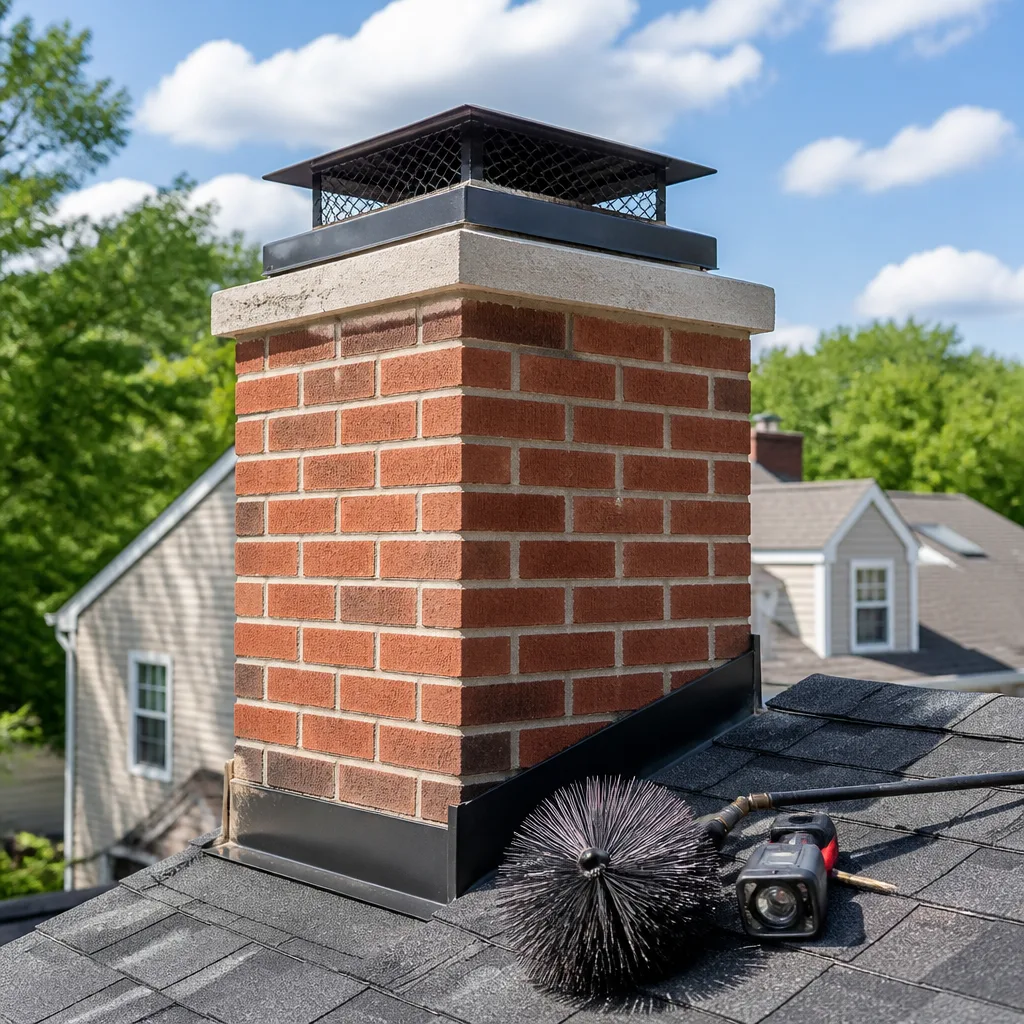
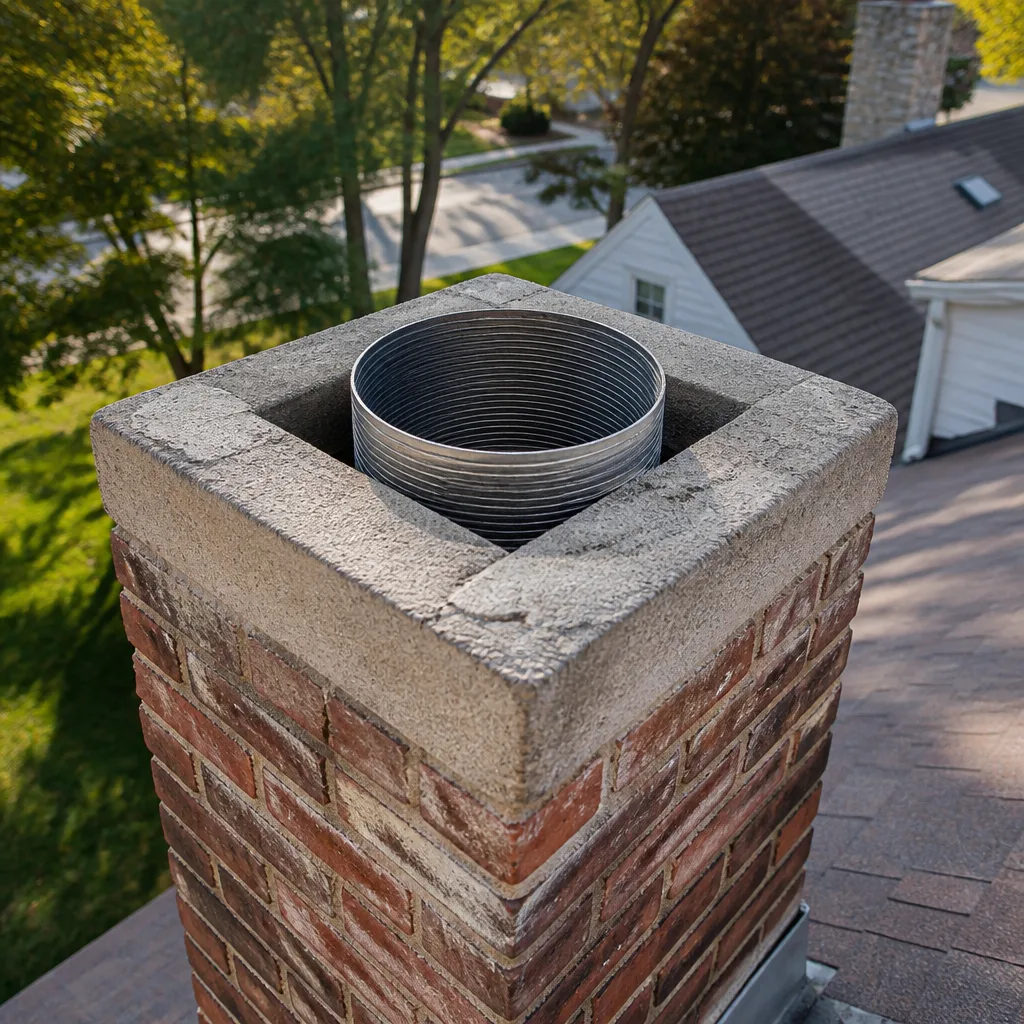
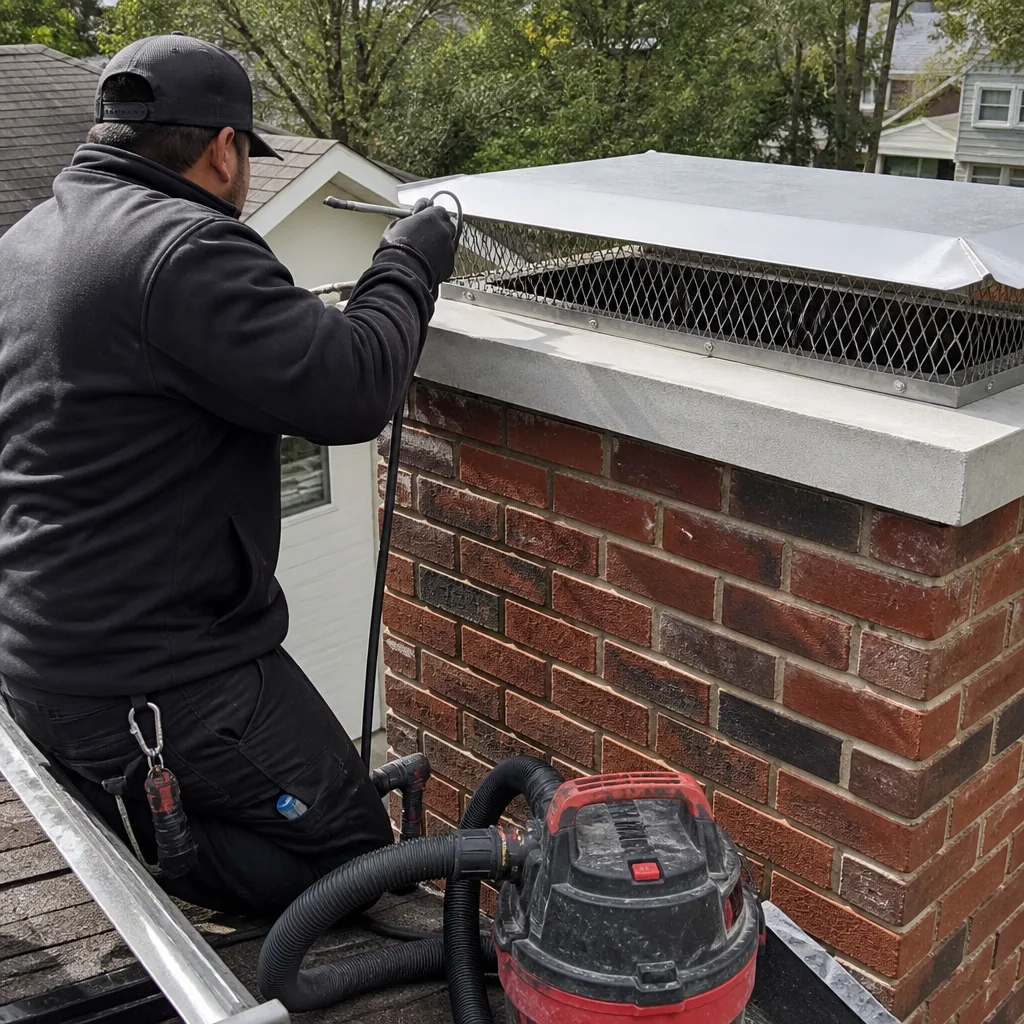
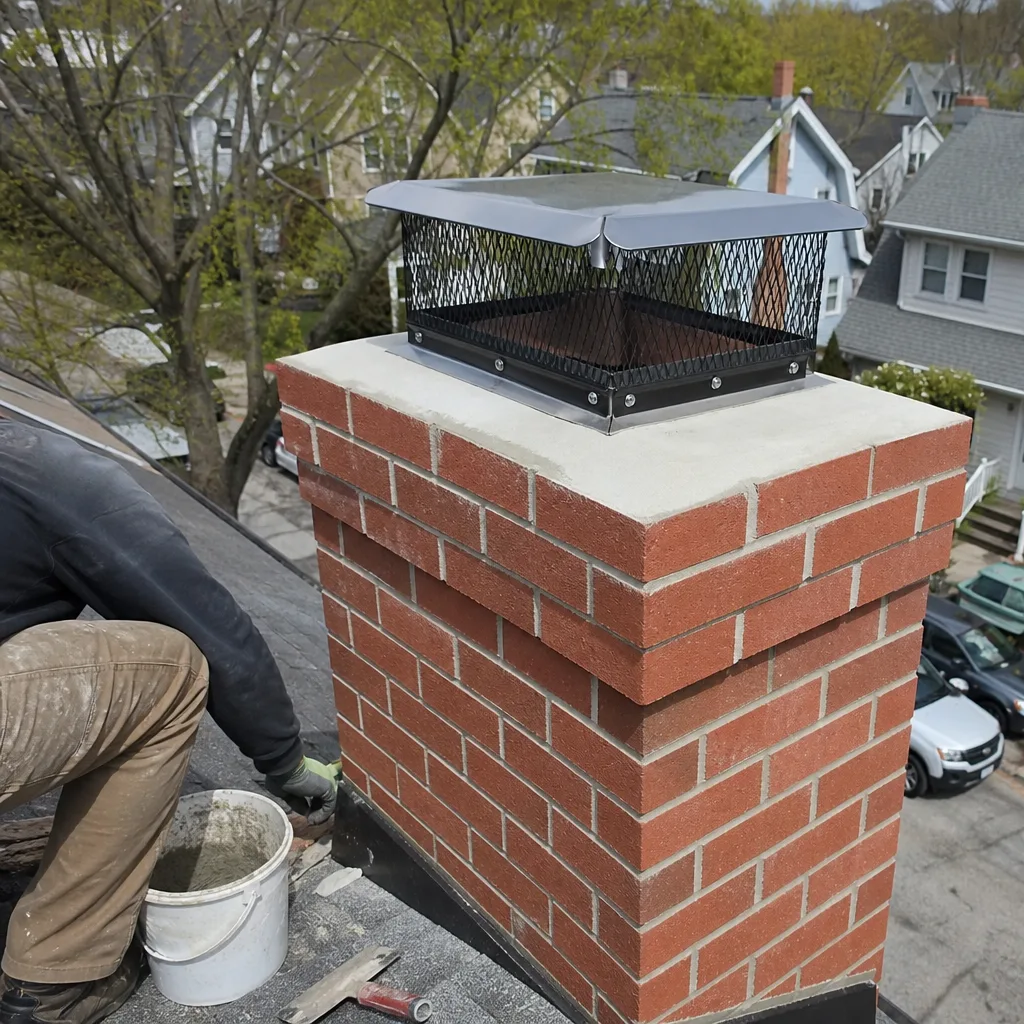
Level 1 sweep and inspection to the NFPA 211 annual standard - flue, crown, cap, and flashing checked and photographed
Chimney sweep logs do not sweep chimneys. They loosen some creosote - which then falls where a brush and vacuum still have to collect it.
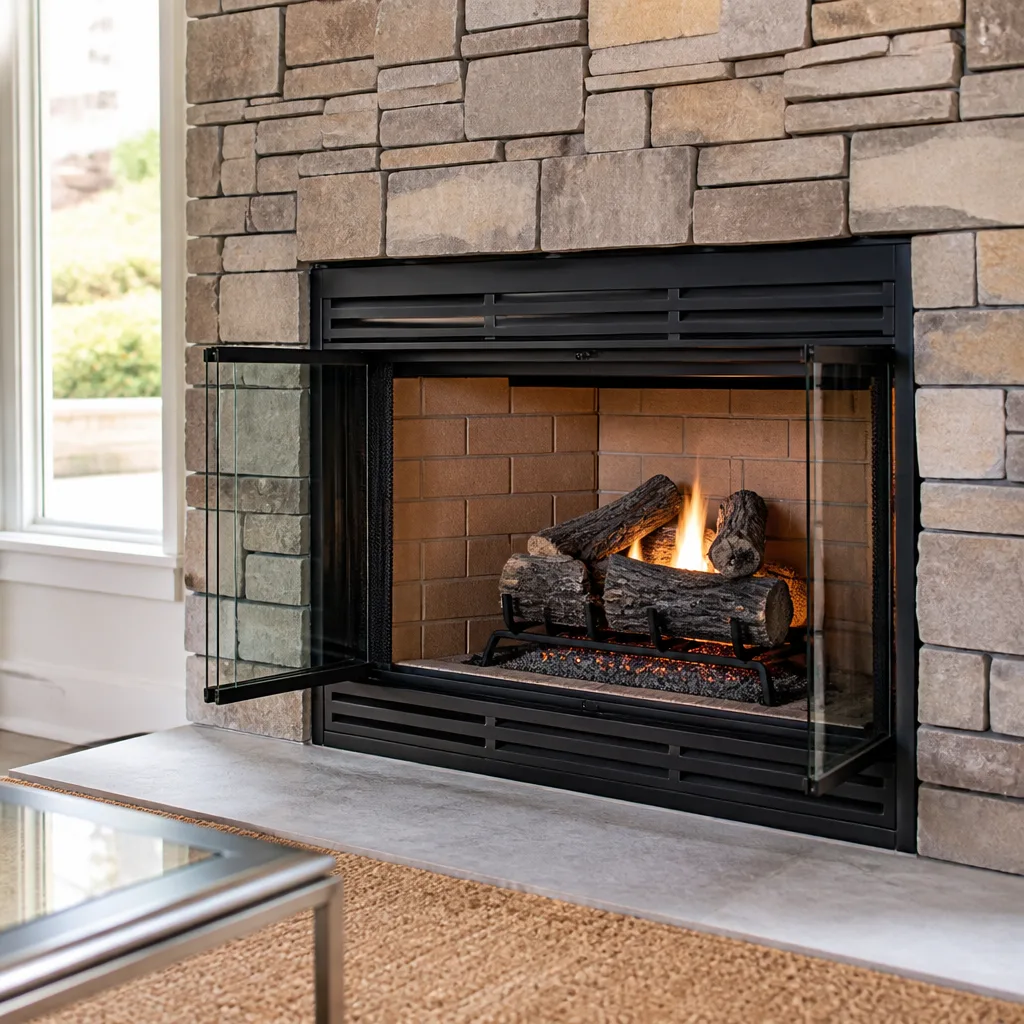
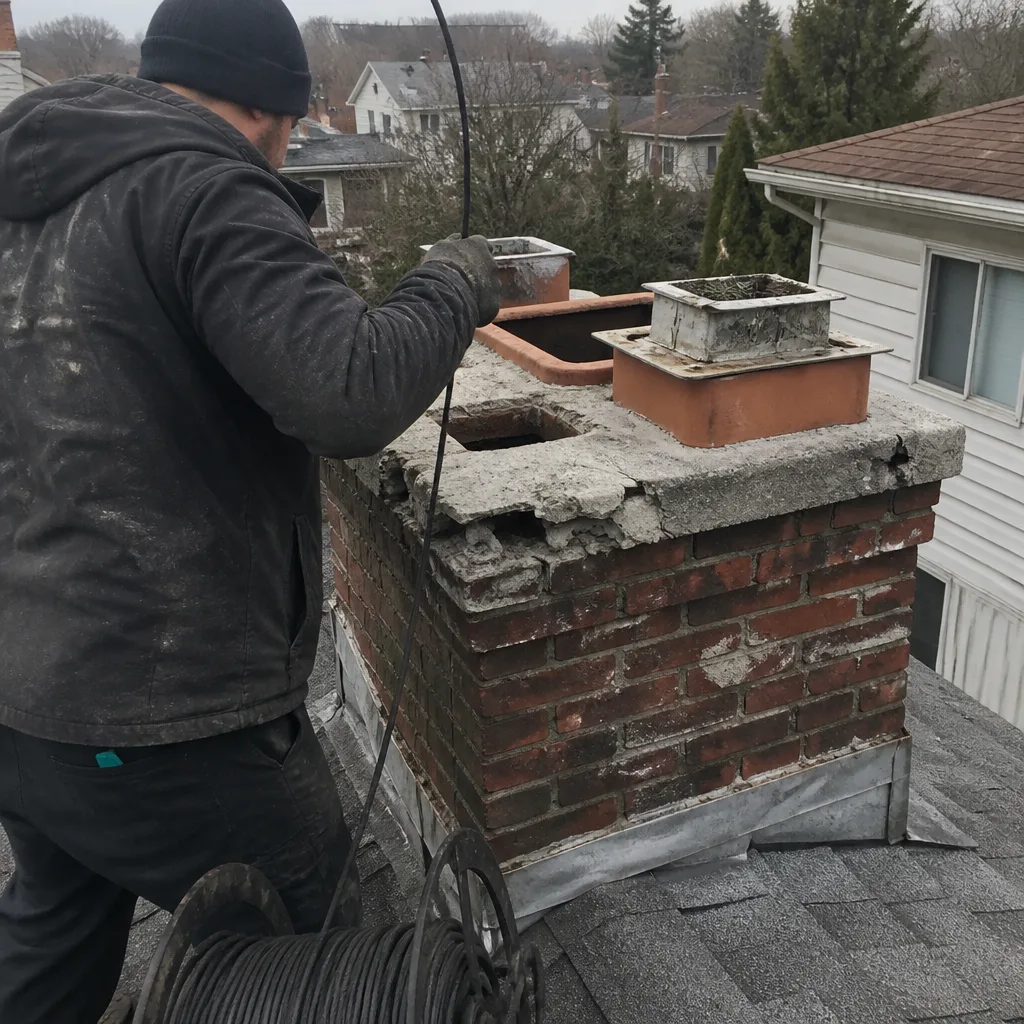 Before
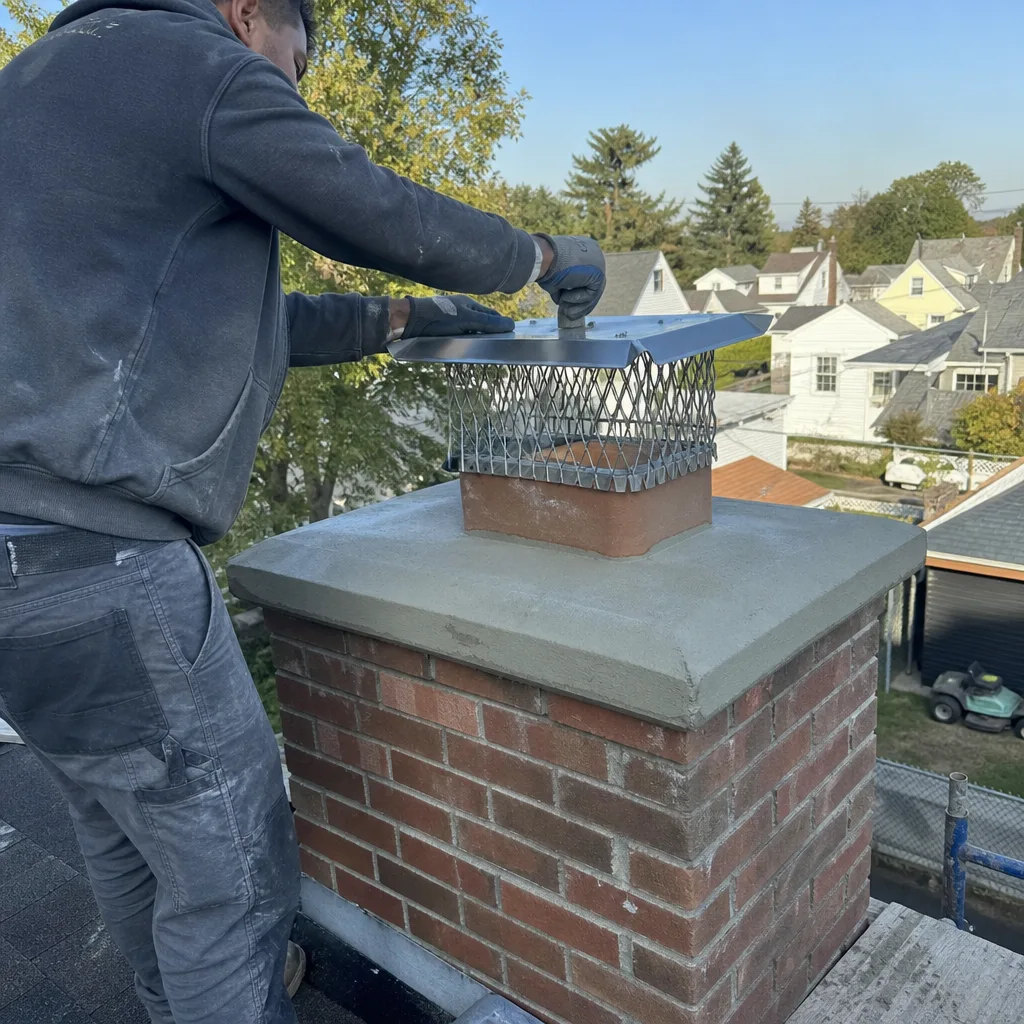 After
After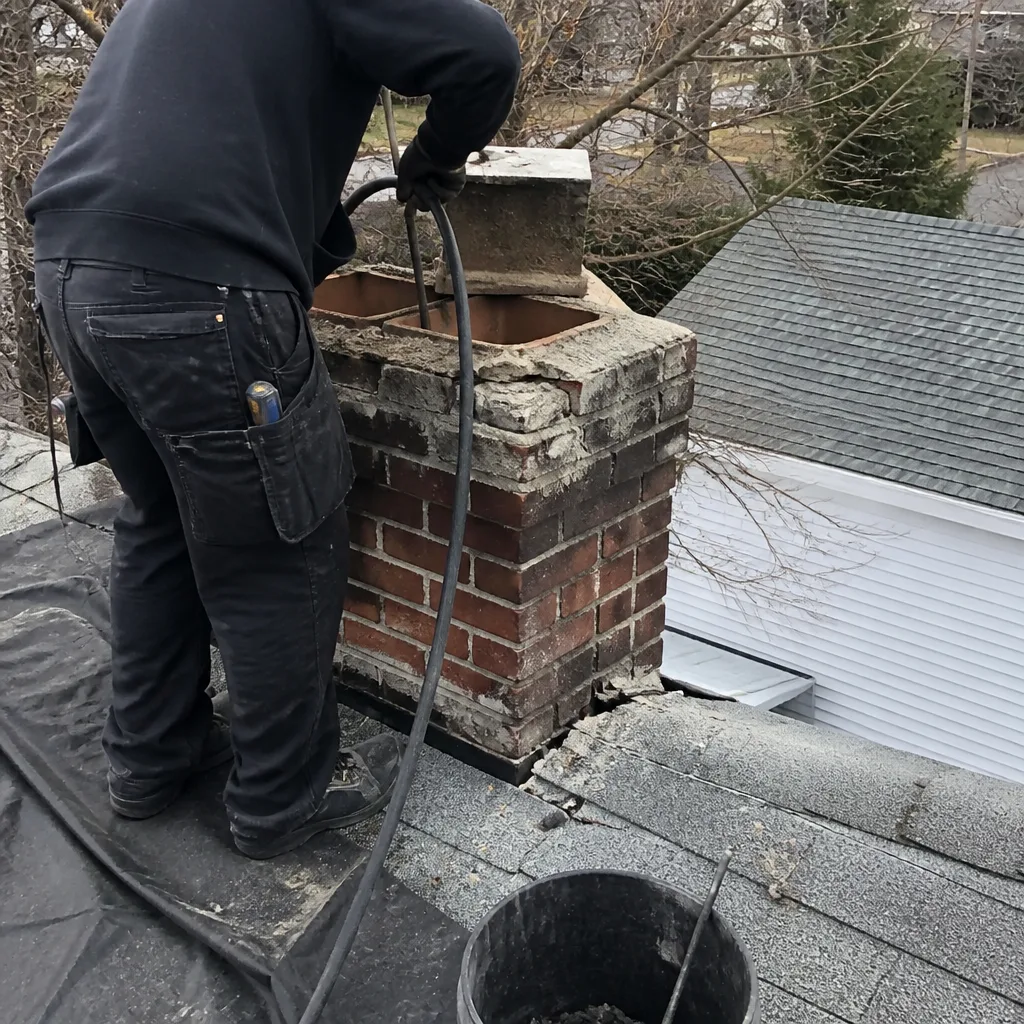 Before
 After
After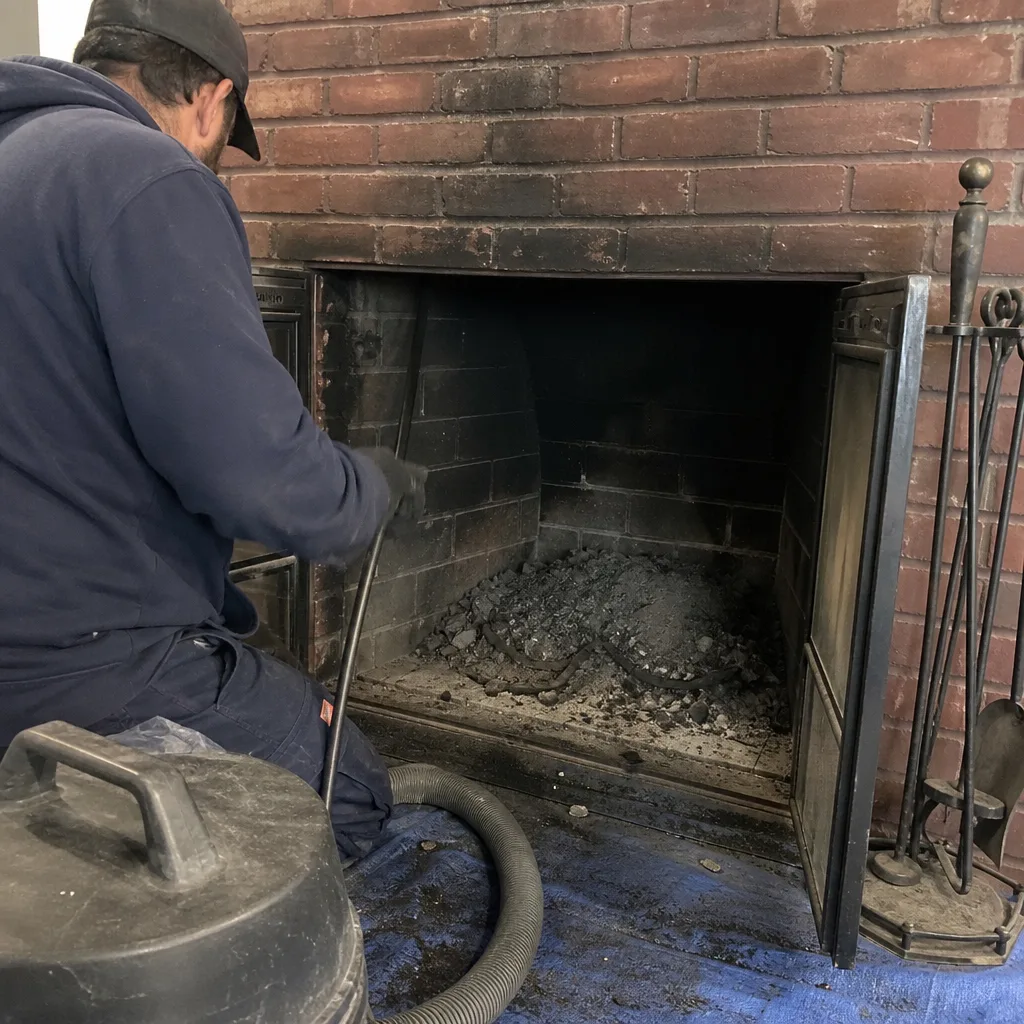 Before
 After
AfterChimney Cleaning Cost Breakdown: The Flushing Homeowner’s Reference for 2026
A $79 chimney cleaning in Flushing is real. We’ve seen the flyers on Main Street and the sponsored ads that follow homeowners around their phones. That price buys a technician with a brush, a shop vacuum, and a checklist with one box to tick. What it does not buy is a Level-2 camera inspection, documented photos of your flue lining, or a technician trained to recognize Stage 3 glazed creosote before it becomes a chimney fire. This guide is for the homeowner who wants to know what every line item actually pays for, how to spot the difference between a sweep and a surface cleaning, and what a fair, documented, no-surprise price looks like in writing. For Chimney Cleaning Warning Signs: A Flushing Homeowner’s Reference Guide, see our companion post.
Quick Answer
In Flushing, a legitimate chimney cleaning and inspection ranges from $175 to $325 for a standard wood-burning fireplace with Stage 1 or Stage 2 creosote buildup. The $79 advertised price typically covers only a basic brush-and-vacuum sweep with no camera inspection, no written report, and no documentation that your chimney is safe to use. A full-service sweep with Level-2 inspection, photo documentation, and a written safety verdict runs $250 to $400, depending on chimney height, accessibility, and the condition of your flue.
Table of Contents
- What the $79 Price Actually Buys
- Line-Item Breakdown: What a Full Chimney Sweep Costs
- Flushing-Specific Factors That Legitimately Raise the Price
- Creosote Stages and What They Cost to Remove
- How to Read an Estimate: Apples-to-Apples Comparison
- What a Fair, Documented Price Looks Like in Writing
- Common Mistakes to Avoid
- When to Call a Professional
- Frequently Asked Questions
What the $79 Price Actually Buys
The $79 chimney cleaning is a real service with a real business model. It is not a scam, but it is not what most homeowners think they are buying.
Here’s how it works. A technician arrives with a rotary brush, a vacuum, and a visual inspection from the fireplace opening or the roof. They run the brush through the flue, vacuum the smoke shelf and firebox, and hand you a receipt. The visit takes 30 to 45 minutes. If your chimney has no structural issues, no liner damage, and no significant creosote buildup, you have received a basic sweep. The problem is that you have no documentation proving any of those conditions were checked.
What the $79 price does not include:
- A camera inspection of the flue interior
- Photos of the flue lining, mortar joints, or smoke chamber
- A written condition report or safety verdict
- Measurement of creosote thickness or stage classification
- Documentation that would satisfy your homeowner’s insurance after a fire
- Any warranty or callback guarantee
In our experience across Queens, the upsell sequence typically begins after the sweep is underway. The technician finds “concerns” that were not visible during the initial visual check. The camera inspection, now offered as an add-on, runs $75 to $150. The “deep clean” for Stage 2 creosote adds another $100 to $200. By the end, the homeowner who budgeted $79 has spent $300 to $400 with no written estimate upfront and no guarantee in writing.
We do not offer a $79 sweep. Our chimney cleaning and sweep in Flushing includes the camera inspection, photo documentation, and written report as standard, not as extras. The price we quote is the price on the invoice. No surprises on the bill.
Line-Item Breakdown: What a Full Chimney Sweep Costs
A legitimate, documented chimney cleaning involves labor, equipment, travel, insurance, and the time to produce a record the homeowner can keep. We break this down in our Chimney Cleaning & Sweep Maintenance Checklist for Flushing Homeowners. Here is how the numbers break down for a typical Flushing home with one wood-burning fireplace and standard accessibility.
| Line Item | Typical Range | What It Covers |
|---|---|---|
| Base labor (sweep technician, 1.5-2.5 hours) | $95-$155 | Setup, protective coverings, brush and vacuum work, debris removal |
| Level-2 camera inspection | $65-$115 | Video scan of flue interior, smoke chamber, firebox, and accessible exterior |
| Photo documentation and written report | $35-$55 | Digital photos, condition assessment, plain-English verdict, safety recommendation |
| Equipment and materials | $25-$45 | Professional-grade brushes, rods, HEPA vacuum, camera system, protective gear |
| Travel and scheduling | $20-$35 | Route time, fuel, vehicle maintenance, scheduling coordination |
| Insurance and overhead | $30-$50 | General liability, workers compensation, licensing, ongoing training |
| Total typical range | $270-$455 | Complete sweep with inspection, documentation, and written guarantee |
The wide range reflects real variation. A single-story ranch in Fresh Meadows with a straight flue and Stage 1 creosote falls at the lower end. A three-story colonial in Broadway-Flushing with a steep roof pitch, offset flue, and Stage 2 buildup requires more time, more equipment, and more risk, and it lands at the higher end.
Companies that quote below $150 for this full scope are either absorbing losses to acquire repair leads, operating without proper insurance, or omitting steps they do not document. In 42 years, we have seen all three. The homeowner who understands the line items can ask the right questions before booking.
Flushing-Specific Factors That Legitimately Raise the Price
Chimney cleaning in Flushing is not the same as chimney cleaning in a rural county with detached homes and generous setbacks. The built environment here creates specific costs that honest contractors account for and that discount operators ignore until they arrive.
Chimney Height and Roofline Access
Many Flushing homes, particularly the pre-war brick colonials and the taller frame houses in neighborhoods like Broadway-Flushing and Waldheim, have chimneys that extend 25 to 35 feet above grade. A technician working at that height on a pitched roof requires fall protection, a second ground person for safety, and additional time for setup and breakdown. The standard two-hour job becomes three. That additional hour of labor and risk is a real cost, not an inflated one.
Row House and Shared-Wall Accessibility
In the row house sections near downtown Flushing and along Roosevelt Avenue, chimneys are often built against shared walls with limited roof access. A technician may need to enter a neighbor’s yard, work from a ladder positioned in a narrow alley, or use specialized equipment to reach the flue from inside. These conditions add 30 to 60 minutes and sometimes require a return visit with additional scaffolding or a chimney sweep platform. A flat-rate quote that does not account for access constraints will either be honored at a loss or renegotiated on site.
Local Climate and Burn Patterns
Flushing’s heating season runs from late October through April, with January and February seeing the heaviest fireplace use. The freeze-thaw cycles in Queens accelerate exterior mortar deterioration, and the humid summers promote interior condensation that mixes with soot to form acidic compounds. In our experience, Flushing chimneys inspected in spring after a heavy winter show more advanced creosote glazing than those in drier, colder upstate climates where fires burn hotter and faster. That environmental reality affects how often a chimney needs sweeping and how difficult the buildup is to remove.
Permit and Code Context
The New York City Building Code and FDNY regulations govern chimney construction, repair, and liner installation in Flushing. While routine chimney cleaning does not require a permit, any repair work triggered by an inspection - liner replacement, crown rebuilding, or flue tile replacement - must comply with current code. See Chimney Cleaning Permits, Codes & Inspections in NY: What You Need to Know for details. A contractor unfamiliar with NYC’s specific requirements may quote repair work that cannot pass inspection, leaving the homeowner to pay twice. Our technicians document code compliance as part of every inspection report.
Creosote Stages and What They Cost to Remove
Creosote is not a single substance. The National Fire Protection Association classifies it in three stages, and each stage requires different equipment, different time, and different risk. A contractor who quotes one price for all three is either uninformed or planning to add charges after arrival.
Stage 1: Sooty or Powdery Deposits
Stage 1 creosote looks like fine black dust or flaky soot. It brushes out easily with standard poly or wire brushes. Removal takes 30 to 45 minutes of active brushing. This is what a basic $79 sweep is equipped to handle, and for a chimney that burns only seasoned hardwood and is swept annually, it may be sufficient.
Typical additional cost over base sweep: $0 to $25
Stage 2: Crusty or Tar-Like Flakes
Stage 2 creosote has begun to harden into porous, crunchy flakes that adhere to flue tiles. It requires more aggressive mechanical action - chains, whips, or specialized rotary equipment - and generates more debris. The technician must work more slowly to avoid damaging the flue lining. In Flushing, where many homeowners burn a mix of hardwood and pressed logs, Stage 2 is common in chimneys swept every two to three years.
Typical additional cost over base sweep: $75 to $150
Stage 3: Glazed or Hardened Deposits
Stage 3 creosote is a glossy, rock-hard coating that is extremely combustible and extremely difficult to remove. It forms when wood burns at low temperatures, when unseasoned wood is used, or when a fireplace is regularly damped down overnight. Removing Stage 3 deposits requires chemical treatment to soften the glaze, followed by mechanical removal with specialized equipment. The process may take two to three hours and sometimes requires a return visit. Stage 3 creosote is a leading cause of chimney fires and should never be ignored.
Typical additional cost over base sweep: $200 to $400, sometimes with a follow-up visit
We classify creosote stage during every chimney cleaning and sweep in Flushing. The classification is noted in the written report with photos, and the homeowner sees the same images we see. If Stage 3 is present, we explain the removal process, the timeline, and the cost before any additional work begins. No surprises on the bill.
How to Read an Estimate: Apples-to-Apples Comparison
The hardest part of comparing chimney cleaning quotes is that contractors use the same words to mean different things. “Full service,” “complete sweep,” and “deep clean” have no legal definition. A homeowner who does not know what to look for in the scope language cannot compare prices accurately.
Here is what to demand in writing:
- Inspection method specified. “Visual inspection” means looking from the top and bottom. “Level-2 inspection” means camera scan of all accessible interior surfaces. If the estimate does not specify Level-2, you are not getting one.
- Documentation described. “Report” can mean a checkbox form or a detailed condition assessment with photos. Look for language like “digital photos provided” and “written safety verdict.”
- Creosote stage addressed. The estimate should state whether the quoted price assumes Stage 1, Stage 2, or Stage 3 buildup, and what the additional charge is if a higher stage is found.
- Access assumptions noted. Steep roof? Third story? Shared wall? The estimate should either specify standard access assumptions or include a site-visit clause.
- Guarantee language. “Satisfaction guaranteed” means nothing without specifics. Look for callback terms, time limits, and what triggers a return visit. Our Hearthstone Chimney Co. home page details our 90-Day Done Right Promise: in writing, no arguing.
- Exclusions listed. What is not included is as important as what is. Animal removal, debris above the damper, exterior masonry repair, and liner work are common exclusions that become upsells.
A vague estimate protects the contractor. A specific estimate protects the homeowner. If a company will not put the scope in writing before work begins, that is information worth having.
What a Fair, Documented Price Looks Like in Writing
The number on the estimate matters less than the structure behind it. A fair price is one that covers the actual work, includes documentation the homeowner can verify, and is backed by a guarantee that has real teeth.
Here is what we provide with every sweep:
- A written estimate before any work begins, with line-item scope and exclusions
- Level-2 camera inspection with digital photos of the flue interior, smoke chamber, and firebox
- Creosote stage classification with explanation
- Plain-English verdict on chimney safety and readiness for use
- Recommendation timeline for next service
- 90-Day Done Right Promise in writing: if it is not right, we come back, no paperwork, no arguing
The guarantee matters as much as the price. A low quote with no callback protection is a bet that nothing will go wrong. In 42 years of sweeping chimneys in Queens, we have learned that things do go wrong - a missed crack in a flue tile, a damper that does not seal after cleaning, a smell that persists because debris was left in the smoke shelf. The company that stands behind its work does not fear a return visit. We have been in Flushing long enough that our reputation depends on it.
Our pricing reflects this structure. The $89 Seasonal Tune-Up we offer is a maintenance-level service for chimneys in good condition, not a stripped-down entry price designed to create repair leads. The $50 Off Any Repair Over $250 applies to documented needs found during inspection, not to problems invented on the spot. And our permanent 5% Senior and Veteran discount applies to all services, because a square deal is a square deal.
Common Mistakes to Avoid
- Booking on price alone without checking what is included. The homeowner who compares $79 to $250 without reading scope is comparing a car wash to a tune-up. Ask specifically about camera inspection, photo documentation, and written report.
- Assuming annual sweeping is unnecessary because the fireplace “looks clean.” Creosote builds in the flue interior, not the firebox. A clean firebox and a dangerous flue are entirely compatible conditions. In Flushing’s humid climate, we see chimneys with clean-looking fireboxes and Stage 2 buildup hidden above the damper.
- Accepting verbal estimates for repair work triggered by inspection. If a sweep finds liner damage or crown deterioration, demand a second written estimate for the repair with photos of the damage. Our Free Second Opinion on any written estimate exists because homeowners deserve to verify major repair recommendations.
- Ignoring chimney height and access in quoted prices. A flat rate that does not account for a three-story climb or a narrow alley between row houses will either be honored grudgingly or revised upward on arrival. Ask how access affects pricing before booking.
- Skipping the sweep because “we barely use the fireplace.” Even occasional use produces creosote, and an unused chimney can become a pathway for carbon monoxide, a nesting site for animals, or a moisture trap that deteriorates the flue lining. Annual inspection is the NFPA recommendation regardless of use frequency.
- Trusting “full service” or “deep clean” without definition. These terms have no regulatory meaning. A contractor using them without specifics is either careless or deliberately vague. Demand the checklist.
- Not asking about the technician. Background-checked, uniformed technicians who complete most jobs in a single visit are not universal. The homeowner who opens the door to an unmarked vehicle and an unidentified worker has already lost control of the situation.
When to Call a Professional
Call for a professional chimney inspection and cleaning if you have not had service in the past 12 months, if you notice a tar-like odor from the fireplace, if smoke enters the room during use, or if you see black debris falling into the firebox. These are not emergencies in most cases, but they are signals that the chimney is not functioning safely.
Call promptly if you experience a chimney fire - a loud roaring or rushing sound from the flue, dense smoke, or flames visible at the chimney top. Even a small chimney fire can crack flue tiles and create pathways for fire or carbon monoxide to enter the home. Do not use the fireplace until a Level-2 inspection has confirmed the flue is intact.
Hearthstone Chimney Co. offers free estimates in Flushing. A live person answers every call, 24 hours a day, 7 days a week. Call (516) 206-6672 to schedule, or visit our chimney cleaning and sweep in Flushing page to learn more about our process.
Frequently Asked Questions
A legitimate chimney sweep with Level-2 camera inspection and written documentation ranges from $175 to $325 for standard conditions in Flushing. Prices at the higher end typically reflect taller chimneys, difficult access on row houses or multi-story homes, or Stage 2 creosote removal. The $79 advertised price covers only a basic brush-and-vacuum sweep with no inspection documentation. Call (516) 206-6672 for an exact quote - estimates are free.
You need a new liner if the existing one is cracked, deteriorated, or improperly sized for your heating appliance - and only a camera inspection can confirm this. We have seen Flushing homeowners quoted $3,000 for liner replacement based on a visual guess from the roof. Our policy: no liner work is recommended without photo evidence you can see yourself, and we will plainly tell you when a condition can be monitored rather than replaced immediately. Call (516) 206-6672 for a documented second opinion.
The National Fire Protection Association recommends annual inspection, with cleaning frequency determined by creosote accumulation. In Flushing’s climate, where humid summers and extended heating seasons create conditions for accelerated buildup, most wood-burning fireplaces need sweeping every year or every cord of wood burned. Gas fireplaces need less frequent cleaning but still require annual inspection for venting integrity and debris blockages.
Skipped cleaning leads to creosote accumulation, which increases chimney fire risk and can obstruct proper venting. Carbon monoxide, produced by any fuel-burning appliance, can back up into living spaces if the flue is blocked or damaged. In Flushing’s older housing stock, we also see moisture damage to flue liners and masonry accelerated by deferred maintenance. The cost of prevention is a fraction of the cost of remediation after a fire or CO incident.
Price variation reflects real differences in scope, insurance, equipment, and business model. A solo operator with no camera equipment and no general liability insurance can charge less than a company that carries proper coverage, trains technicians, and documents every inspection. The $79 operator is often building a lead list for repair upsells. The $300 operator is covering the actual cost of thorough, guaranteed work. The homeowner’s job is to determine which business model serves their interests.
Our standard sweep includes the brush-and-vacuum cleaning, Level-2 camera inspection with digital photos, creosote stage classification, written condition report with plain-English verdict, and our 90-Day Done Right Promise in writing. Background-checked, uniformed technicians complete most jobs in a single visit. We use professional-grade materials from trusted brands including Olympia Chimney, DuraFlex, and Copperfield. No-hassle upfront pricing means the number on the estimate is the number on the invoice.
The Bottom Line
Chimney cleaning prices in Flushing are not mysterious. The $79 sweep and the $325 sweep are different services with different scopes, different risks, and different outcomes for the homeowner. The question is not which price is “fair” in the abstract, but which service gives you documented proof that your chimney is safe to use, backed by a guarantee that means something if it is not.
We have swept chimneys in Queens for over 42 years. We have seen the damage done by cut-rate sweeps who missed cracked flue tiles, by high-pressure operators who invented repair needs, and by well-meaning homeowners who simply did not know what questions to ask. This guide is our attempt to change that last part. Explore more guides & resources on our blog. A square deal starts with clear information. Done right - and we stand behind it.
Written by Russell Haines, Owner at Hearthstone Chimney Co., serving Flushing since 2014.