
Level 1 sweep and inspection to the NFPA 211 annual standard - flue, crown, cap, and flashing checked and photographed
Chimney sweep logs do not sweep chimneys. They loosen some creosote - which then falls where a brush and vacuum still have to collect it.
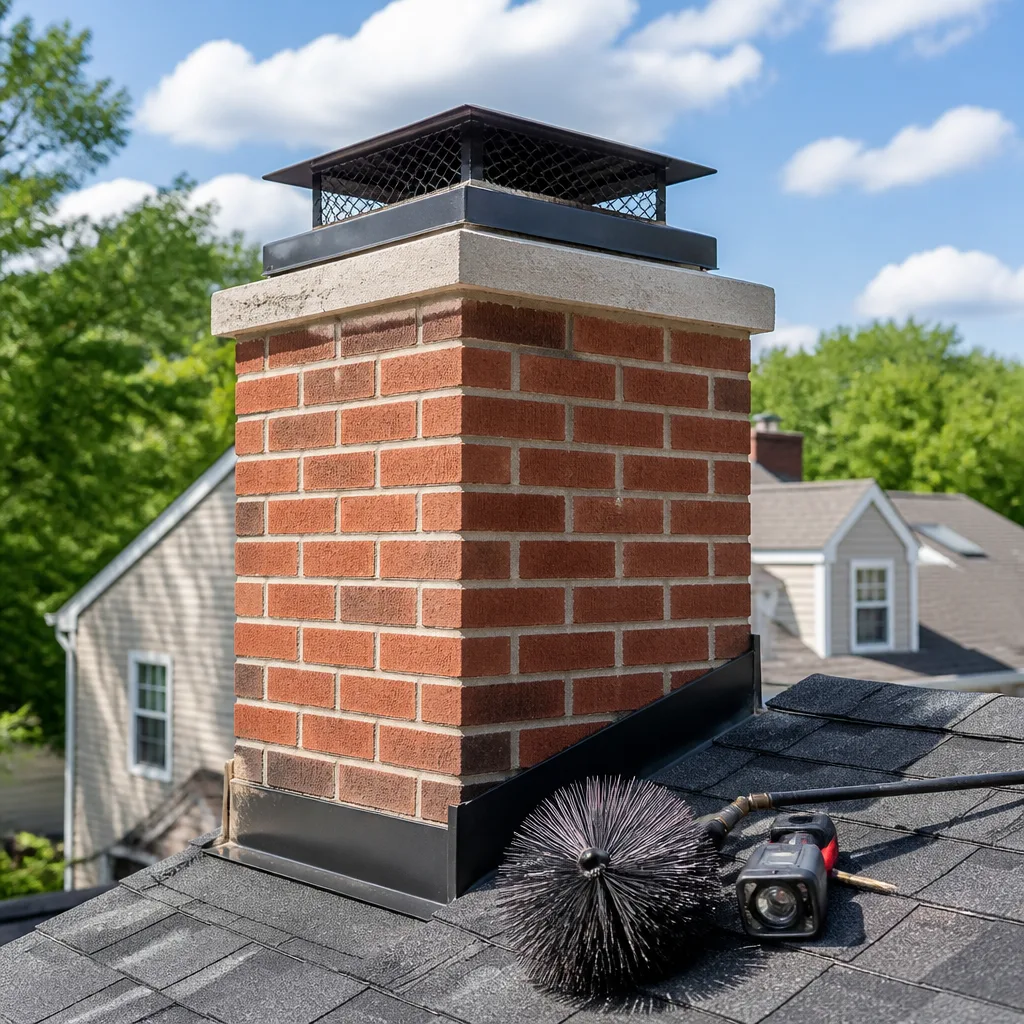
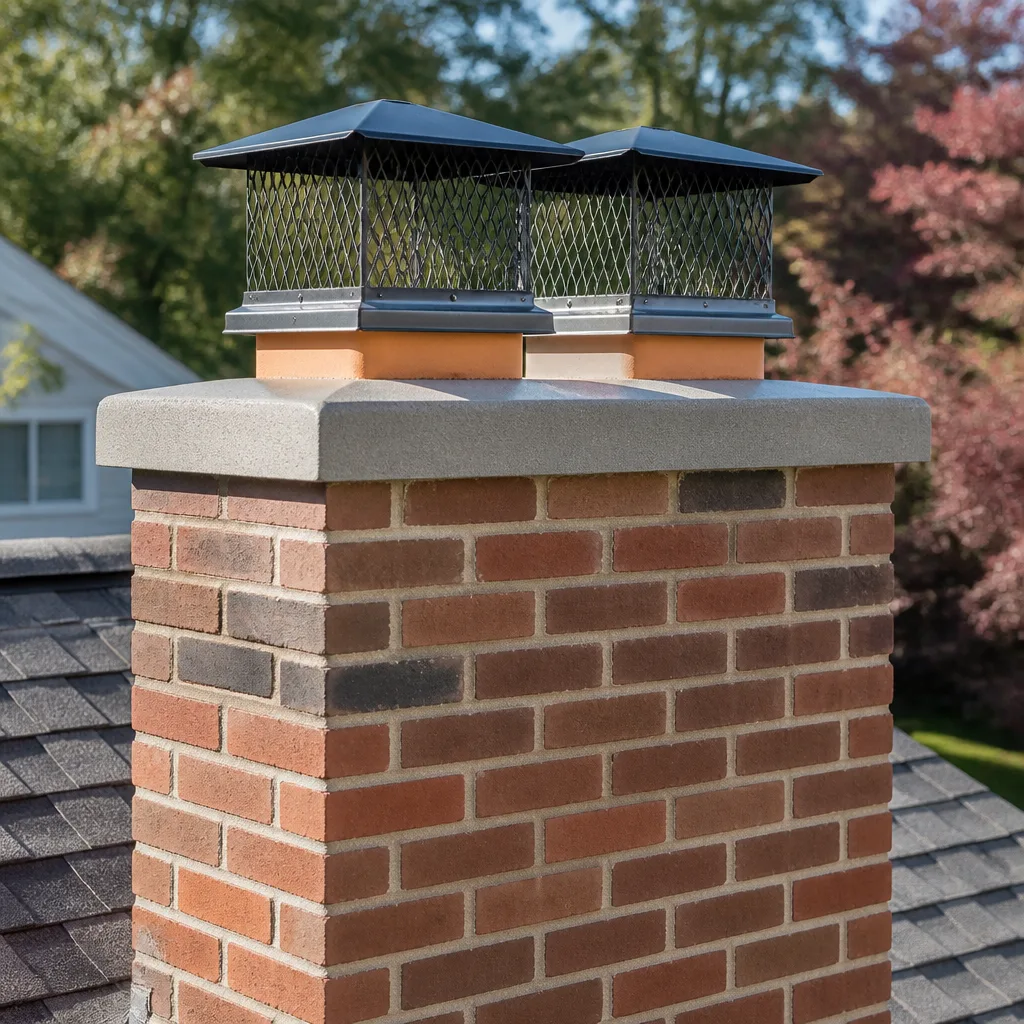
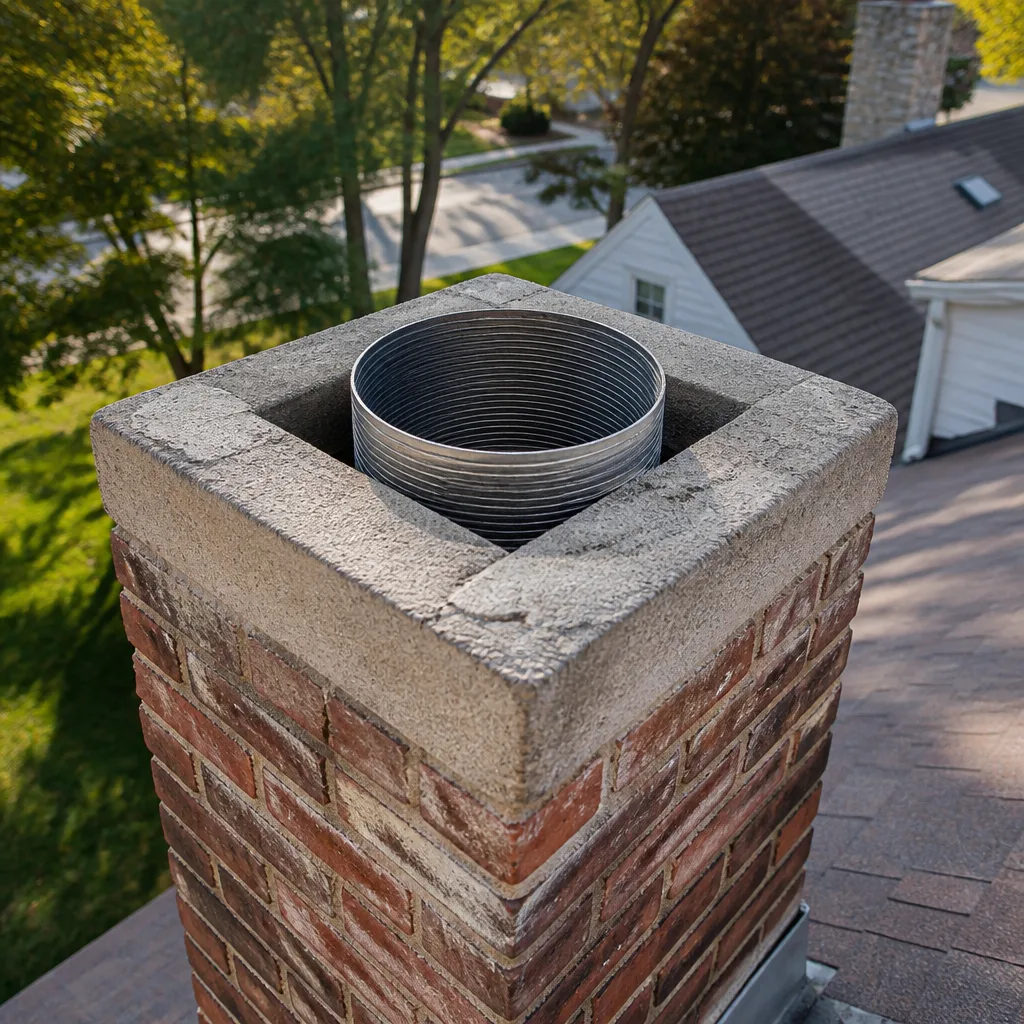
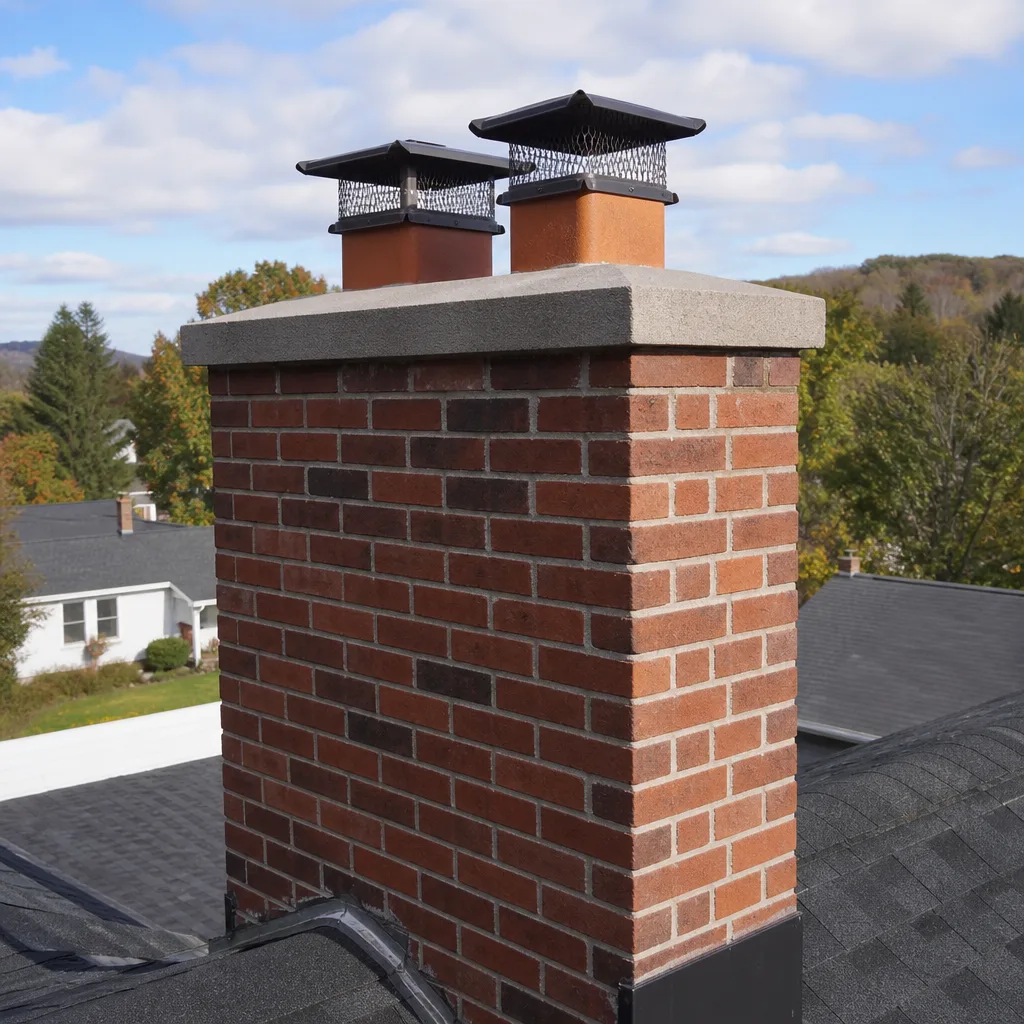
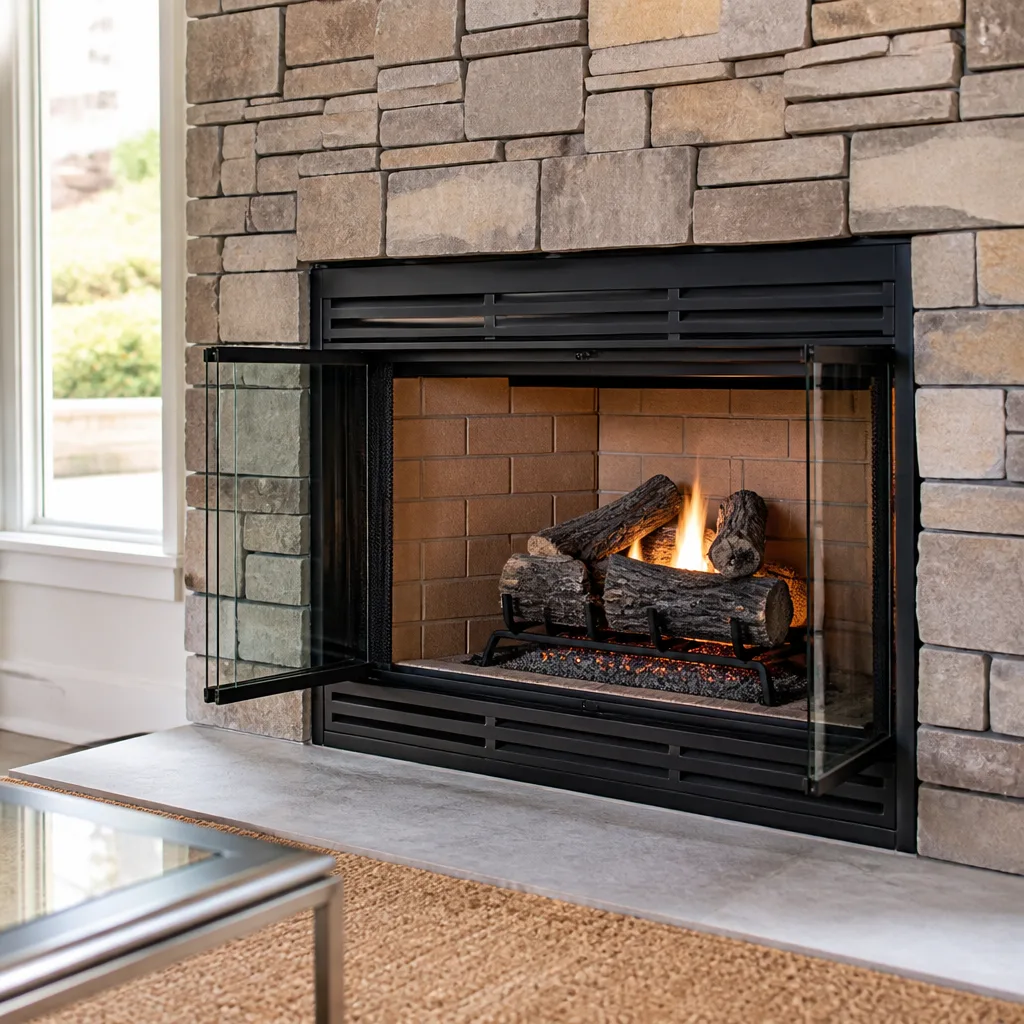
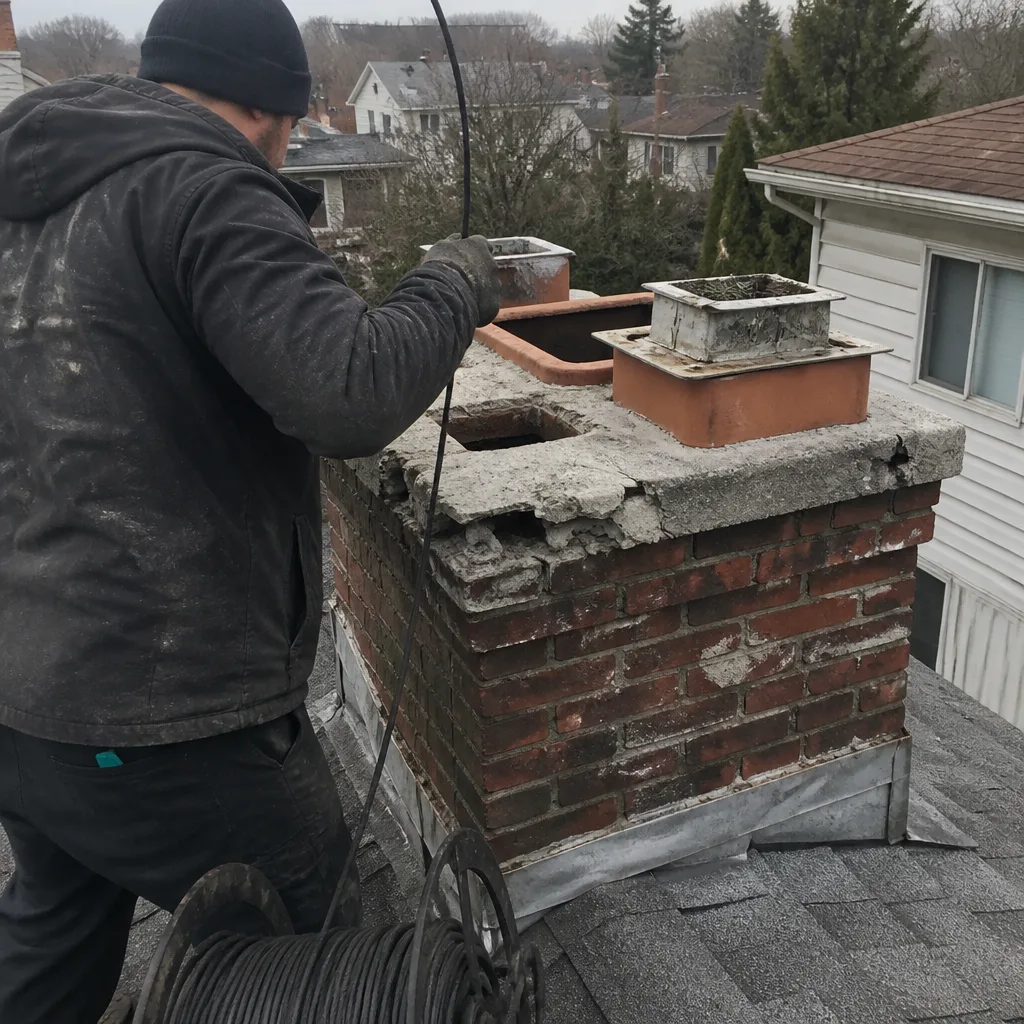 Before
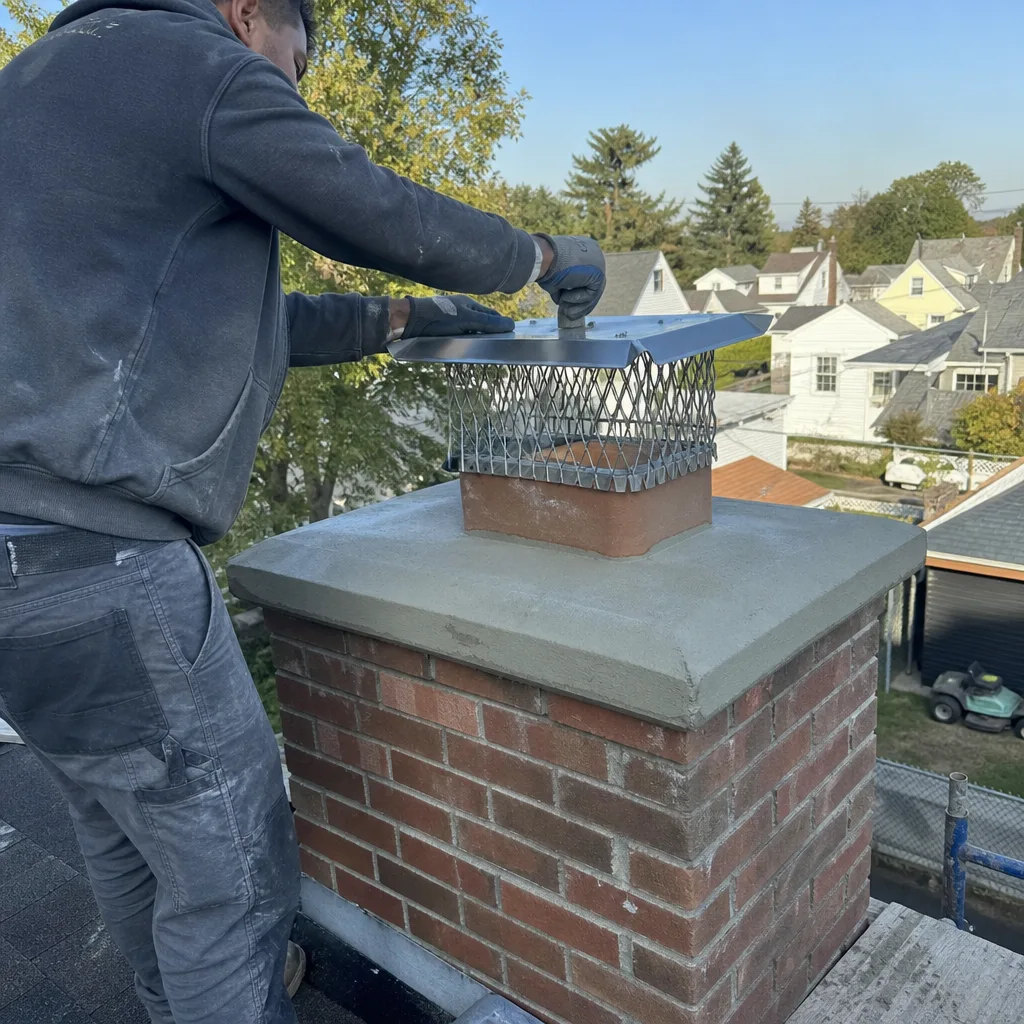 After
After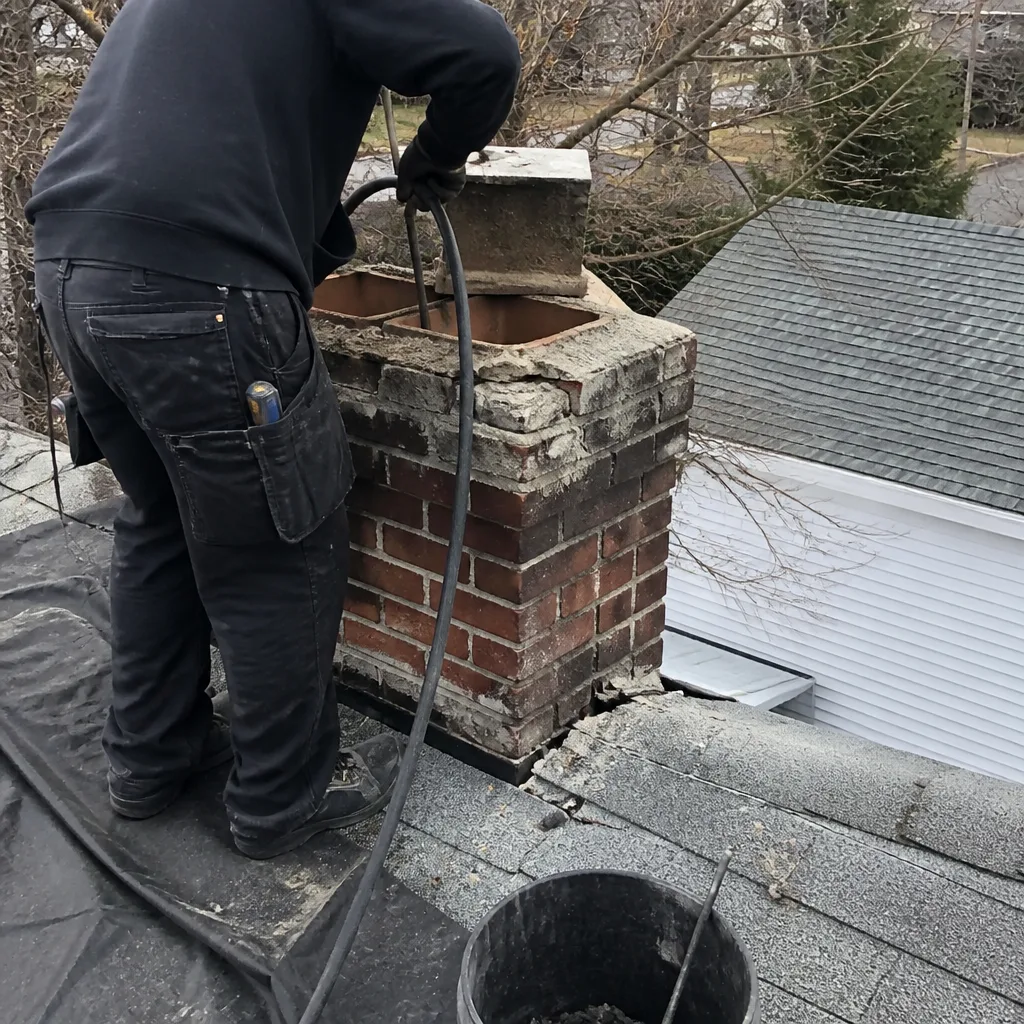 Before
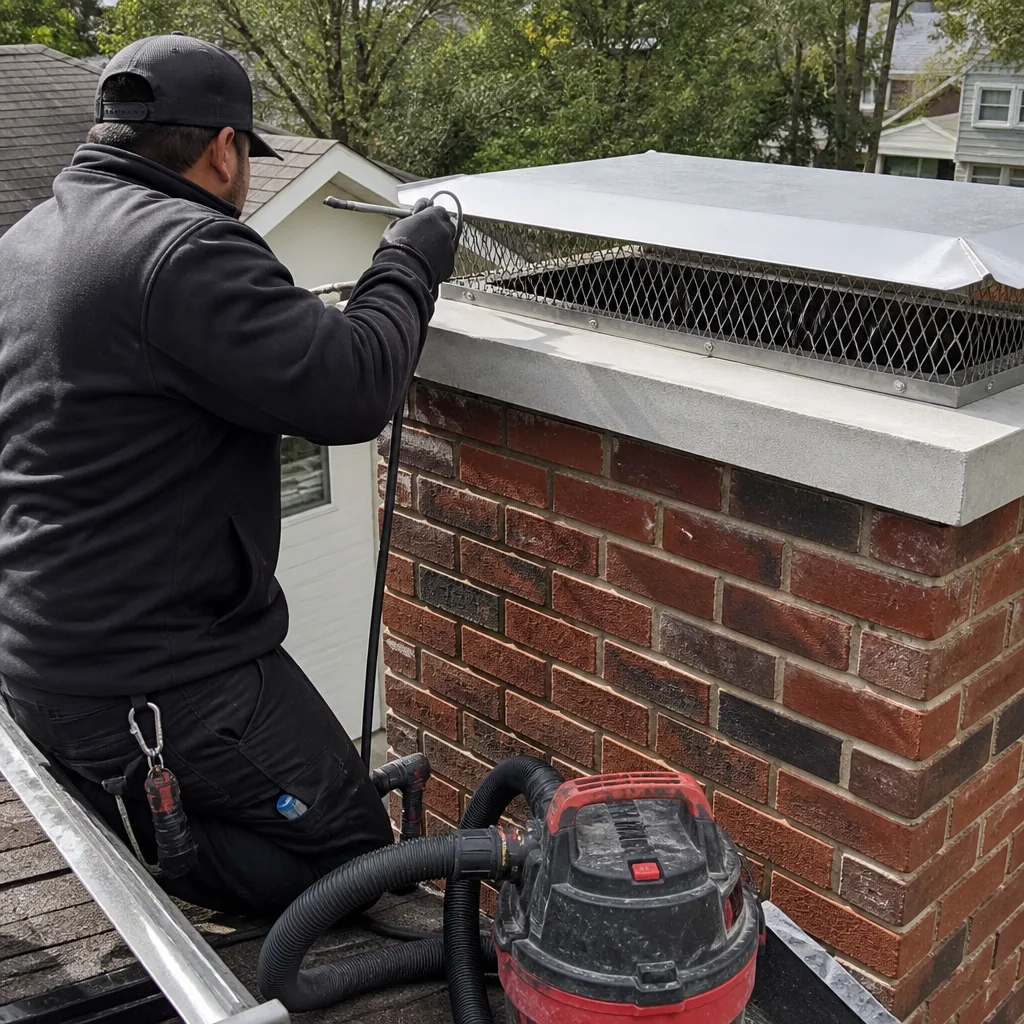 After
After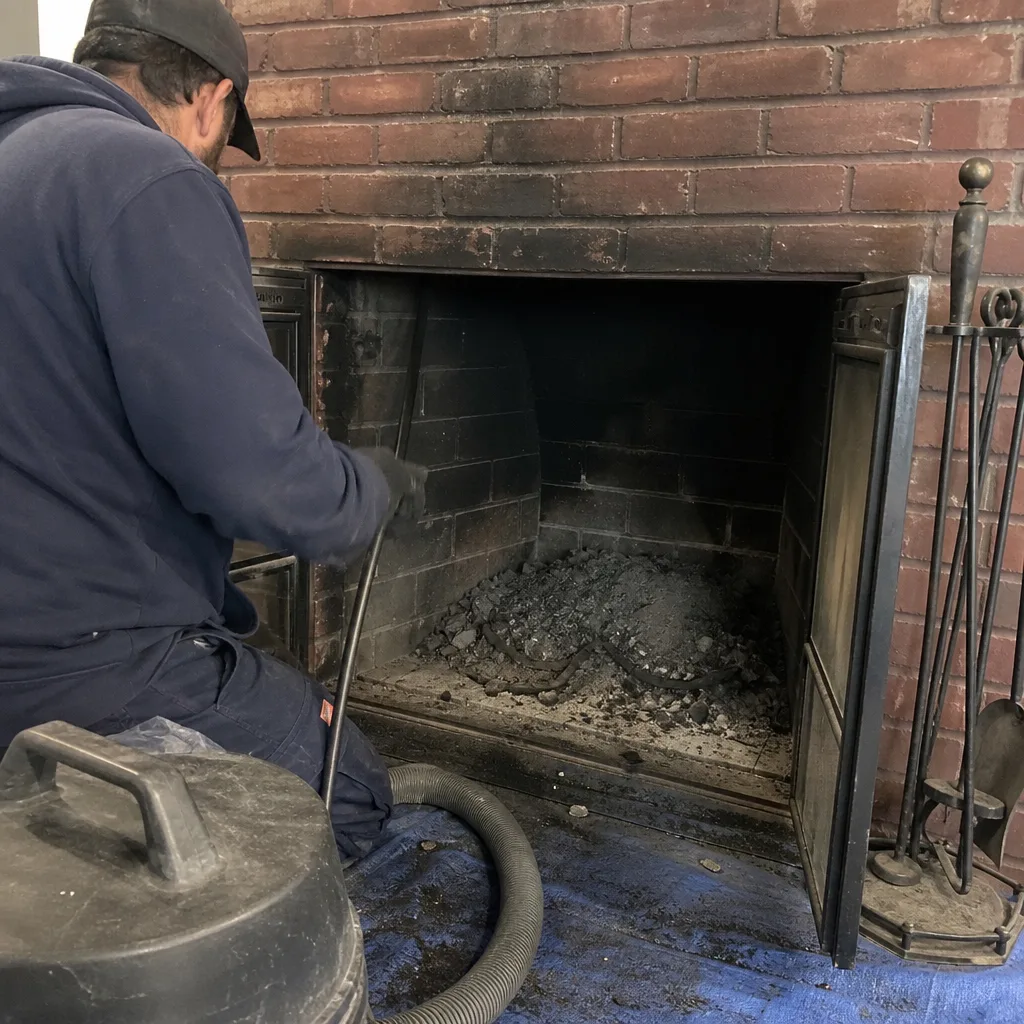 Before
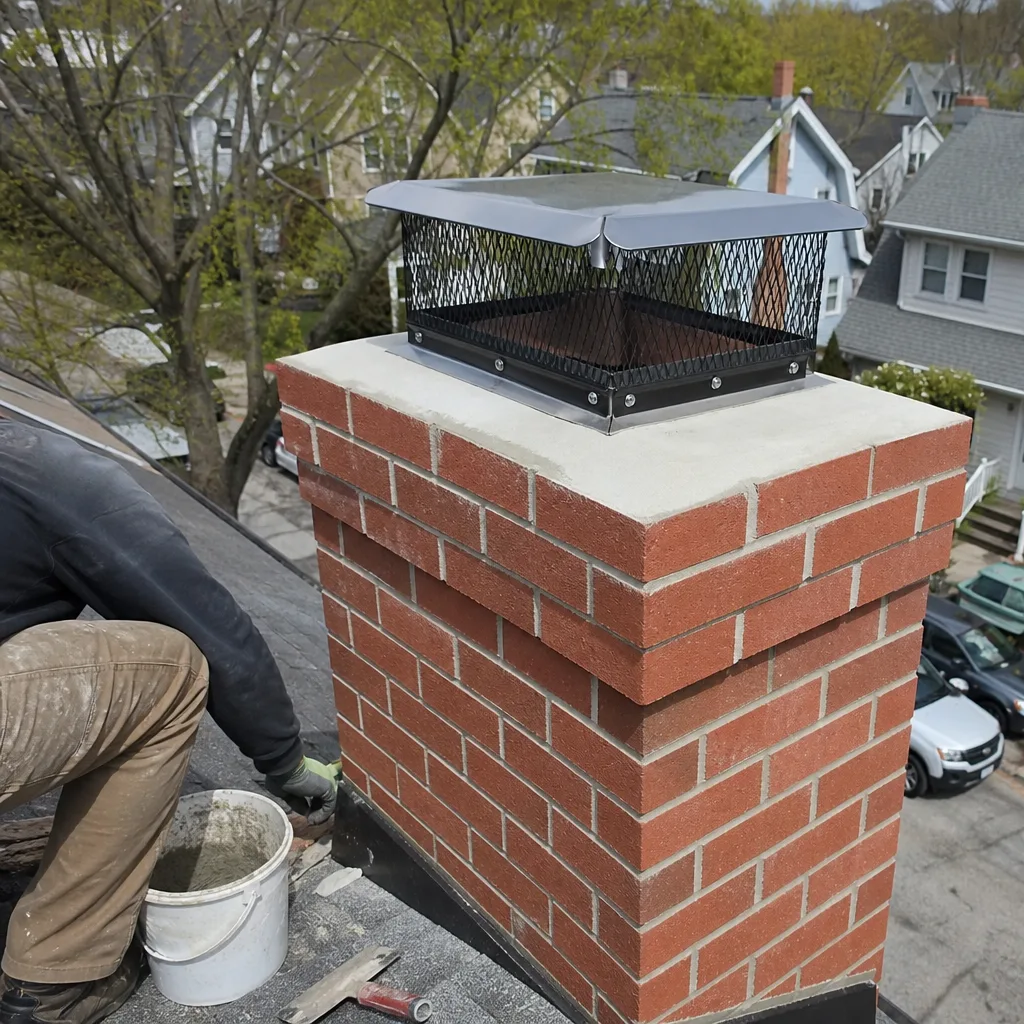 After
AfterSoot Removal in Flushing, NY
How Much Does Chimney Cleaning & Sweep Cost? (2026 Price Guide) - Flushing, NY: typically between $150 and $400, depending on how much accumulation is present and how accessible the flue is. Most jobs are completed in a single visit, and the chimney is safe to use the same day. If you’re seeing black staining around the firebox, a persistent smoky smell, or a technician has flagged heavy buildup during an inspection, that’s the signal to act.
At Hearthstone Chimney Co., soot removal is part of the core work we’ve done since 1984. Russell Haines built this company on the idea that a chimney job either gets done right or it gets done again on our dime – and that standard applies to every soot cleaning we do in Flushing and the surrounding neighborhoods. You can reach us anytime at (516) 206-6672 – a live person answers, every hour of every day.
Soot is not the same as creosote, and the distinction matters. Soot is the soft, powdery carbon residue that forms when wood or gas doesn’t burn completely. It coats flue walls, smoke shelves, and fireboxes, and in sufficient quantity it restricts airflow, contributes to chimney odors that seep into living spaces, and provides the dry fuel that allows a chimney fire to take hold. Our Chimney Cleaning & Sweep in Flushing service addresses all grades of buildup, from light annual soot to the hardened third-degree creosote deposits that require chemical treatment before brushing.
Flushing presents a specific set of chimney conditions worth knowing about. The neighborhood sits in a part of Queens where a meaningful share of homes were built between the 1920s and the 1960s – brick rowhouses, semi-detached colonials, and Cape Cods with original masonry chimneys that have seen decades of use. Older flues in these homes often have uneven liner surfaces, deteriorated mortar joints, and offset angles that collect soot faster than a straight, smooth-walled modern liner. Winter winds off Flushing Bay can also create negative draft pressure that pushes combustion byproducts back down into the firebox rather than drawing them up and out – which means soot accumulates lower in the flue than you’d expect. We account for all of that before we pick up a brush.
When You Need Soot Removal
Some of these signs are obvious. Some are easy to miss until the problem is well established. If any of the following match what you’re dealing with in your Flushing home, a soot cleaning is overdue.
- Black or gray staining around the firebox opening. When soot builds up on the smoke shelf and upper firebox walls, small amounts can fall or drift forward during use and leave visible marks on the facing. In Flushing rowhouses with shallow fireboxes, this happens earlier than homeowners expect.
- A persistent smoky or musty odor in the room. Soot holds moisture and releases a distinctive smell, particularly in humid summer months. Flushing summers are humid enough that a chimney with moderate soot accumulation can start to smell like a campfire long before you’ve lit the first fall fire.
- Reduced draw or smoke backing into the room during use. A partially blocked flue makes itself known quickly. If your fireplace smoked cleanly last season and now it doesn’t, soot buildup is one of the first things to rule out.
- More than one year since the last cleaning. The National Fire Protection Association (NFPA 211) recommends annual inspection and cleaning for any chimney in regular use. A Flushing home burning wood from October through March – a realistic usage window here – should be cleaned every season.
- A technician has noted accumulation of 1/8 inch or more during inspection. That’s the threshold at which soot and creosote pose a meaningful fire risk. If a prior inspection flagged this and the work wasn’t done, it needs to happen before the fireplace is used again.
- You’ve recently moved into an older Flushing home and the chimney history is unknown. We see this regularly in the Kew Gardens Hills and Auburndale areas, where homes change hands and buyers assume the chimney was maintained. Assuming is the wrong approach. An inspection with soot removal gives you a verified baseline.
Our Soot Removal Process
We don’t arrive with a brush and hope for the best. The process is methodical because the goal isn’t just a clean flue – it’s a documented, verified clean flue that we’re willing to back in writing.
- Drop cloths and containment setup. Before anything else, we protect the fireplace surround, hearth, and the room itself. We use professional-grade vacuum containment equipment to capture airborne soot particulate – the kind of fine carbon dust that settles on furniture and upholstery if the job isn’t set up correctly. In Flushing homes with hardwood floors and older plaster walls, containment isn’t optional.
- Visual inspection of the firebox, smoke shelf, and damper. We look at what we’re dealing with before we start removing it. The smoke shelf – that horizontal ledge just above the firebox – is one of the largest collection points for soot and debris, and it’s the area most often skipped by operators who are moving fast. We check it every time.
- Level-2 camera inspection of the flue (included on first visits and flagged cases). Our camera runs the full length of the flue and records what it finds. Soot alone is rarely the whole story in a 60-year-old Flushing chimney – there are often cracked tiles, deteriorated mortar joints, or liner offsets that affect how we clean and what we recommend. The homeowner sees the same photos we see, and the verdict comes in plain English, not chimney jargon.
- Top-down brush cleaning of the flue. We work from the crown down, using chimney brushes sized to the exact flue dimensions. For masonry flues common in Flushing’s older housing stock, that means round or square wire brushes matched to the liner. For lined flues using a DuraFlex or Olympia Chimney system, we use brushes appropriate to the liner material so we don’t score or damage the surface.
- Vacuum extraction and smoke shelf clearing. Once the flue is brushed, the loosened soot needs to come out – not just fall into the firebox. We use industrial HEPA-filtered vacuum equipment at the firebox opening while a second technician works the brush from the roof, so the particulate is captured rather than redistributed. The smoke shelf is cleared separately by hand.
- Final verification and plain-English verdict. We do a second visual pass on the firebox and damper, confirm draft is unrestricted, and provide a written summary of the job – what we found, what we removed, and what (if anything) we recommend for the next visit. You get a copy. No fine print, no upsell pressure, just the facts about your chimney.
Soot Removal Pricing in Flushing
Soot removal in Flushing costs between $150 and $400 for most residential jobs. The range is wide because the variables are real – flue height, degree of accumulation, liner condition, and access all affect how long the job takes. Here’s how the numbers typically break down:
| Service | Typical Range |
|---|---|
| Standard soot removal (single-story flue, moderate buildup) | $150 – $220 |
| Soot removal with Level-2 camera inspection | $220 – $320 |
| Heavy accumulation or two-story flue | $280 – $400 |
| Smoke shelf clearing (add-on) | $40 – $75 |
| Chemical pre-treatment (third-degree deposits) | $75 – $150 additional |
These are Flushing-market ranges based on real jobs, not promotional floor prices designed to get a foot in the door. The number on the estimate is the number on the invoice – no surprises when we’re done.
A few things that affect where your job lands on that range: flue height matters because longer flues require more passes and more time at height. Older Flushing homes with full masonry chimneys that pass through two floors before exiting at the roofline take longer than a single-story colonial. Accumulation depth matters too – a fireplace used twice a week through a cold winter builds more soot than one used occasionally. And if the flue hasn’t been cleaned in several years, there’s a reasonable chance some of that buildup has hardened into first- or second-degree creosote, which requires different tools and more time to address.
If you qualify for our Senior or Veteran discount – a permanent 5% off any service – mention it when you call and we apply it without any additional paperwork. We also have an $89 Seasonal Tune-Up that covers a standard sweep and inspection, which is a practical option if your soot situation is moderate and you’re due for a seasonal checkup. And if you’ve received a written estimate from another company, our Free Second Opinion offer stands.
Call (516) 206-6672 for a free estimate. We’ll give you a straight number, not a range designed to be revised upward once we’re already at your house.
FAQs – Soot Removal
Is soot removal the same as a chimney sweep?
Soot removal is part of our Chimney Cleaning & Sweep services, but they’re not identical. A full sweep addresses soot, light creosote, debris, and animal nesting material throughout the flue and firebox. Soot removal as a targeted service focuses specifically on carbon deposits – it’s the right call when soot is the confirmed issue and the rest of the flue is in reasonable condition. When we arrive, we assess what’s actually present and give you a straight answer about which scope of work applies. Call us at (516) 206-6672 for a free estimate and we’ll tell you exactly what your chimney needs.
How often should a Flushing homeowner have soot removed?
An Annual Sweep is the minimum for any chimney in regular use – that’s the NFPA 211 standard, and it’s the right answer for Flushing homes that burn wood through a typical October-to-March season. If you’re burning more frequently, or if you’re using unseasoned wood (which produces more soot per fire), cleaning twice a season isn’t excessive. Older masonry flues common in Flushing’s housing stock accumulate soot faster than newer lined chimneys because the surface is less smooth and draft is sometimes less consistent. When in doubt, an annual inspection tells you where you stand.
Can I remove soot from my fireplace myself?
The firebox face and the visible lower portion of the firebox can be cleaned with appropriate chimney cleaning logs and a stiff brush as basic maintenance. But the flue itself – the vertical column running through the chimney – requires professional equipment to clean safely and completely. Attempting to brush a flue without containment equipment redistributes fine soot particulate through the room and into HVAC systems. More importantly, self-cleaning removes the inspection step: a professional visit catches cracks, liner damage, and early creosote before they become a fire or carbon monoxide hazard. The cleaning is almost secondary to what we find while we’re doing it.
What’s the difference between soot and creosote, and does it matter for the price?
Soot is soft, powdery, and relatively straightforward to remove with brushing and vacuum extraction. Creosote is a harder, more chemically complex deposit that forms when wood smoke condenses in a cool flue – it comes in three degrees, ranging from flaky and brushable (first degree) to tar-like and nearly impervious to brushing alone (third degree). Third-degree creosote requires chemical pre-treatment before mechanical removal and adds cost to the job. It also matters for safety: creosote burns at temperatures exceeding 2,000 degrees Fahrenheit and is the primary fuel in chimney fires. If we find creosote during a soot removal job in your Flushing home, we’ll tell you exactly what degree it is and what addressing it costs – before we proceed. Call (516) 206-6672 and we’ll walk you through it.
Why Flushing Homeowners Call Hearthstone
Russell Haines started Hearthstone Chimney Co. in 1984, and the company has been doing this work in Flushing and across Queens for over 42 years. That’s long enough to have cleaned chimneys in homes that have since passed to a second generation of owners. It’s long enough to know which streets in Murray Hill and Auburndale have the offset flues that collect soot in the lower third, and which older colonials near Kissena Park have masonry chimneys with deteriorated tiles that need more than a brush.
Every job is backed by the 90-Day Done Right Promise: if the work isn’t right, we come back and make it right, in writing, without arguing about it. That’s not marketing language – it’s a commitment that has been part of how we operate since the beginning, governed by the K.E.Y.S. values: Krafted right, Every time, Your home first, Standing behind it.
The technicians who come to your Flushing home are background-checked, arrive in uniform, and carry professional-grade materials. We work with Olympia Chimney and Gelco components where liner work is part of the job, because the materials we use have to hold up as long as the work itself.
You can read more about the full scope of what we do on our home page, and for context on how soot removal fits into a broader maintenance plan, our Chimney Cleaning & Sweep in Flushing page covers the complete picture.
To find Chimney Cleaning & Sweep Near Me in Flushing, NY and schedule a soot removal or get a free estimate, call (516) 206-6672. A live person picks up – not a voicemail, not a callback queue. Tell us what you’re seeing, and we’ll tell you what it’s likely to take.
Key Takeaways
- Soot removal in Flushing typically costs $150 to $400 depending on flue height, accumulation, and whether a camera inspection is included.
- Most jobs are completed in a single visit, with the chimney safe to use the same day.
- Older Flushing homes – particularly rowhouses and colonials built before 1970 – accumulate soot faster due to uneven liner surfaces and variable draft conditions.
- Annual cleaning is the minimum for any chimney in regular seasonal use.
- Every job includes a plain-English verdict and is backed by the 90-Day Done Right Promise in writing.
- Senior and Veteran discount (5% off) and a Free Second Opinion on written estimates are standing offers.
- Call (516) 206-6672 – a live person answers around the clock.
Written by Russell Haines, Owner at Hearthstone Chimney Co., serving Flushing since 1984.